Why Repair Documentation Matters at a Tesla-Certified Body Shop
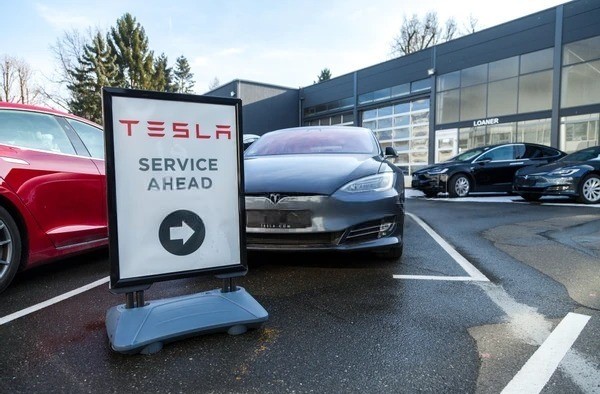
When your Tesla gets damaged in an accident, the repair itself is only part of the story. What happens on paper matters just as much as what happens in the shop. Every part replaced, every panel repaired, and every calibration performed should be recorded clearly. This record is called repair documentation, and it plays a bigger role in your car's safety, value, and warranty than most owners realize.
What Is a Tesla-Certified Body Shop
A Tesla-certified body shop is a repair facility that has met Tesla's strict standards for tools, training, and repair procedures. These shops use Tesla-approved parts and follow factory repair guidelines, which means the documentation they produce is trusted by insurance companies, future buyers, and Tesla itself. Choosing a certified shop is the first step toward getting repair paperwork that actually holds up when it matters.
What Repair Documentation Actually Means
Repair documentation is simply a written and photographic record of everything done to your car. This includes:
• Photos of the damage before repairs begin
• A list of parts removed and replaced
• Structural measurements and alignment reports
• Battery and electrical system checks
• Calibration records for cameras and sensors
• Final quality inspection notes
Without this paper trail, there is no proof that the repair was done correctly, or even done at all in some cases.
Why It Matters for Safety
Tesla vehicles rely heavily on sensors, cameras, and precise structural engineering. A single misaligned panel or an uncalibrated camera can affect how well safety features like automatic braking or lane keeping work. Documentation ensures that every safety-related step, such as sensor calibration, is confirmed and recorded rather than assumed. If something goes wrong later, this record helps identify exactly what was done and whether it was done properly.
Why It Matters for Insurance and Resale Value
Insurance companies often ask for detailed repair records before approving claims or renewing policies. Clear documentation speeds up this process and prevents disputes over what was repaired. It also protects you financially, since incomplete records can lead to denied claims.
Resale value is affected too. Buyers and dealerships often check a vehicle's repair history. A car with organized, professional documentation from a certified shop looks far more trustworthy than one with vague receipts or no records at all. This transparency can directly influence how much a buyer is willing to pay.
The Link Between Documentation and Warranty Protection
Many Tesla owners don't realize that the shop they choose after an accident can affect their warranty coverage. Repairs done without proper documentation, or with non-approved parts, can create problems if you ever need to make a warranty claim later. If you are unsure how this works, it is worth reading a detailed breakdown on whether choosing a repair shop outside Tesla's certified network could put your warranty at risk. Understanding this connection before an accident happens can save you from costly surprises down the road.
Proper documentation acts as proof that repairs followed Tesla's guidelines, which keeps your warranty intact and gives you peace of mind.
What to Expect at a Tesla-Certified Body Shop
When you bring your car to a certified facility, the process is usually more structured than a standard body shop visit. You can expect:
- A detailed damage assessment with photos
- A written repair plan explaining parts and procedures
- Regular updates as work progresses
- Post-repair calibration and safety checks
- A final report you can keep for insurance, resale, or warranty purposes
This structured approach removes guesswork and gives you a clear record of your car's condition before and after the repair.
How to Keep Your Own Records
Even at a certified shop, it helps to stay organized on your end. Keep copies of every invoice, inspection report, and photo the shop provides. Store them digitally so they are easy to find later. If you ever sell the car, file an insurance claim, or need warranty service, having these records ready will save time and reduce stress.
Conclusion
Repair documentation is not just paperwork. It is proof that your Tesla was repaired the right way, using the right parts and the right procedures. Choosing a Tesla-approved collision center ensures that this documentation is thorough, accurate, and recognized by insurers, buyers, and Tesla alike. The next time your vehicle needs bodywork, remember that good records today can protect your safety, your finances, and your car's value tomorrow.
Frequently Asked Questions
Q1. What happens if my Tesla repair has no documentation?
Without documentation, it becomes difficult to prove what work was done. This can affect insurance claims, resale value, and warranty coverage.
Q2. Do I need to request repair documentation myself?
Most certified shops provide it automatically, but it is always a good idea to ask for a copy of every report and receipt.
Q3. Can incomplete repair records affect my Tesla's warranty?
Yes. If repairs were not documented properly or done with unapproved parts, Tesla may question the claim during warranty service.
Q4. How long should I keep my repair documentation?
It is best to keep these records for as long as you own the vehicle, and even hand them over to the next owner if you sell it.
Q5. Is documentation only important after a major accident?
No. Even minor repairs should be documented, since small issues can affect calibration, safety features, or future claims.