The Science of Baking: Decoding the Chemistry of Your Kitchen
Baking is often called a science, and for good reason. Unlike cooking, where you can "pinch" and "dash" your way to a tasty dinner, baking is a precise exercise in chemistry.
Whether you are crafting a rustic loaf of sourdough or a delicate tray of puff pastry, understanding the reactions occurring in your oven is the secret to consistent success.
The Foundation: Flour and Protein
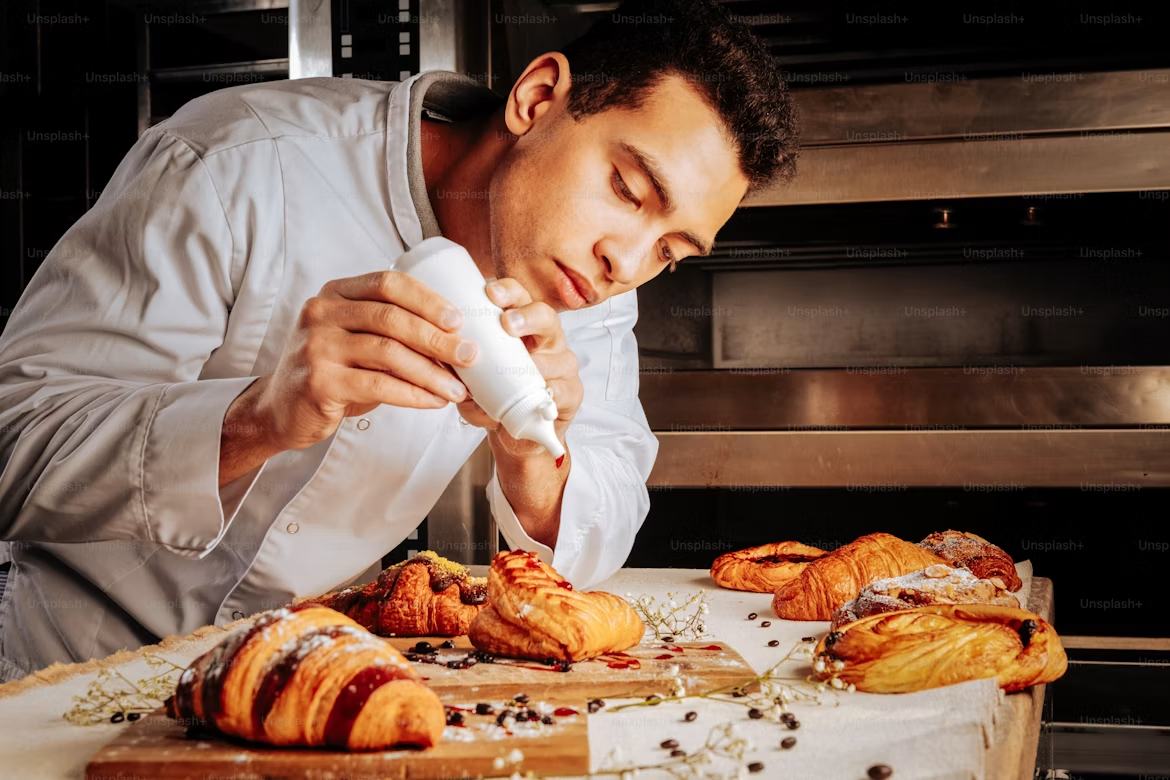
At the heart of every baked good is flour. When mixed with water, the proteins in wheat—glutenin and gliadin—bond to form gluten. In bread, you want a strong gluten network to trap carbon dioxide produced by yeast, resulting in that chewy, airy structure.
In pastries, however, you want to limit gluten development to ensure a delicate, crumbly texture. This is why bakers use low-protein "cake flour" and limit mixing for biscuits and pies.
The Leavening Agents: Creating Lift
Leavening is the process of creating gas bubbles to make dough rise. Yeast, a living organism, consumes sugars and releases carbon dioxide. Meanwhile, chemical leaveners like baking powder and baking soda react with moisture and heat to create an immediate lift.
Balancing these agents is critical; too much, and your bake collapses; too little, and you are left with a dense, unappealing brick.
The Maillard Reaction: Flavor and Color
The golden-brown crust on your baguette or the toasted edge of a cookie is the result of the Maillard Reaction. This is a chemical interaction between amino acids and reducing sugars that occurs at temperatures above 285°F (140°C). It is responsible for creating hundreds of unique flavor compounds and the appealing browning that defines quality baking.
Master the Fundamentals
Baking is truly where art meets laboratory. By respecting the measurements and understanding the chemical transformations at play, you transform from a casual home baker into a master of the craft. Happy baking!