The Little Aviary on My Terrace: A Daily Rendez‑vous with Visiting Birds
There’s something magical about turning a modest balcony into an impromptu birdwatching station. When the city’s hustle fades into the background and the sun drifts lazily across the sky, my terrace transforms into a tiny aviary, welcoming an eclectic cast of feathered guests.
If you’re curious about inviting nature’s winged travelers to your own rooftop retreat, here’s a glimpse into the simple pleasures—and a few practical tips—to make the most of those unexpected visits.
- A Warm Welcome: Setting the Stage
The first step is creating an environment that feels safe and inviting. A shallow bird feeder filled with mixed seeds (sunflower, millet, and cracked corn) works wonders, especially during the cooler months when natural food sources dwindle. I’ve learned that placing the feeder about a foot off the terrace rail reduces the risk of wind‑blown spillage while keeping the birds within easy sight.
A modest water dish—refilled daily—adds an extra incentive. Even a small puddle can become a magnet for swallows, finches, and the occasional hummingbird that darts in for a quick sip before resuming its aerial ballet.
- The Cast of Characters
Over the past year, I’ve catalogued more than a dozen species that have made my terrace a stop‑over point:
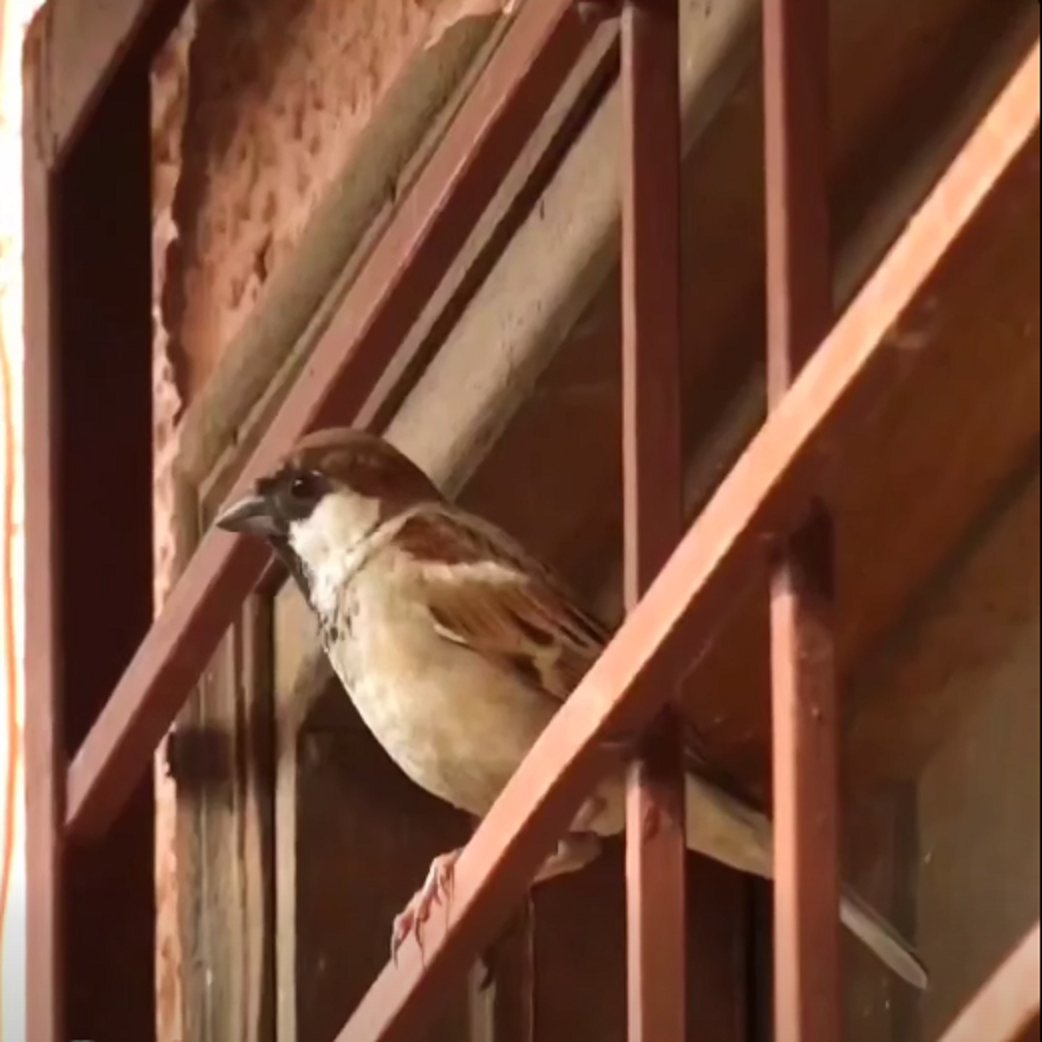
House Sparrow – The ever‑present socialite, often arriving in lively flocks.
European Starling – Recognizable by its iridescent sheen, they love to perch on railing edges.
Common Blackbird – A solitary singer, its mellow warble adds a melodic backdrop.
Eurasian Collared‑Dove – With a soft “coo‑coo,” it brings a gentle rhythm to the afternoon.
Garden Warbler – A rarer guest, its plaintive song signals the arrival of spring.
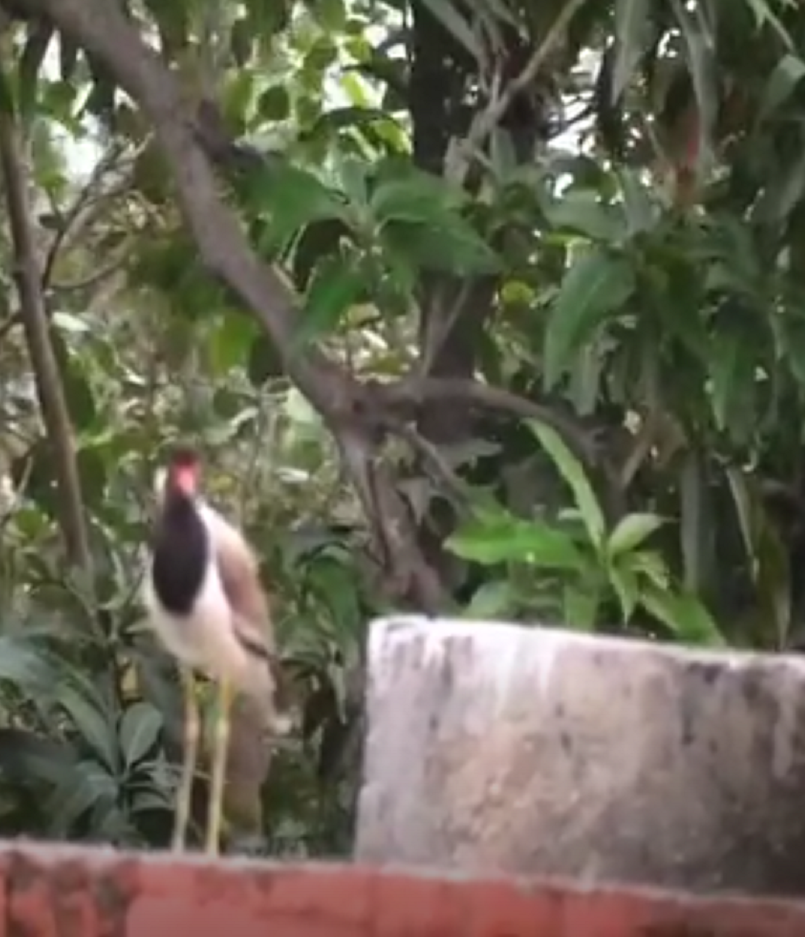
Each visit feels like a brief, intimate performance. I keep a small notebook nearby, noting arrival times, weather conditions, and any unusual behaviors. Over time, patterns emerge—some birds prefer early mornings, while others linger after sunset.
- Observational Etiquette
Respect is essential. Keep movements slow and avoid sudden gestures that could startle a perched bird. If a curious sparrow hops onto the railing, let it explore; the goal isn’t to capture but to observe. A pair of binoculars mounted on a flexible tripod allows close scrutiny without intrusion, and a smartphone camera with a telephoto lens can gently document those fleeting moments.
- Seasonal Shifts and What They Teach Us
Winter brings a surge of seed‑hungry visitors, while spring heralds a chorus of songbirds returning from migration. In autumn, resident species become more vocal, defending territory before the colder months. By noting these seasonal shifts, you’ll develop an intuitive sense of your terrace’s ecological rhythm, turning everyday observation into a mini‑study of avian behavior.
- The Unexpected Benefits
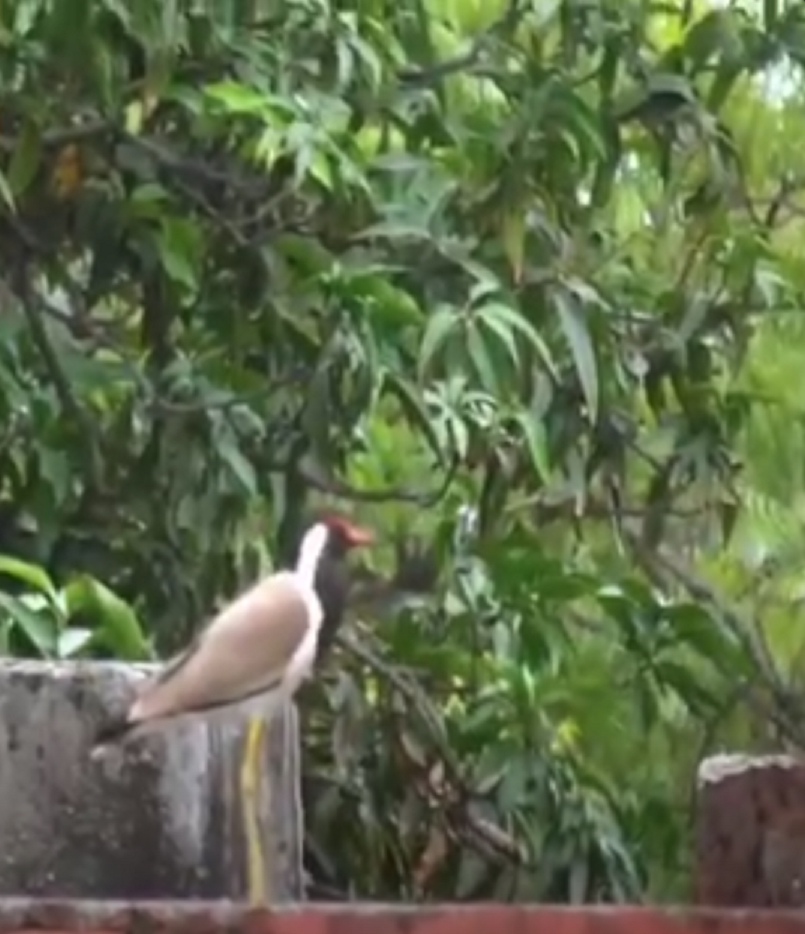
Beyond sheer enjoyment, the terrace birds inadvertently improve the micro‑environment. Their foraging reduces pest insects, and the occasional droppings, though a minor nuisance, fertilize the potted herbs I keep nearby. Moreover, the daily sight of a flitting finch or a perched thrush offers a quiet reminder to pause, breathe, and appreciate the small miracles that unfold right above our heads.
In Closing
Inviting birds onto your terrace need not require elaborate landscaping or exotic plant collections. A few seed jars, fresh water, and a patient eye are all it takes to open a portal to the avian world.
As the seasons turn, you’ll find yourself sharing your rooftop with a rotating cast of winged strangers—each visit a brief, beautiful conversation between city life and wild nature. So, step out onto your balcony, spread a handful of seeds, and let the feathered guests write their own stories across your sky.