Bitcoin ATMs Under Regulatory Pressure: Does This Market Still Have a Future?
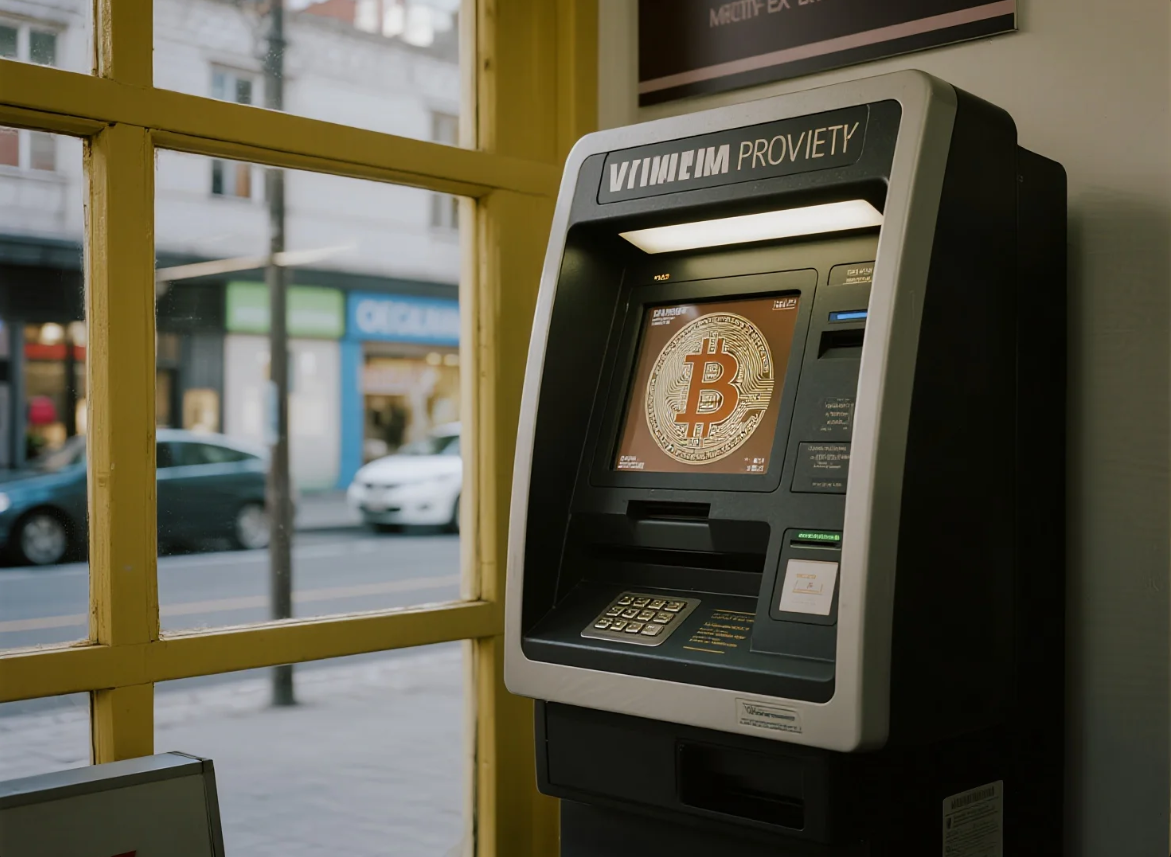
The world’s largest Bitcoin ATM operator, Bitcoin Depot, recently revealed two major issues:
- A “material weakness” in internal financial controls
- A forced suspension of operations in Connecticut, USA due to licensing issues
Yet at the same time, the company announced:
👉 A plan to expand its global ATM network to 10,000 machines by 2025
This highlights a key contradiction:
👉 Regulatory pressure is rising — but demand still exists.
So the real question is:
Do Bitcoin ATMs still have a future?
1. What Bitcoin ATMs Really Are
Many people think Bitcoin ATMs are simply “machines to buy crypto.”
In reality, they serve a much more important role:
👉 A physical on-ramp / off-ramp into the crypto ecosystem
Core functions:
- Cash → Bitcoin
- Bitcoin → Cash
- No bank account required
Why this matters:
Bitcoin ATMs are especially valuable in regions with:
- large unbanked populations
- cash-dominated economies
- limited or restricted banking systems
👉 In these environments, BTC ATMs are often the simplest entry point into crypto.
2. Why Regulators Are Targeting BTC ATMs
Bitcoin ATMs are one of the most heavily scrutinized crypto entry points — for good reason.
1. AML (Anti-Money Laundering) Risk
They enable:
- cash-based transactions
- relatively high anonymity
Which makes them vulnerable to:
- money laundering
- illicit fund transfers
2. Weak KYC Practices
Some operators have:
- minimal identity verification
- insufficient user screening
👉 This directly conflicts with global regulatory trends.
3. High Fees
Bitcoin ATMs often charge:
👉 5% – 15% per transaction
Much higher than exchanges.
Regulators view this as:
👉 potentially harmful to consumers
3. What “Material Weakness” Really Means
Bitcoin Depot’s disclosure of a “material weakness” is a serious red flag.
Typically, this implies:
- lack of financial transparency
- weak risk control systems
- incomplete compliance frameworks
👉 For a financial business, this directly affects:
- investor confidence
- regulatory trust
4. Why Expansion Continues Despite the Pressure
At first glance, expansion seems contradictory.
But the logic is straightforward.
1. Demand Still Exists
In many regions:
- banking access is limited
- users rely on cash
👉 BTC ATMs remain the most direct access point to crypto.
2. The Market Is Still Open
This is not a fully consolidated industry.
Whoever achieves:
- regulatory compliance
- large-scale deployment
may become:
👉 a core infrastructure player
3. Strong Network Effects
ATM businesses depend on:
- geographic coverage
- machine density
👉 The more machines deployed, the more stable the revenue.
5. The Real Problem: Better Alternatives Are Emerging
The biggest threat to Bitcoin ATMs isn’t lack of demand — it’s competition.
1. Exchange On-Ramps
Examples:
- credit card purchases
- bank transfers
Advantages:
- cheaper
- more convenient
- fully compliant
2. Stablecoins
Examples:
- USDT
- USDC
Enable:
- cross-border transfers
- peer-to-peer payments
3. P2P Markets
Features:
- localized trading
- lower costs
👉 Compared to these options, BTC ATMs are:
- more expensive
- less efficient
- limited in use cases
6. Three Possible Future Scenarios
1. Niche Survival
Bitcoin ATMs continue to exist in:
- cash-based economies
- underbanked regions
👉 A structural but limited demand
2. Compliance Upgrade
ATMs evolve into:
- fully regulated terminals
- strong KYC systems
👉 Similar to banking or payment kiosks
3. Gradual Decline
If:
- online on-ramps become dominant
- fees continue to drop
👉 ATMs may be gradually marginalized
7. What This Means for Investors
This development signals a broader trend:
👉 Crypto is shifting from “wild growth” to “compliance-driven competition.”
The companies most likely to survive will have:
- strong regulatory capabilities
- sufficient capital
- long-term operational strategy
8. One-Sentence Summary
👉 Bitcoin ATMs are not losing demand — they are being replaced by more efficient financial gateways.
- Short term: still relevant
- Long term: must evolve or risk becoming obsolete
FAQ
Do Bitcoin ATMs still have a market?
Yes — mainly in:
- unbanked populations
- cash-heavy economies
- regions with limited financial infrastructure
👉 It’s a niche demand, not a mainstream one.
Why are BTC ATM fees so high?
Key reasons:
- operational costs (hardware, maintenance, compliance)
- regulatory risk premium
- liquidity costs
Will exchanges fully replace BTC ATMs?
Not in the short term.
But long term:
👉 cheaper and more efficient online solutions will dominate.
Is regulation good or bad for this sector?
- Short term: negative (limits growth)
- Long term: positive (removes weak players, raises standards)
What is the most likely future form of BTC ATMs?
They may evolve into:
- compliant financial terminals
- strong KYC systems
- integrated with banking infrastructure
Is this still a good business to enter?
Suitable for teams with:
- strong compliance capabilities
- sufficient capital
- long-term vision
Read more:Why Do Trading Fees Differ Across Crypto Pairs? (2026 Complete Guide)