Why Bitcoin Is Getting Harder to Buy: The Supply Shock Already Underway
Recently, many people have started to notice something:
👉 Buying BTC feels harder than before
It’s not that you can’t buy it.
But rather:
👉 It’s getting more expensive—and much harder to buy at lower prices
This isn’t just about market sentiment.
It reflects a deeper structural shift:
👉 A supply shock is happening
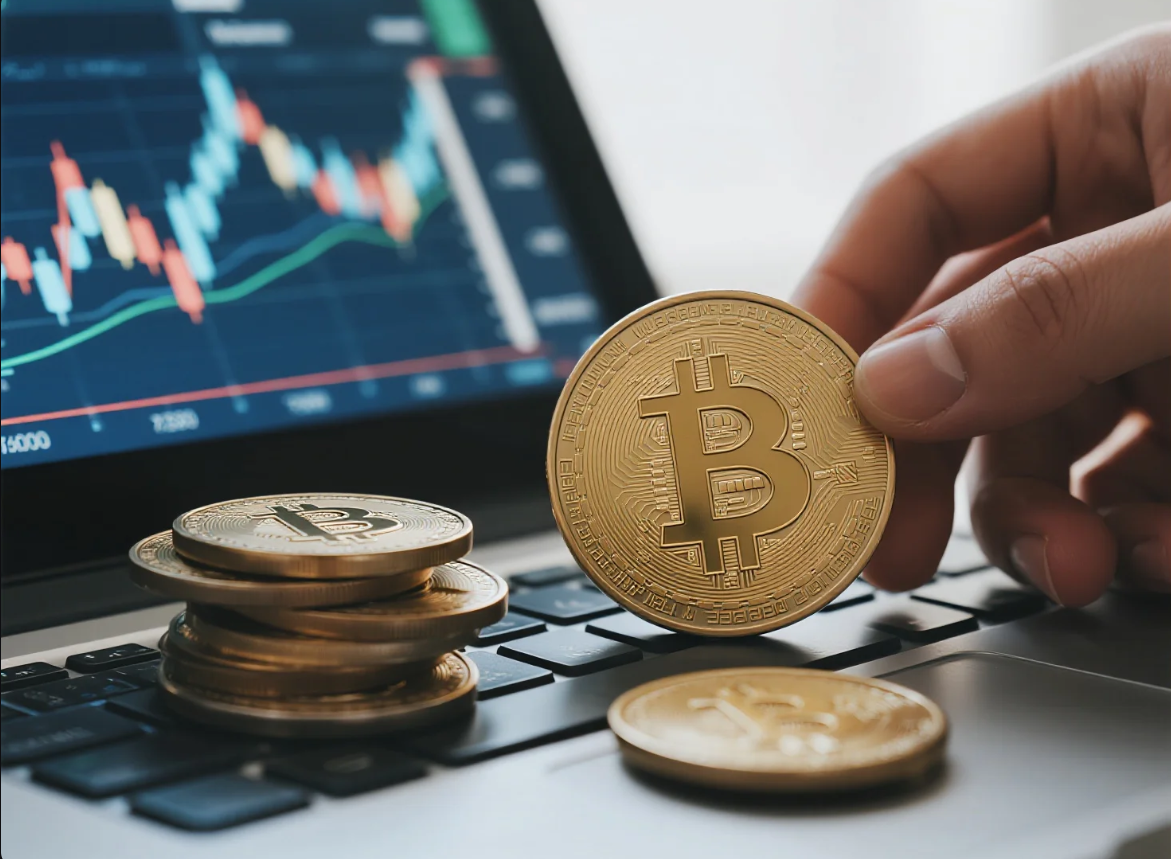
1. What Is a “Supply Shock”? (Simple Explanation)
In one sentence:
👉 There is less BTC available on the market
Simply put:
- Fewer people are willing to sell
- More people want to buy
👉 The result:
Prices are continuously pushed higher
2. A Key Feature of Bitcoin: Fixed Supply
One of Bitcoin’s defining characteristics is:
👉 A maximum supply of 21 million coins
And:
👉 The supply is cut in half roughly every 4 years (halving)
👉 This means:
New supply keeps decreasing over time
3. Three Major Forces Happening in 2026 (Critical)
1️⃣ Post-Halving Supply Reduction
👉 The most recent halving happened in 2024
👉 Result:
- The number of new BTC entering the market daily has dropped significantly
👉 But demand has not decreased
👉 This creates:
A supply-demand imbalance
2️⃣ Continuous Institutional Accumulation
👉 ETFs, funds, and institutional capital are accumulating BTC
Their behavior is different:
- Long-term holding
- Low selling pressure
👉 Result:
A large portion of BTC is being locked away
3️⃣ Long-Term Holders Are Not Selling
👉 Many BTC holders:
- Have held for years
- Are unwilling to sell at current prices
👉 This means:
Market liquidity is shrinking
4. A Key Shift: Less BTC on Exchanges
👉 More BTC is being withdrawn:
- Moved off exchanges
- Stored in cold wallets
👉 This indicates:
Less tradable supply
The market is increasingly becoming:
“There’s a price—but fewer coins available.”
5. Why It Feels Harder to Buy BTC
👉 Because:
❗ 1. Shallower Pullbacks
👉 Every dip:
Gets bought up quickly
❗ 2. Faster Uptrends
👉 Once price breaks out:
Capital flows in rapidly
❗ 3. Shorter Time at Lower Prices
👉 Lower price zones don’t last long
👉 Result:
You always feel late to enter
6. What Supply Shock Really Means
👉 It’s not just about prices going up
👉 It means:
Future price moves could become more aggressive
📈 Why?
When:
- Demand increases
- Supply decreases
👉 Prices tend to move:
Non-linearly (faster and stronger upward moves)
👉 In simple terms:
The upside becomes more explosive
7. Important: This Doesn’t Mean Immediate Pumps
👉 Many people misunderstand:
“Supply shock = instant price surge”
👉 That’s not true
Markets will still have:
- Pullbacks
- Shakeouts
- Volatility
👉 But structurally:
The long-term trend remains bullish
8. How Beginners Should Respond
🎯 1. Don’t Wait for the “Perfect Dip”
👉 Because:
Opportunities are becoming rarer
🎯 2. Enter Gradually (DCA)
👉 Don’t try to predict the market
- Buy step by step
- Stay consistent
🎯 3. Focus on Long-Term Holding
👉 Avoid frequent trading
🎯 4. Control Your Costs (Critical)
👉 Many people overlook:
- Slippage
- Spread
- Trading fees
👉 These can:
Quietly eat into your profits
👉 If you want to understand this better, read:
👉 How to Choose a Low-Cost Crypto Exchange in 2026 (Complete Guide to Avoid Hidden Fees)
9. HiBT: Navigating a Supply Shock Market
At HiBT, we’ve optimized for this type of market:
✅ Lower slippage
👉 Avoid losses when chasing price
✅ Transparent costs
👉 No hidden fees eating your profits
✅ Beginner-friendly guidance
👉 Reduce costly mistakes
👉 So you can:
Actually capture gains in a rising market
10. Final Takeaway
Remember this:
👉 Bitcoin isn’t just getting more expensive—it’s becoming more scarce
The core of the supply shock:
1️⃣ Less new BTC entering circulation
2️⃣ Existing BTC becoming less liquid
3️⃣ Demand continuing to grow
👉 The result:
Fewer opportunities to buy
Closing Thought
In the past, the question was:
“Should I buy Bitcoin?”
In the future, the question may become:
“Will I still be able to buy Bitcoin?” 🚀