White Label Tokenization Platforms: Powering the Future of Blockchain Infrastructure
White Label Tokenization Platforms: Powering the Future of Blockchain Infrastructure
Introduction
Blockchain technology has experienced huge growth and change from primarily being used only for cryptocurrency applications to being the main component of the Global Digital Economy. This major new type of digital asset is known as tokenized assets, which are digital tokens created through the process of converting physical, financial, or intangible assets into digital tokens secured by a Blockchain that are accessible from anywhere in the world with internet access. The creation of tokenized assets is changing the way value is created, stored, and transferred in many different industries. Businesses are unlocking the value of their illiquid assets and enabling fractional ownership through tokenization, while opening access to a global pool of investors without geographical limitations.
Developing advanced blockchain architectures has always presented substantial challenges, both technically and financially, as well as being time-consuming. These challenges have created a growing demand for 'white label' tokenization platforms that provide fully-functional and scalable systems that eliminate many of the technical complexities associated with deploying a new tokenization solution. White label solutions provide businesses with a 'turn-key' tokenization solution that enables businesses to develop their own tokenization strategies and focus on bringing innovative products, services, and experiences to market while accelerating into the digital asset economy.
What is White Label Tokenization Platforms?
To enhance the business process of adopting blockchain, businesses can implement white label tokenization platform development as a way to have fully developed blockchain infrastructures that have the ability to be customized and rebranded. White labelled tokenization platforms eliminate the need for an enormous amount of in-house development by offering pre-built technology, including features, tools and integrations capable of serving the complete tokenization lifecycle. In contrast, custom-built tokenization solutions can take several months of development time, testing and deployment to go live with. White labeled tokenization solutions greatly reduce time to market while still providing flexibility for customization.
Organizations looking to adopt white label tokenization solutions can customize the platform’s user experience, functionally and branding to best suit the company’s objectives and ultimately the company’s target market. This significantly reduces the cost of operations and the number of technical barriers, making blockchain technology available to startup companies, enterprise companies and financial institutions. Ultimately, white label tokenization platforms allow businesses to utilize leading edge technology without additional complexities related to blockchain development.
Understanding Blockchain Tokenization
Tokenization refers to converting ownership into a digital representation where ownership can be verified safely, openly, and can be easily transferred from one party to another. Decentralized networks like Ethereum, Polygon and Solana provide tokenized assets with decentralized verification, data integrity, and greater security. Each token represents a share/portion of an underlying asset and can therefore be traded in smaller pieces. Tokenization will provide additional investment opportunities by reducing the minimum capital requirements to invest and increasing the number of potential market participants.
Tokenization is applicable to virtually all types of asset classes including physical assets like real estate and commodity products and securities such as stocks/bonds and digital assets like NFTs and copyright or patent rights. Tokenization of assets creates a more inclusive and efficient global financial system by connecting the traditional world of finance and blockchain technology and allowing for quicker transactions to lower transaction costs and improved transparency.
Core Technology Behind White Label Platforms
Smart Contracts (Automation & Trust)
Smart contracts on platforms like Ethereum automate transactions and agreements without intermediaries, ensuring secure, transparent, and tamper-proof execution.
Token Standards (ERC-20, ERC-721, ERC-1400)
These standards define token behavior:
- ERC-20 for fungible tokens
- ERC-721 for NFTs
- ERC-1400 for regulated security tokens
They enable seamless interoperability across platforms.
APIs & Modular Architecture
APIs connect systems, while modular design allows easy customization, scalability, and integration with third-party services.
Wallet Integration & Custody Solutions
Wallets enable secure storage and transactions, while custody solutions protect digital assets and private keys for users and institutions.
Compliance Tools (KYC/AML)
KYC verifies user identity, and AML prevents illegal activities, ensuring regulatory compliance and building investor trust.
Key Features of White Label Tokenization Platforms
White label tokenization systems offer end-to-end solutions for developing, issuing and managing virtual assets. They help with shared ownership, provide investor dashboards for real-time insights and allow trading through integrated marketplaces to improve liquidity. With multi-chain compatibility, solid protection and scalable infrastructure, these platforms make asset tokenization efficient, flexible and reliable.
- End-to-End Asset Management – Seamlessly create, issue and manipulate digital tokens
- Fractional Ownership –Enables buyers to trade smaller holdings of assets with excessive value
- Investor Dashboards – Real-time monitoring of performance, portfolio and transactions
- Secondary Marketplace – Easy shopping and selling of tokenized assets for better liquidity
- Multi-Chain Compatibility – Operate across more than one blockchain network for flexibility
- High Security – Advanced encryption, audits and stable infrastructure
Why White Label Tokenization is Trending in 2026
The growing popularity of white label tokenization systems in 2026 can be attributed to several key factors that align with the desires of modern companies. One of the biggest boons is the ability to drastically reduce time-to-market allowing companies to launch their platforms in weeks instead of months. This speed is complemented by using reduced development prices as companies now do not want to invest heavily in building infrastructure from scratch. The rapid expansion of real-world asset tokenization has additionally driven demand, as industries look to digitize assets and tap into global investment opportunities.
Institutional adoption is likewise on the rise, with huge financial groups recognizing the capability of tokenized ecosystems. In addition, integration with decentralized financial platforms such as Aave enables new financial use cases, including lending, borrowing and yield generation, using tokenized assets. These factors together role white label tokenization as a cornerstone of blockchain innovation.
Use Cases Across Industries
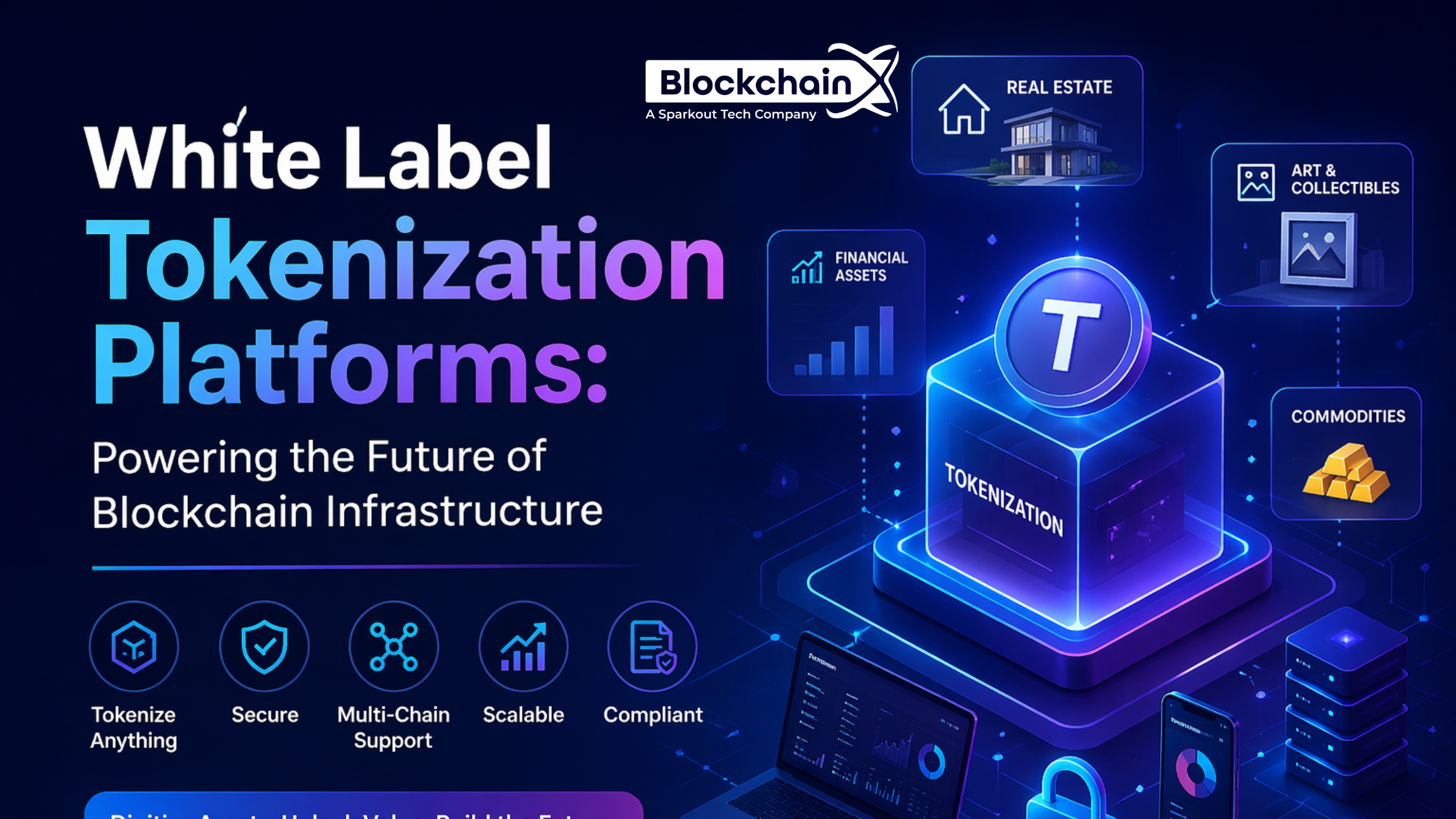
White label tokenization systems are driving transformation across a wide variety of industries by enabling innovative use cases that have previously been difficult or impossible to harvest. In real estate, tokenization allows homes to be divided into tranches, allowing for broader investor participation and advanced liquidity. In the commodities sector, assets that include oil, fuel and precious metals can be tokenized to facilitate transparent and efficient trading. Financial markets benefit from security token offerings (STOs), which offer a compliant and green way to raise capital via digital securities.
The art and collectibles business is being revolutionized through NFTs allowing creators to monetize their paintings while ensuring authenticity and ownership. In addition inexperienced strength projects are leveraging tokenization to change carbon credits and guide sustainable investments, promoting environmental responsibility while developing new economic opportunities.
Benefits for Businesses and Investors
The introduction of white label tokenization structures brings great benefits to every organization and merchant. For businesses these structures offer a faster and more cost-effective way to enter the blockchain space with the introduced benefit of custom branding and scalable infrastructure that supports long-term scale-up. They also streamline operations by automating approaches and reducing reliance on intermediaries. For investors, tokenization opens up access to a multitude of assets that have previously been inaccessible or required huge amounts of capital.
Fractional ownership allows participation with smaller investments, while international accessibility allows investors to discover opportunities beyond their nearby markets. Improved liquidity ensures that assets can be transacted larger without difficulty, and the transparency of blockchain generation builds faith and confidence in the gadget.
Future of White Label Tokenization Platforms
As the digital economy continues to adapt, white label tokenization platforms are expected to play an increasingly important role in shaping the future of finance and asset control. The tokenized asset marketplace is projected to reach multi-billion recent back values, pushed through growing adoption across industries and areas. Emerging technologies along with synthetic intelligence are being integrated into tokenization structures to beautify valuation, risk assessment and selection procedures.
Expansion into new sectors including infrastructure to agriculture and high-end assets, will similarly increase the scope of tokenization. Interoperability between blockchain networks is also improving, enabling seamless transfers and interactions across extraordinary ecosystems. These advancements will contribute to an extra related to green and inclusive worldwide financial gadget.
Conclusion
White label tokenization platforms are redefining the way businesses use blockchain adoption by conveying scalable, green, and customizable answers that simplify the asset digitization procedure. By removing technical barriers and accelerating deployment, these platforms empower organizations to innovate and compete in the rapidly evolving virtual financial system. As tokenization continues to gain momentum, white label solutions will continue to be at the forefront of this change, enabling organizations to unlock new capabilities and create fees in ways previously impossible. In a world where digital assets are increasingly important to financial activity, it is far clear that tokenization is not just a future possibility, but a present reality that is actively shaping the global monetary landscape.