Building a First Aid Kit: Why You Need Both Mezym and Validol
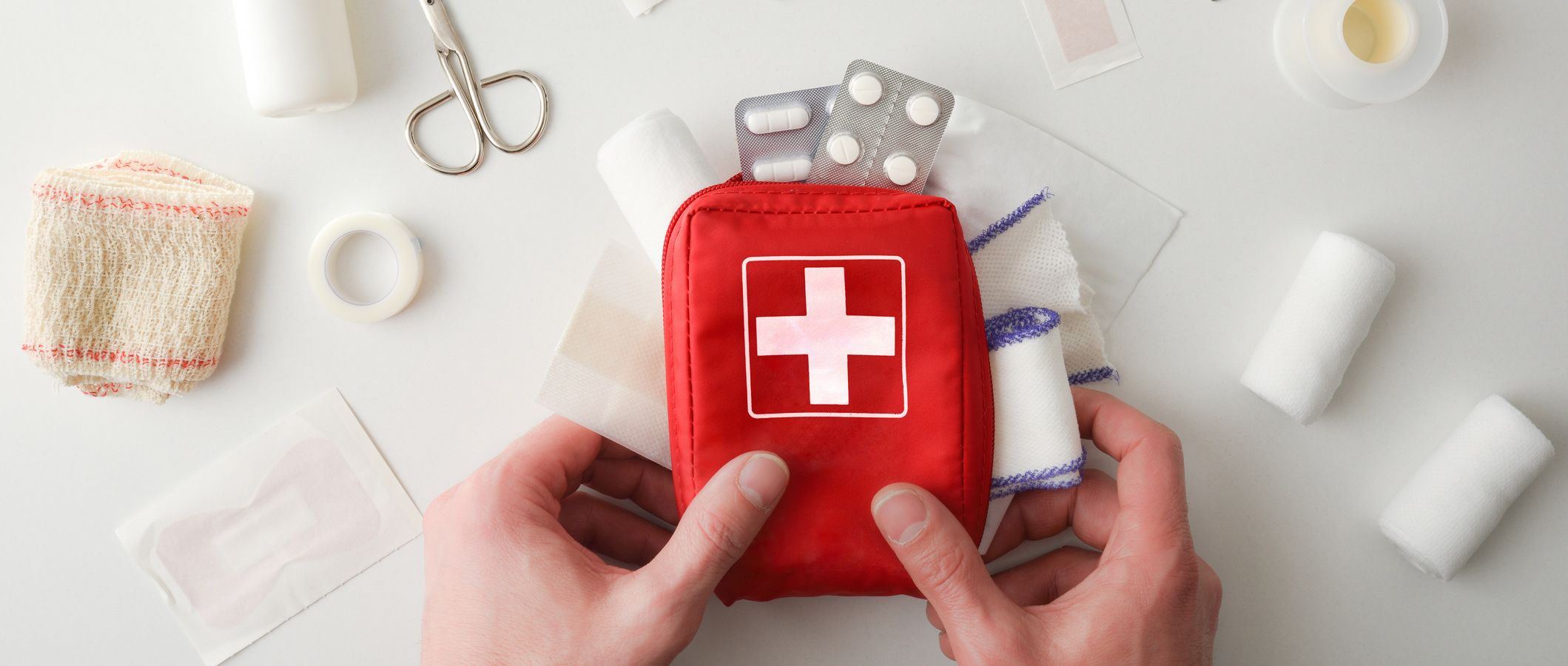
A well-prepared first aid kit is a cornerstone of personal preparedness. Most people assemble kits focused on cuts, burns, and common injuries, but a truly useful kit should also address internal discomforts and situational stressors that can arise unexpectedly. Building a first aid kit that meets this need means considering not just trauma, but also digestive upset and acute anxiety—two common issues that can significantly impact well-being during travel, stressful events, or minor emergencies.
Digestive discomfort, from bloating and indigestion after an unfamiliar meal to the simple discomfort of overeating, is a frequent complaint. It’s not a medical emergency, but it can be acutely unpleasant and distracting. Similarly, situational anxiety or nervous tension—perhaps before a public speaking engagement, during a stressful journey, or following a minor shock—can manifest physically with palpitations or a sense of unease. Having tools to manage these non-traumatic but disruptive states makes a first aid kit far more practical and comprehensive.
This article explores the rationale for including two specific supportive medications: a digestive enzyme supplement and a mild calming agent. We will examine the distinct roles of Mezym and Validol , why they complement standard first aid supplies, and how to integrate them safely and effectively into your preparedness planning.
The Philosophy of a Comprehensive First Aid Kit
Traditional first aid kits are designed for physical trauma: bandages for wounds, antiseptics for cleaning, pain relievers for headaches or minor aches. This is vital, but it represents a reactive model—addressing problems after they occur. A proactive, comprehensive kit adopts a broader view of "first aid": it aims to support overall comfort and functionality by addressing common, non-traumatic ailments that can impair your ability to cope with a situation.
Think of a time you felt unwell during a trip due to a heavy meal, or when nervousness made it difficult to focus. These states don’t require an ambulance, but they do diminish your capacity. A kit that helps you manage digestive ease or momentary anxiety is therefore an extension of self-care and situational management. It turns a kit from a box of emergency tools into a personal wellness resource for everyday contingencies.
Beyond Bandages and Antiseptics
Expanding your kit’s scope requires careful selection. The goal is not to stockpile prescription drugs or treat serious conditions. Instead, focus on over-the-counter or readily available supportive products with clear, limited use cases for common, self-limiting issues. The criteria are: safety for occasional use, a well-understood mechanism of action, and a specific symptom profile they address. This approach ensures your kit remains safe, legal, and practical for a non-medical professional to use.
Addressing Digestive Discomfort with Enzymatic Support
Digestive issues are incredibly common, especially in situations where your normal diet or routine is disrupted. Travel, unfamiliar foods, hurried meals, or even stress can lead to feelings of fullness, bloating, gas, and general abdominal discomfort. These symptoms are often caused by temporary inefficiency in the digestive process, where the body’s natural enzymes are insufficient for the meal consumed.
Digestive enzyme supplements are designed to provide temporary support. They contain enzymes like proteases, lipases, and amylases that help break down proteins, fats, and carbohydrates in food, facilitating digestion. This can alleviate the symptoms of minor digestive distress. For a first aid kit, such a supplement is a logical inclusion because it addresses a frequent, predictable, and non-serious source of discomfort.
It is crucial to understand that these are not treatments for chronic conditions, food allergies, or infections. They are a situational tool for occasional use. When selecting a product, look for one with a standardized formulation. For example, a product like Mezym offers a combination of enzymes intended to support the digestion of different food components. Including such an item in your kit means you have a ready option for managing post-meal discomfort without needing to search for a pharmacy.
Practical Integration into Your Kit
Store digestive enzymes in a cool, dry place within your kit, alongside other internal medications. Clearly note the intended use—for occasional digestive support after heavy or unfamiliar meals—on a small card included with the product. Always adhere to the recommended dosage on the packaging and never use it as a regular daily supplement unless advised by a doctor. Its role in the kit is for intermittent, situational relief.
Managing Situational Anxiety and Nervous Tension
Anxiety is not solely a psychological condition; it has physical manifestations that can occur in acute, situational bursts. The feeling of a "racing heart," mild palpitations, or a sudden wave of nervousness before a stressful event are familiar to many. While deep-seated anxiety requires professional care, momentary situational tension can be managed with mild, calming agents designed for occasional use.
Some traditional preparations offer a gentle calming effect. They are not strong sedatives or psychiatric medications. Their purpose is to provide a mild sense of relaxation and ease physical symptoms like nervous palpitations during temporary stressors. Having such an option in a first aid kit can be valuable during travel anxiety, after a minor accident, or in any situation where calmness is needed to proceed effectively.
The key is to select a product with a history of use for this specific purpose. For instance, Validol is often utilized for its mild calming properties and effect on nervous heart sensations. In a kit context, it serves as a tool for regaining composure, not as a treatment for clinical anxiety. It exemplifies the kit’s expansion into supporting mental-physical comfort during unsettling moments.
Guidelines for Safe Use
This category of product must be used with clear boundaries. It is for acute, situational feelings of nervousness, not for chronic issues. Store it securely in your kit with a note specifying its use case. Always follow the dosage instructions meticulously. Understand that it is a supportive measure; if symptoms are severe or persistent, seeking professional help is imperative. Its inclusion makes your kit more holistic, but it does not replace medical advice.
Synergy in Kit Composition: Physical and Situational Support
A first aid kit containing both a digestive aid and a mild calming agent represents a balanced approach to personal preparedness. It covers two major axes of common discomfort: physical (digestive) and situational (anxiety). These items work synergistically with traditional supplies. Imagine a scenario: a minor travel delay causes stress and you eat a rushed, heavy meal. You might experience both nervous tension and digestive bloating. A comprehensive kit allows you to address both aspects, helping you remain more comfortable and functional.
This synergy transforms the kit from a passive collection of supplies into an active resource for managing well-being. It acknowledges that "first aid" can mean aiding your ability to function comfortably, not just treating visible injuries. The combination also encourages a more thoughtful approach to kit assembly—considering the user’s full range of potential needs in disruptive situations.
Curating a Balanced Inventory
When adding these supportive medications, maintain balance. They should complement, not dominate, your kit. The core must still be trauma supplies: adhesive bandages, gauze, antiseptic wipes, analgesic tablets, and any personal prescribed medications. The supportive items like enzymes and mild calmatives occupy a specific, secondary compartment. Label this compartment clearly for "Supportive Care" to distinguish it from "Emergency Trauma Care."
Storage, Safety, and Legal Considerations
Safety is paramount when storing any medication. Keep your entire kit in a cool, dry place, away from direct sunlight and moisture. Check expiration dates annually and replace items as needed. All medications, including supportive ones, should be in their original packaging with instructions intact.
Legal considerations vary by region. Ensure that all items in your kit are legally permissible for over-the-counter possession without a prescription in your country and any countries you may travel to. The supportive items discussed are generally widely available, but always verify local regulations. Never share medications from your personal kit with others, as individual health conditions can vary drastically.
Finally, education is part of safety. Understand why each item is in your kit and its proper use. A small reference guide or printed instructions stored with the kit can be invaluable. This ensures that when a situation arises, you use the contents correctly and appropriately.
Frequently Asked Questions
Can I use a digestive enzyme like Mezym for regular meals?
No, that is not its intended purpose in a first aid kit. Digestive enzyme supplements are for occasional support when experiencing discomfort after a heavy, fatty, or unfamiliar meal. They are not a substitute for a healthy diet or a treatment for chronic digestive conditions. Regular use without medical cause is not advised.
Is Validol a treatment for chronic anxiety disorders?
Absolutely not. Validol and similar mild calming agents are for temporary, situational feelings of nervousness or tension, such as before a stressful event or during travel anxiety. Chronic anxiety disorders require diagnosis and treatment by a healthcare professional. The kit item is for acute, self-limiting situations.
How often should I check and update my first aid kit?
Perform a full check at least every six months. Inspect all items for expiration dates, damage, or moisture. Replace any expired medications or used supplies. This regular maintenance ensures your kit, including supportive items, is always ready and safe for use.
Can I add these items to a child’s first aid kit?
You should never add adult medications to a child’s kit without explicit pediatric formulation and dosage guidance from a doctor or pharmacist. Children’s physiology is different, and many adult products are not suitable. Always consult a healthcare professional before including any internal medication in a kit for a child.
Will these items interact with my prescription medications?
Possibly. If you take any regular prescription medications, consult your doctor or pharmacist before including any new over-the-counter product in your kit, even for occasional use. They can advise on potential interactions and confirm if the supportive item is safe for your personal health profile.
Are there natural alternatives for these kit roles?
Some people prefer natural options like peppermint for digestion or lavender for calm. However, for a first aid kit, consistency and reliability are key. Standardized commercial products offer known dosages and effects. If you choose natural alternatives, ensure they are from reputable sources and you understand their proper use and limitations.
Conclusion
Building a first aid kit that truly meets your needs requires thinking beyond visible injuries. Incorporating tools for common internal and situational discomforts—like digestive upset and acute nervous tension—makes your kit a more versatile and practical resource. Including a digestive enzyme supplement such as Mezym and a mild calming agent like Validol addresses these frequent, non-traumatic issues, supporting your overall comfort and capacity to handle disruptive situations.
A comprehensive kit reflects a holistic view of preparedness. It allows you to care for minor physical discomfort and momentary anxiety, enabling you to remain functional and composed. By carefully selecting, storing, and understanding these supportive items, you elevate your first aid kit from a basic emergency box to a complete personal care system, ready for a wider range of everyday challenges.