Ceramic Foam Filter Manufacturers: Who They Are and Why They Matter
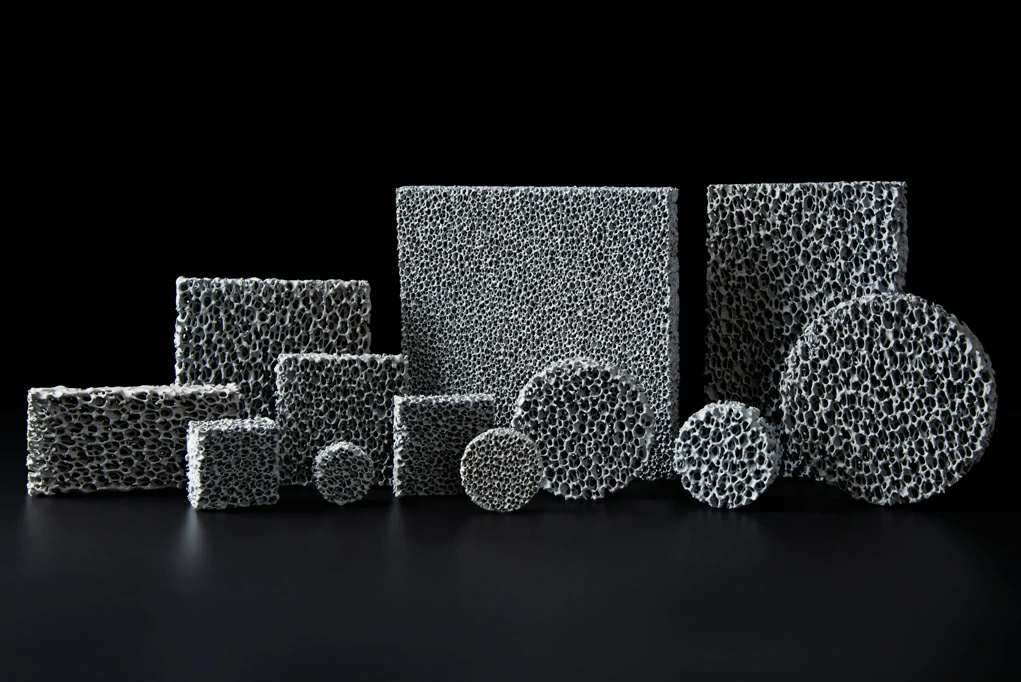
Have you ever wondered what keeps molten metal clean as it flows into a mold? The answer, more often than not, is a small but mighty product called a ceramic filter. These unsung heroes of the metal casting world play an enormous role in ensuring the quality and integrity of metal components — from car engine parts to aerospace structures. And behind every great ceramic filter, there's a skilled manufacturer making it happen.
In this article, we're diving deep into the world of ceramic foam filter manufacturers, exploring what they make, how they make it, and why choosing the right one can make or break your production quality.
What Is a Ceramic Foam Filter?
Before we talk about who makes them, let's understand what we're dealing with. A ceramic foam filter is a porous, sponge-like structure made from ceramic materials. It's designed to filter out impurities, inclusions, and slag from molten metals during the casting process. Think of it like a coffee filter — but instead of keeping coffee grounds out of your morning cup, it keeps oxide films, non-metallic inclusions, and microscopic debris out of your finished metal castings.
How Does It Work?
When molten metal flows through the porous structure of a ceramic foam filter, it undergoes both mechanical and chemical filtration. The tortuous path the liquid metal must travel through the filter's interconnected pores traps harmful particles while allowing clean metal to pass through. It's physics and chemistry working hand in hand, and it happens in a matter of seconds.
What Is It Made Of?
Ceramic foam filters are typically made from materials like alumina (Al₂O₃), silicon carbide (SiC), or zirconia (ZrO₂). The choice of material depends entirely on the type of metal being cast and the temperatures involved. Alumina-based filters are most commonly used for aluminum casting, while zirconia-based filters can withstand the extreme heat of steel casting.
The Role of Ceramic Foam Filter Manufacturers in Modern Industry
Ceramic foam filter manufacturers sit at the intersection of materials science, engineering, and industrial production. They don't just pour ceramic into molds — they engineer precise filtration solutions that help foundries around the world produce cleaner, stronger, more reliable metal parts. Without these manufacturers, the foundry industry would be left dealing with higher defect rates, increased scrap, and ultimately, weaker finished products.
Serving the Foundry and Casting World
The foundry industry is massive. From automotive parts to aircraft components, virtually every industry depends on quality metal castings. And quality castings depend on effective filtration. This is exactly where manufacturers of ceramic foam filters prove their worth. They supply the tools that make precision casting possible at scale.
Aluminum Casting Applications
Aluminum is one of the most widely cast metals in the world, and it's notoriously sensitive to oxidation and contamination. During melting and pouring, aluminum can easily pick up hydrogen gas, oxide films, and other inclusions that weaken the final product. Ceramic foam filters specifically designed for aluminum casting can dramatically reduce these defects, resulting in parts that are not only stronger but also more aesthetically refined. Automotive wheels, engine blocks, and structural aerospace components all benefit from this level of filtration precision.
Steel and Iron Casting Applications
Steel and iron casting involves far higher temperatures and more aggressive melt conditions. This is where zirconia and silicon carbide-based ceramic filters shine. They can withstand temperatures exceeding 1700°C without breaking down, making them indispensable in steel foundries where quality is non-negotiable. Pump housings, pipe fittings, railway components — these are just a few of the steel products that rely on ceramic foam filtration to meet rigorous quality standards.
Key Features to Look for in a Quality Ceramic Foam Filter
Not all ceramic foam filters are created equal — and not all manufacturers produce them with the same level of precision. If you're sourcing these products, here's what you should be looking for.
Porosity and Pore Size
Porosity is probably the most critical feature of any ceramic foam filter. It refers to the percentage of open space within the filter structure. Too few pores, and the metal flow rate drops drastically, slowing production. Too many, and the filtration efficiency suffers. The ideal balance depends on the alloy being cast and the flow rate required. Pore size, typically measured in pores per inch (PPI), ranges from 10 PPI (coarse) to 60 PPI (fine). Coarser filters allow higher flow rates, while finer filters offer superior inclusion removal. Top-tier ceramic foam filter manufacturers offer a full range of PPI options so customers can fine-tune their filtration setup.
Thermal Stability
Since these filters are immersed in molten metal, thermal stability is non-negotiable. A good ceramic foam filter should maintain its structural integrity from the moment hot metal touches it until the mold is completely filled. Thermal shock resistance — the ability to withstand rapid temperature changes — is equally important, especially in high-volume production environments where speed and consistency are everything.
Chemical Resistance
Molten metals are chemically aggressive. A quality ceramic foam filter must resist chemical attack from the metal itself, any flux agents used, and any slag or oxide films present. Manufacturers who invest in high-purity raw materials and precise sintering processes deliver filters that genuinely hold up under these extreme conditions.
How Ceramic Foam Filter Manufacturers Produce These Filters
The production process is fascinating — and far more sophisticated than it might appear on the surface.
The Replication Process Explained
Most ceramic foam filters are made using a process called the replication technique. Manufacturers start with a polyurethane foam template, which is impregnated with a ceramic slurry. The slurry coats the foam's internal structure, conforming precisely to its pore architecture. The coated foam is then fired in a high-temperature kiln. During firing, two things happen simultaneously — the polyurethane foam burns away completely, and the ceramic material sinters into a rigid, porous structure that perfectly mirrors the original foam template. What you're left with is a lightweight, structurally sound ceramic filter with a highly controlled pore network.
Quality Control and Testing
Reputable ceramic foam filter manufacturers don't stop at production. They subject their filters to rigorous quality control procedures — including dimensional checks, porosity measurements, compressive strength tests, and thermal shock evaluations. Some manufacturers even perform actual filtration trials with molten metal samples to verify real-world performance before shipping products to customers.
Types of Ceramic Foam Filters Available on the Market
Understanding the types of ceramic foam filters available helps you make smarter purchasing decisions.
Alumina Ceramic Foam Filters
These are the most widely used ceramic foam filters on the market. Made primarily from aluminum oxide, they're ideal for filtering aluminum and aluminum alloys. They offer excellent filtration efficiency, good thermal stability up to around 1200°C, and are relatively cost-effective. If your foundry primarily handles aluminum casting, alumina filters are almost certainly your best starting point.
Silicon Carbide Ceramic Foam Filters
Silicon carbide (SiC) filters are chosen when higher thermal conductivity and greater mechanical strength are needed. They're commonly used in gray iron and ductile iron casting operations. SiC filters also offer superior resistance to thermal shock, making them well-suited to fast-paced casting environments where filters experience rapid heating and cooling cycles.
Zirconia Ceramic Foam Filters
At the top of the performance ladder sit zirconia-based ceramic foam filters. These are engineered for the harshest casting environments — primarily steel and high-temperature alloy casting. Zirconia filters can handle temperatures well above 1700°C and maintain their structural integrity under extreme chemical exposure. They're premium products that carry a higher price tag, but for steel foundries, they're absolutely worth every penny.
Why Choosing the Right Ceramic Foam Filter Manufacturer Matters
Here's a question worth sitting with: what happens when a ceramic foam filter fails mid-pour? The molten metal bypasses the filter, inclusions make it into the mold, and you end up with a defective casting. Depending on the application, that defective casting could end up in a car, a plane, or a critical industrial machine. The stakes are genuinely high.
This is why the manufacturer you choose matters so much. A reliable ceramic foam filter manufacturer brings consistent product quality, proven technical expertise, and the ability to customize products to your specific process parameters. They're not just suppliers — they're partners in your quality assurance process.
What Sets Top Ceramic Foam Filter Manufacturers Apart
The best manufacturers in this space distinguish themselves through a combination of raw material quality, process precision, technical support, and product range. They work closely with foundry engineers to understand the specific challenges of each casting application. They invest in research and development to continuously improve their products. And they maintain strict quality management systems — often ISO certified — to ensure every filter that leaves their facility meets exacting performance standards.
Beyond product quality, top manufacturers also offer responsive customer service, short lead times, and the flexibility to handle both large orders and custom small-batch requirements. In an industry where production schedules are tight and downtime is costly, that kind of reliability is invaluable.
Industries That Rely on Ceramic Foam Filters
The reach of ceramic foam filtration extends across a surprisingly wide range of industries. The automotive sector is the largest consumer, using ceramic foam filters in the production of engine components, transmission housings, and structural body parts. The aerospace industry relies on them for turbine blades, structural frames, and other safety-critical components where zero defects are the standard. The energy sector uses them in the casting of pump components, valve bodies, and heat exchanger parts. Even the art and jewelry industries use ceramic foam filters when casting precious metals, ensuring smooth, inclusion-free surfaces on finished pieces.
Environmental and Economic Benefits of Using Ceramic Foam Filters
Using ceramic foam filters isn't just about quality — it's also a smart economic and environmental decision. By removing inclusions before they make it into the mold, these filters dramatically reduce scrap rates. Fewer defective castings mean less material waste, lower energy consumption in remelting scrapped parts, and reduced labor costs associated with rework and inspection. Over time, the investment in quality filtration pays for itself many times over through improved yield and reduced waste.
From an environmental standpoint, lower scrap rates mean less energy consumed overall in the casting process. Since metal melting is one of the most energy-intensive industrial processes, even small efficiency gains have a meaningful environmental impact. Forward-thinking foundries recognize that investing in quality ceramic foam filters is also an investment in their sustainability goals.
Common Mistakes When Buying Ceramic Foam Filters
Even experienced foundry managers sometimes make avoidable errors when purchasing ceramic foam filters. One of the most common is choosing filters based solely on price. A cheaper filter that breaks down mid-pour or delivers inconsistent filtration is far more expensive in the long run than a premium product that performs reliably every time.
Another common mistake is selecting the wrong PPI rating for the application. Using a filter that's too coarse for a precision casting won't adequately remove fine inclusions. Using one that's too fine for a high-flow application can restrict metal flow and cause premature solidification. Always consult with your manufacturer's technical team to select the right product for your specific process.
Finally, don't overlook storage and handling. Ceramic foam filters are brittle by nature — dropping them or storing them improperly can cause microcracks that compromise their performance during casting.
Conclusion
Ceramic foam filters may not be the most glamorous product in the foundry world, but they are undeniably one of the most important. They stand between a clean, high-quality casting and a defective, potentially dangerous one. And behind every reliable ceramic foam filter is a manufacturer who has mastered the art and science of ceramic filtration.
Whether you're casting aluminum for automotive parts or steel for industrial machinery, choosing the right ceramic foam filter manufacturers is a decision that directly impacts your product quality, your production efficiency, and your bottom line. Do your research, partner with manufacturers who bring genuine expertise to the table, and never underestimate the power of a well-made ceramic filter to transform the quality of everything that flows through it.
Frequently Asked Questions
1. What is the main purpose of a ceramic foam filter in metal casting? A ceramic foam filter is used to remove non-metallic inclusions, oxide films, and other impurities from molten metal before it enters the mold. This results in cleaner, stronger, and more defect-free castings across a wide range of metals and alloys.
2. How do I choose the right PPI rating for my application? The right PPI (pores per inch) rating depends on your specific alloy, the required flow rate, and the level of filtration precision needed. Lower PPI ratings like 10–20 PPI are better for high-flow applications, while higher ratings like 40–60 PPI are used for precision casting where fine inclusion removal is critical. Always consult your manufacturer's technical team for guidance.
3. Can ceramic foam filters be reused? Generally, no. Ceramic foam filters are single-use products. Once a filter has been used in a pour, it becomes saturated with trapped inclusions and may have experienced micro-structural changes due to heat exposure. Reusing a spent filter risks introducing contaminants into your next casting.
4. What materials are ceramic foam filters made from? The most common materials are alumina (for aluminum casting), silicon carbide (for iron casting), and zirconia (for steel and high-temperature alloy casting). The material choice is driven by the type of metal being cast and the operating temperatures involved.
5. How do I verify the quality of a ceramic foam filter manufacturer? Look for manufacturers with ISO certification, documented quality control processes, and a track record of serving reputable foundries. Request product test data, ask about their raw material sourcing, and if possible, request samples for trial use in your own casting process before committing to a full order.