Deutsch-Türkische Culture Through Food, Community, and Everyday Life in Germany
Introduction: Where Two Worlds Meet Beautifully
Germany and Turkey share a long, rich, and deeply human connection. You can see it in busy city streets, in family-owned shops, in the smell of fresh bread drifting from neighborhood bakeries, and in the laughter rising from crowded dining tables. The Deutsch-Türkische experience is not just about migration or history. It is about identity, belonging, flavor, tradition, and reinvention all rolled into one.
Over the years, Turkish communities in Germany have helped shape the country’s social and cultural landscape in remarkable ways. From local businesses to cuisine, from language to lifestyle, this influence is visible almost everywhere. And perhaps nowhere is it more alive than in food. Food tells stories that politics and headlines often miss. It whispers of home, adaptation, memory, and pride.
In many German cities, Turkish life is woven into the local fabric so naturally that it feels impossible to imagine the streets without it. The corner market, the family café, the grill house, the tea garden, the bakery with simit stacked in the window, all of these places hold meaning beyond business. They are anchors of community.
For anyone curious about this vibrant cultural connection, exploring Deutsch Türkische communities through their food and local businesses offers a powerful and authentic perspective. It is like reading a living book, one meal and one conversation at a time.
The Historical Roots of the German-Turkish Connection
The story began decades ago, especially during the labor migration agreements of the 1960s. Turkish workers came to Germany to help fill labor shortages, often arriving with the expectation that their stay would be temporary. But life had other plans.
Families grew. Communities formed. Traditions traveled. Children were born and raised between two cultural worlds. Over time, what began as migration evolved into a lasting and meaningful social bond. Today, German-Turkish identity is not a side note in Germany’s story. It is one of its important chapters.
Why Food Became the Heart of Cultural Expression
Food has a funny way of doing what speeches cannot. It brings people together without asking too many questions first. It creates familiarity. It opens doors. For Turkish families in Germany, cooking and sharing meals became one of the most important ways to preserve culture.
Recipes passed from one generation to the next carried more than flavor. They carried memory. A pot of lentil soup could remind someone of their grandmother. A fresh tray of börek could bring back images of family breakfasts. A glass of tea could turn a strange city into a temporary version of home.
The Rise of Turkish Cuisine in German Cities
Walk through Berlin, Cologne, Frankfurt, Hamburg, or Düsseldorf, and you will quickly notice how present Turkish cuisine is. This is not a niche trend. It is part of everyday urban life.
What started with simple snack counters and kebab shops has grown into a broad and impressive culinary scene. Today, Turkish food in Germany ranges from humble street food to stylish modern dining concepts. Some restaurants honor traditional regional recipes, while others mix Turkish and German influences in fresh, exciting ways.
What Makes Turkish Cuisine So Special?
Turkish food is full of warmth, depth, and generosity. It is the kind of cuisine that feels both comforting and festive. One table can hold grilled meats, fresh herbs, yogurt-based dishes, olives, bread, rice, salads, and sweets, all at once. It is not minimal. It is abundant.
The beauty of Turkish cooking lies in balance. It combines spice without overwhelming heat, richness without heaviness, and simplicity without boredom. It is a cuisine that understands contrast. Crispy and soft. Tangy and savory. Smoky and fresh. It knows how to keep your attention.
The Everyday Charm of Turkish Breakfast
More Than a Meal, It Is a Ritual
A Turkish breakfast is not something you rush through while checking your phone. It is an event. It invites you to slow down. There is cheese, olives, tomatoes, cucumbers, eggs, jams, honey, bread, and always tea. Sometimes there is menemen, sometimes sucuk, sometimes fresh pastries.
In German-Turkish households and cafés alike, breakfast represents continuity. It says, “No matter where we are, we still gather like this.” That is powerful.
Kebab and Beyond: Breaking the Stereotype
The Famous Street Food That Opened the Door
Yes, döner kebab is iconic, and yes, it deserves respect. In Germany, it became far more than a fast meal. It became a cultural symbol. Quick, affordable, flavorful, and satisfying, it found a place in the hearts of millions.
But Turkish cuisine is much bigger than döner. There are dishes like iskender, lahmacun, manti, pide, imam bayildi, mercimek çorbası, adana kebab, hünkar beğendi, and countless meze varieties. Focusing only on döner is like judging all music by one song. You miss the orchestra.
The Social Role of the Türkische Restaurant
A Place for Belonging and Celebration
A Türkische Restaurant is often much more than a place to eat. It can be a meeting point, a cultural hub, and a bridge between generations. Families celebrate birthdays there. Friends gather there after work. Elders sip tea and talk for hours. Newcomers find a familiar language, familiar aromas, and familiar hospitality.
Many of these restaurants are built on family effort. Parents cook, children help manage, cousins handle deliveries, and everyone plays a part. That sense of togetherness is often visible in the service. Guests are not treated like numbers. They are welcomed like visitors at home.
Hospitality as a Cultural Signature
If there is one thing that stands out in Turkish dining culture, it is hospitality. Guests are often offered tea, extra bread, or kind conversation without any rush. There is a generosity in the rhythm of the experience. It says, “Stay a little longer.” In a fast-paced world, that feels rare and refreshing.
Regional Diversity Within Turkish Food
Turkey Is Not One Flavor
Turkish cuisine is not a single, uniform style. It is a mosaic of regional traditions. The Aegean region brings olive oil dishes and herbs. Southeastern Turkey offers bold spices and grilled meats. The Black Sea region is known for anchovies and corn-based dishes. Central Anatolia brings hearty, rustic comfort food.
In Germany, many Turkish restaurants reflect these regional backgrounds. Some focus on grilled specialties, others on home-style dishes, and others on pastries and breakfast culture. This diversity makes the food scene richer and more exciting.
How German Taste Influenced Turkish Food Abroad
Adaptation Without Losing the Soul
When cultures meet, they influence each other. Turkish food in Germany has naturally adapted in some ways. Portion styles, menu layouts, ingredients, and dining habits sometimes reflect local demand. That is not a loss. It is evolution.
At the same time, the heart of the cuisine remains intact. The core flavors, the techniques, the communal style, and the emotional meaning still shine through. Think of it like a tree planted in new soil. It may grow differently, but its roots still matter.
The Cultural Importance of Local Markets
Where Ingredients Become Identity
If restaurants are public stages of culture, markets are the backstage machinery. This is where daily life happens. This is where families shop for ingredients they cannot do without. Spices, cheeses, fresh herbs, halal meats, legumes, pickles, sweets, and teas all come together in one lively ecosystem.
Markets also help preserve culinary authenticity. Without the right ingredients, tradition becomes harder to maintain. These stores make it possible for recipes to survive and evolve abroad.
Inside the World of Türkische Supermärkte
More Than Grocery Stores
Walking into Türkische Supermärkte can feel like stepping into a small universe of flavor and memory. Shelves are packed with products that speak directly to cultural habits and family recipes. There are sacks of bulgur, jars of pepper paste, trays of baklava, dozens of olive varieties, fresh flatbreads, and fragrant spice sections that seem to perfume the whole room.
But these supermarkets are not only for Turkish shoppers. They attract Germans, Arabs, Balkan communities, food lovers, and anyone looking for quality ingredients at fair prices. In that sense, they are also spaces of exchange. Cultures meet there in a very practical and delicious way.
Freshness, Variety, and Value
Many shoppers appreciate Turkish supermarkets for their freshness and variety. Produce sections are often vibrant and generous. Herbs are sold in bunches, not tiny polite portions. Bread is fresh. The cheese selection is broad. The tea aisle alone can feel like an adventure.
There is also something deeply human about these places. Staff members often know regular customers by face. Conversations happen naturally. Advice is shared. It feels personal in a way that giant retail chains often do not.
The Second and Third Generation Experience
Growing Up Between Languages and Flavors
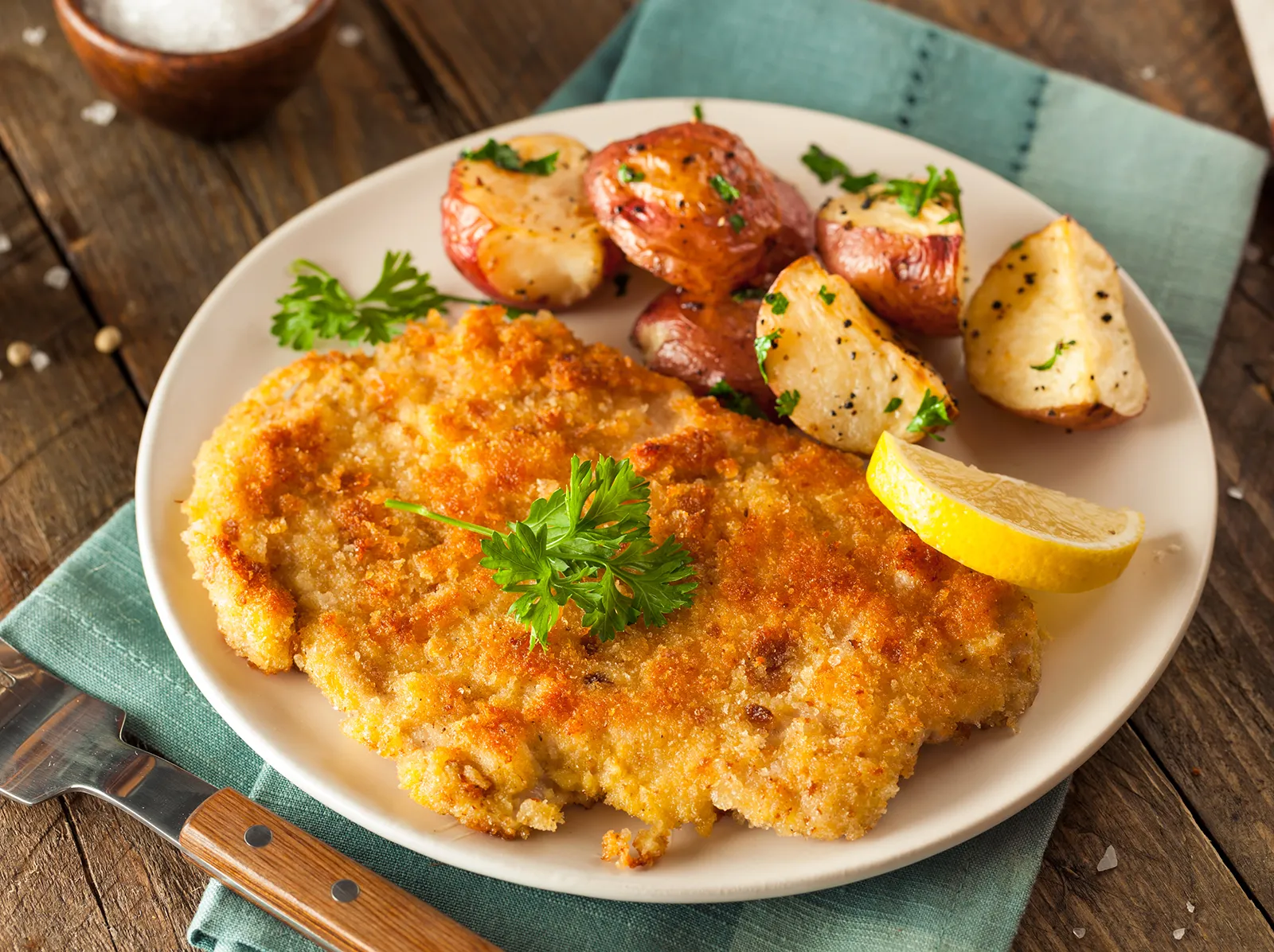
For many second- and third-generation German-Turks, food plays a major role in identity. They may speak German at school and Turkish at home. They may celebrate traditions from both cultures. They may crave schnitzel one day and lentil soup the next. And that mix is not confusion. It is richness.
This generation has also reshaped the food scene. Younger entrepreneurs are opening modern cafés, fusion kitchens, design-driven bakeries, and social media-friendly food brands that celebrate heritage without feeling stuck in the past.
Modern Turkish Dining in Germany
Tradition Meets Contemporary Style
Turkish dining in Germany is evolving fast. You now find restaurants that present classic dishes with elegant plating, creative cocktails inspired by Anatolian ingredients, and menus that speak to younger urban audiences. Some chefs are taking grandmother’s recipes and placing them in modern settings without stripping them of their soul.
That balance is not easy, but when done right, it is magic. It proves that tradition does not need to sit still to stay meaningful.
Why These Spaces Matter Beyond Food
Community, Identity, and Representation
Restaurants and supermarkets do more than feed people. They offer visibility. They say, “We are here, and our culture matters.” For minority communities, that visibility is huge. It creates pride, opportunity, and connection.
These spaces also help challenge stereotypes. When people engage with a culture through its food, conversation, and hospitality, assumptions start to crack. A shared meal can be a quiet kind of diplomacy.
A Bridge for Newcomers and Curious Locals
For Turkish immigrants and families, these businesses provide familiarity and support. For Germans and other locals, they offer access and discovery. That exchange is where social bridges form. One person comes for spices, another for bread, another for grilled lamb, and before long, they are all standing in the same place, learning from one another.
That is the understated beauty of multicultural daily life. It is not always dramatic. Sometimes it looks like buying parsley, drinking tea, and asking for the best cheese recommendation.
The Lasting Appeal of Tradition in a Fast World
In a world obsessed with speed, efficiency, and convenience, Turkish culinary culture offers something slower and more grounded. It values gathering, sharing, lingering, and savoring. It reminds people that meals are not only fuel. They are social glue.
That is one reason why interest in Türkische Supermärkte and Turkish dining keeps growing. People are not just shopping or eating. They are searching for authenticity, connection, and experience. And in these places, they often find all three.
Conclusion
The German-Turkish cultural story is alive in everyday places. It lives in the steam rising from tea glasses, in the smell of fresh bread, in family restaurants full of conversation, and in market aisles lined with beloved ingredients. It is a story of adaptation without erasure, of belonging without losing roots, and of community built one meal at a time.
To understand the Deutsch-Türkische world, you do not need to start with textbooks. Start with a table. Start with a market basket. Start with a neighborhood restaurant. Food, after all, is one of the most honest languages people speak. And in Germany, Turkish culture speaks it beautifully.
FAQs
1. What does Deutsch-Türkische mean in a cultural context?
It refers to the shared social, cultural, and historical connection between German and Turkish communities, especially in Germany. It often reflects identity, lifestyle, language, family traditions, and everyday cultural exchange.
2. Why are Turkish restaurants so popular in Germany?
They are popular because they offer flavorful, affordable, and welcoming dining experiences. Beyond the food, many people enjoy the hospitality, variety, and strong sense of community these restaurants provide.
3. What can you usually find in Turkish supermarkets in Germany?
You can find fresh produce, halal meat, cheeses, olives, bread, spices, teas, sweets, legumes, pickled goods, and many traditional Turkish ingredients that are essential for home cooking.
4. Is Turkish food in Germany the same as in Turkey?
It is often very close, but some dishes and serving styles have adapted to local tastes and lifestyles in Germany. Even so, the essential flavors and traditions remain strongly rooted in Turkish culinary culture.
5. Why do Turkish food businesses matter socially as well as economically?
They create jobs and support local economies, but they also strengthen identity, preserve traditions, and help build cultural understanding between different communities.