Hit Your Goals on the Go: The Ultimate Fast Food Protein Calculator Guide
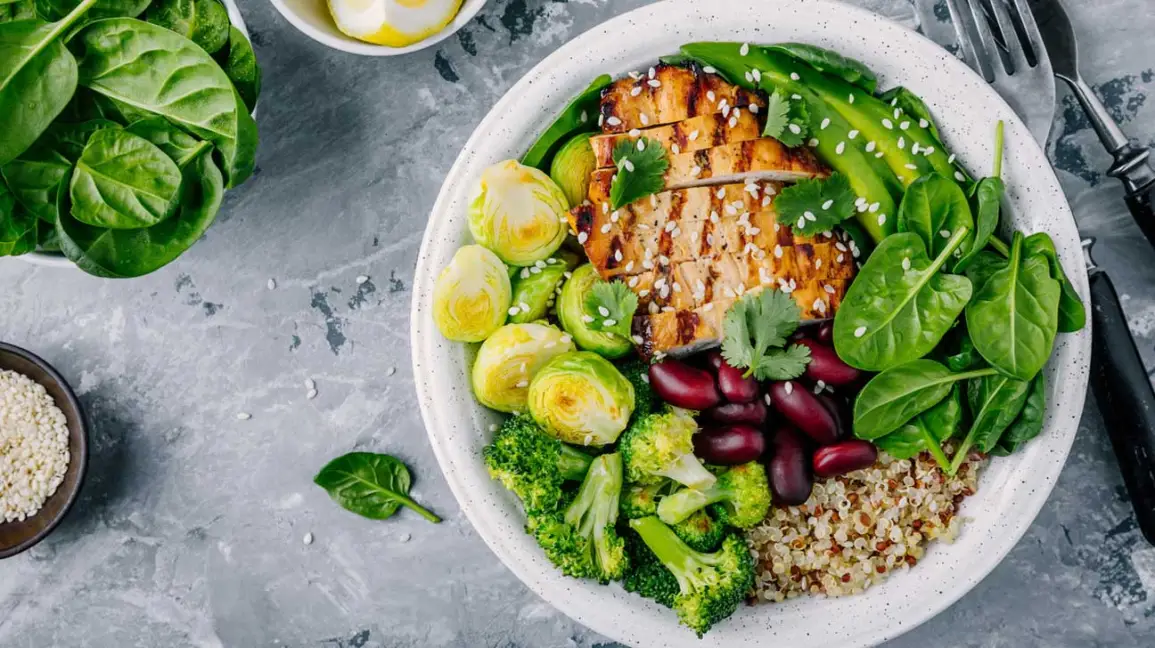
Achieving your fitness and nutrition goals can feel impossible when life is hectic. Meal prep gets sidelined, and the drive-thru becomes a necessary pit stop. You’re left guessing about protein content, often defaulting to familiar choices that might not align with your targets. This disconnect between intention and convenience is where progress stalls.
It doesn't have to be this way. With the right strategy, fast food can be a tool, not a trap. The key is moving from guesswork to data-driven decisions, ensuring every meal—even the quick ones—contributes to your daily protein intake. This requires a shift in how you view the menu.
This guide provides that strategy. We’ll explore how to leverage tools like a fast food protein calculator, decode restaurant nutrition information, and build a framework for making optimal protein choices anywhere. You’ll learn to navigate any menu with confidence, turning a potential dietary derailment into a strategic step toward your goals.
Why Protein Matters for Your On-the-Go Lifestyle
Protein is the building block for muscle repair, supports satiety to curb cravings, and requires more energy to digest than carbs or fats—a metabolic boost known as the thermic effect of food. For anyone with fitness or body composition goals, hitting your daily protein target is non-negotiable.
When you’re busy, missing your protein mark is easy. A low-protein fast food meal can leave you hungry again in an hour, leading to overeating later. Conversely, a protein-rich choice provides sustained energy, helps preserve lean muscle mass during calorie deficits, and keeps you on track. Understanding this turns fast food from a compromise into a calculated component of your nutrition plan.
How a Fast Food Protein Calculator Transforms Your Choices
A fast food protein calculator is more than just a database. It’s a decision-making engine. You input your target—say, 35 grams of protein per meal—and it filters the overwhelming menu down to options that meet your criteria. This eliminates analysis paralysis at the ordering kiosk or speaker.
The best calculators go beyond simple listings. They allow you to customize for calories, carbs, or fats, showing you the trade-offs. For example, you might see that adding cheese adds 5 grams of protein but also 100 calories. This empowers you to make an informed choice based on your entire daily budget, not just one macro. Using a reliable fast food protein calculator is the fastest way to cut through marketing and see the real nutritional value of each item.
Beyond Protein: The Full Nutrition Picture
While protein is our focus, smart eating requires context. A calculator helps you avoid pitfalls like meals that are high in protein but also excessively high in sodium, saturated fat, or added sugars. Look for tools that provide this full spectrum of data. A balanced choice supports not just muscle growth but also heart health and sustained energy levels.
Building Your Protein-Priority Fast Food Framework
You won’t always have a calculator app open. Building a mental framework ensures you can make good choices under any circumstance. This framework rests on three pillars: prioritizing whole protein sources, mastering the art of customization, and knowing which sides to choose.
Pillar 1: Identify the Primary Protein Source
Scan the menu for items built around recognizable protein. Grilled chicken breasts, lean beef patties, eggs, and black beans are reliable foundations. Breaded, crispy, or “crispy” descriptors often signal added fats and carbs that dilute protein density. A grilled chicken sandwich will almost always offer a better protein-to-calorie ratio than a breaded chicken patty.
Pillar 2: Customize Your Order
Don’t accept the default build. Customization is your most powerful tool.
● Boost Protein: Add an extra grilled chicken patty, a side of eggs, or black beans.
● Optimize the Rest: Request sauces and dressings on the side, swap mayo for mustard, choose a lettuce wrap instead of a bun (if it fits your carbs/calories), and load up on free veggies like lettuce, tomato, and onions for volume.
Pillar 3: Choose Sides Wisely
The side dish can make or break your meal’s nutritional profile. Avoid the temptation of fries or sugary drinks. Opt for:
● A side salad with a vinegar-based dressing.
● A fruit cup or apple slices.
● A plain baked potato (add your own seasoning).
● A small chili or bean-based side.
● Simply skipping the side and doubling down on your main protein source.
Putting It Into Practice: Real-World Menu Hacks
Let’s apply the framework to common fast food categories.
At a Burger Joint: Order a double cheeseburger but remove the top bun and ketchup. You get two beef patties and cheese for substantial protein, with reduced refined carbs and sugar. Pair it with a side salad instead of fries.
At a Chicken Restaurant: Choose grilled chicken nuggets or a grilled chicken sandwich over any fried option. Skip the sugary sauces like sweet & sour or barbecue; opt for hot sauce or mustard.
At a Mexican Chain: A bowl is your best friend. Start with a base of lettuce or rice, add grilled chicken or steak, include black beans, and top with pico de gallo, lettuce, and guacamole. Skip the sour cream, queso, and fried tortilla shell.
For those seeking a more advanced, personalized approach, a comprehensive nutrition assistant for fast food can analyze your entire day’s dietary needs and suggest the optimal meal based on what you’ve already eaten, taking the guesswork to a new level.
Tracking and Consistency: The Final Step
Knowing what to order is half the battle; consistency is the other. Use a basic nutrition tracking app for a week to log your fast food choices. This isn’t about restriction—it’s about awareness. You’ll see patterns, like which restaurants make it easiest to hit your targets or which customizations yield the best results.
This practice builds intrinsic knowledge. Soon, you’ll be able to glance at a menu and accurately estimate the protein in a meal, adjusting your order in real-time to stay aligned with your goals. The calculator and framework train you to eventually become your own expert.
Frequently Asked Questions
How accurate are fast food nutrition calculators?
They are highly accurate when they source data directly from the restaurant’s official nutritional information, which most reputable tools do. Keep in mind that minor variations can occur due to portioning by staff, but for planning purposes, the data is reliable.
Can I really build muscle eating fast food?
Yes, provided you are in a caloric surplus with adequate protein. Fast food can supply the protein and calories needed for muscle growth. The challenge is often managing sodium and saturated fat intake, which is why choosing grilled options, customizing, and balancing with whole foods at other meals is crucial.
What is a good protein target for a fast food meal?
Aim for 30-40 grams of protein per meal for most active individuals. This amount promotes satiety and effectively stimulates muscle protein synthesis. Use your total daily goal (often 0.7-1 gram per pound of body weight) divided across 3-4 meals to find your personal target.
Are there any "high-protein trap" items to avoid?
Yes. Be wary of items marketed as "protein-style" or "high-protein" that are still based on fried, breaded meat or loaded with heavy sauces. Always check the actual protein and calorie numbers. A salad with fried chicken and creamy dressing can have more fat and calories than a burger.
How do I handle high sodium in fast food?
Customize by asking for no added salt, choose fresh veggies over pickles or processed cheese, and drink plenty of water. Balance is key—if you have a higher-sodium fast food meal, focus on consuming potassium-rich foods (like bananas, spinach, or potatoes) and low-sodium foods for your other meals that day.
Conclusion
Hitting your nutrition and fitness goals no longer requires avoiding the convenience of fast food. By embracing tools like a protein calculator and internalizing a simple framework for menu navigation, you transform every drive-thru into an opportunity to fuel your body strategically. The power lies in moving from passive consumer to active architect of your meal.
The ultimate goal is sustainable progress. This approach doesn’t demand perfection; it provides a system for making better choices more often. With this knowledge, you can maintain momentum toward your goals, regardless of where life takes you—one smart, protein-packed order at a time.
I love how you're making fast food a viable option for fitness enthusiasts by providing a framework for data-driven decisions - really helpful for those busy days. 😊