Top Tips for Beginners Going on Their First Cabo Fishing Charters
The Pacific Ocean meets the Sea of Cortez off the coast of Los Cabos, Mexico, creating one of the world's most legendary fishing grounds. For a beginner, the prospect of hooking a marlin, dorado, or tuna here is exhilarating, but it can also be daunting. A successful first trip hinges on preparation, not just luck. Knowing what to expect, from selecting the right boat to understanding on-board etiquette, transforms a hopeful gamble into a confident adventure.
This guide strips away the guesswork for first-timers. We’ll walk through the critical steps—from booking the right trip and packing smartly to mastering basic techniques and handling the catch. With these foundational tips, you can focus on the thrill of the fight and the stunning scenery, ensuring your inaugural voyage is memorable for all the right reasons.
Choosing the Right Charter for Your Skill Level
Your choice of boat and crew is the single most important decision you’ll make. Not all charters are created equal, especially for someone new to the sport. The primary options are shared (or "party") boats and private charters. A shared boat is more budget-friendly and offers a social atmosphere, but you’ll have less one-on-one instruction and may have to wait your turn at the rail. For a first-timer, a private charter, while a greater investment, provides a tailored experience. The crew can dedicate their time to teaching you, adjusting tactics to your comfort level, and ensuring you get hands-on time with the gear.
When researching, look for operations with a strong reputation for customer service and patience with novices. Read recent reviews, specifically looking for mentions of beginner-friendly crews. A reputable captain and mate are educators as much as they are fishermen. Don’t hesitate to communicate your experience level (or lack thereof) when booking. The best Cabo fishing charters will ask questions about your goals and experience to match you with the right boat and crew for the day.
Understanding Charter Inclusions
Before you book, clarify what’s included. A standard package should cover the boat, crew, fishing gear, bait, and fishing licenses. It should also include the cleaning and filleting of your catch. What’s often not included are tips for the crew (typically 15-20% of the charter cost), food and drinks (though many boats offer coolers for your provisions), and hotel transportation. Knowing this upfront prevents surprises and lets you budget accurately for the full cost of your day.
What to Pack: The Essentials Beyond Sunscreen
Packing strategically maximizes comfort and safety, letting you focus on fishing. The Cabo sun is intense, and the ocean can be deceptive; you can get burned even on overcast days.
● Sun Protection: A high-SPF, waterproof sunscreen is non-negotiable. Reapply every two hours. Bring a wide-brimmed hat, polarized sunglasses (they cut glare on the water, helping you see fish), and a long-sleeved, moisture-wicking shirt.
● Apparel and Footwear: Dress in layers. Mornings can be cool, but it heats up quickly. Wear lightweight, quick-dry pants or shorts. Non-marketing, closed-toe shoes with non-slip soles (like boat shoes or sneakers) are essential for stability on a wet deck. Avoid sandals.
● Miscellaneous Must-Haves: Motion sickness medication is crucial if you’re prone to queasiness. Take it before you leave the dock, as directed. Bring a reusable water bottle to stay hydrated. A small dry bag for your phone, wallet, and keys is wise. Finally, bring cash in small bills for tipping the crew and for any incidentals at the marina.
On-Board Etiquette and Safety Briefing
When you step onto the boat, you’re entering the crew’s workplace. Respecting basic etiquette ensures a smooth and safe trip for everyone. First, listen intently to the safety briefing. It will cover the location of life jackets, first-aid kits, and how to move around the boat safely. Always follow the captain’s and mate’s instructions immediately—they are for your safety and the success of the fishing.
Keep your gear stowed in the designated areas to avoid creating trip hazards. If you’re not sure where something goes, ask. Be mindful of your fellow anglers when a fish is on; clear the lines and give the person fighting the fish plenty of room. The crew will handle the gaffing and boating of the fish; do not attempt to lift a large fish over the rail yourself unless instructed. A good attitude and a willingness to learn go a long way.
Basic Fishing Techniques You Should Know
You don’t need to be an expert, but a grasp of the fundamentals will make your day more engaging and productive. The mate will do most of the tackle setup, but you should understand the two primary methods you’ll encounter:
● Trolling: This involves dragging lures or baited lines behind the moving boat to cover water and attract predatory fish like marlin, sailfish, and tuna. When a fish strikes, the captain will call “Fish on!” and the mate will hand you the rod. Your job is to get into the fighting chair or brace against the rail, keep the rod tip up, and reel when you can.
● Live Bait Fishing: When the boat stops at a promising spot, the mate may switch to fishing with live bait. You’ll be taught how to free-spool the bait out, let the fish take it, and then how to set the hook with a firm upward motion of the rod.
The universal rule is to let the crew guide you. They will tell you when to reel, when to pump the rod, and when to rest. The key is to maintain steady pressure and avoid “high-sticking” (lifting the rod too vertically), which can break the line.
The Catch: Handling, Photos, and Processing
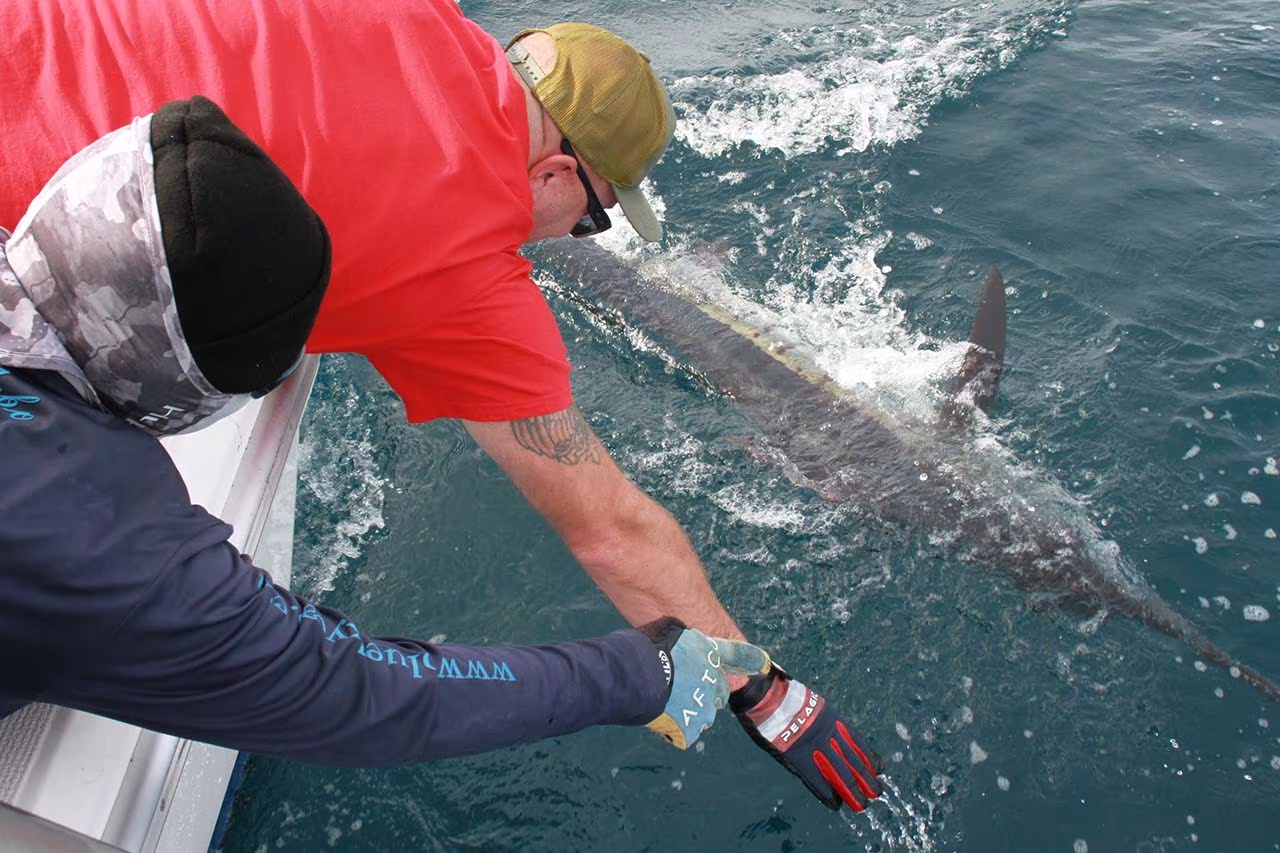
Hooking and landing a fish is the peak of the excitement, but the process isn’t over. For billfish like marlin and sailfish, Cabo practices a strong catch-and-release culture. The crew will work quickly to bring the fish alongside the boat, remove the hook or cut the leader, and revive it for release. You’ll get an action photo with the fish in the water beside the boat—a perfect trophy shot that supports conservation.
For species you can keep, like dorado (mahi-mahi), tuna, or wahoo, the crew will gaff and boat the fish. They will then humanely dispatch and store it on ice. At the end of the trip, back at the marina, they will clean and fillet your catch. You can often take your fillets to a local restaurant to be prepared for your dinner that night—an incredibly rewarding way to end the day. Researching reputable Cabo san Lucas fishing charters with experienced crews ensures this entire process is handled professionally and ethically.
Managing Expectations and Embracing the Experience
A common mistake for beginners is fixating solely on catching a trophy marlin. While the potential is there, ocean fishing is called “fishing,” not “catching,” for a reason. Some days the fish are biting aggressively; other days they are elusive. Embrace the entire experience: the sight of humpback whales breaching in the distance, the pods of dolphins riding the bow wave, the sheer beauty of the Baja coastline.
Your goal should be to learn, enjoy the ocean environment, and have fun. Ask the crew questions. Enjoy the camaraderie. Savor the time on the water. If you do land a fish, it’s a fantastic bonus. This mindset relieves pressure and guarantees you return to shore with positive memories, regardless of the final tally.
Frequently Asked Questions
What is the best time of year for fishing in Cabo?
Cabo offers great fishing year-round, but the target species change. Summer and fall (June-November) are peak for marlin, sailfish, and dorado. Winter and spring (December-May) are excellent for yellowfin tuna, wahoo, and inshore species like roosterfish.
Do I need a fishing license for a charter in Cabo?
Yes, everyone on board must have a valid Mexican sportfishing license. Reputable charters always include this in the price of your trip and handle the paperwork for you. Always confirm this is included when booking.
How much should I tip the crew?
Tipping is customary and a significant part of the crew’s income. A standard gratuity is 15-20% of the total charter cost, to be split between the captain and mate. Tip in cash (U.S. dollars or Mexican pesos) at the end of the trip.
What happens if I get seasick?
Inform the crew immediately. They can often suggest a spot on the boat with less motion, like the center near the back. Look at the horizon, stay on deck in the fresh air, and avoid going inside. Prevention with medication taken beforehand is by far the best strategy.
Can we eat the fish we catch?
Absolutely. Species like dorado, tuna, and wahoo are excellent table fare. The crew will clean and fillet your keepable catch. Most marinas have restaurants that will cook your fresh fillets for you for a small fee—a must-do experience.
What should I do with my fish if I can’t take it home?
You have several options. You can donate it to the crew (a generous gesture), give it to a local charity or family through the crew’s connections, or have it prepared at a restaurant for your immediate consumption. The crew can advise you on the best choice.
Conclusion
Your first Cabo fishing charter is a gateway to one of the planet's great angling adventures. Success lies in the preparation: selecting a beginner-friendly charter, packing the right gear, and arriving with a mindset ready to learn and adapt. By understanding basic techniques, respecting on-board protocols, and managing your expectations, you set the stage for a rewarding day, whether you’re battling a marlin or simply soaking in the majestic marine environment.
The true catch is the experience itself—the skill gained, the stories collected, and the connection forged with the ocean. With these tips in hand, you’re no longer just a beginner hoping for a bite; you’re an informed angler ready to participate fully in the timeless pursuit of saltwater fishing. Tight lines.