Understanding Cannabis Vape Products in the UK: Safety, Legality, and What Consumers Should Know
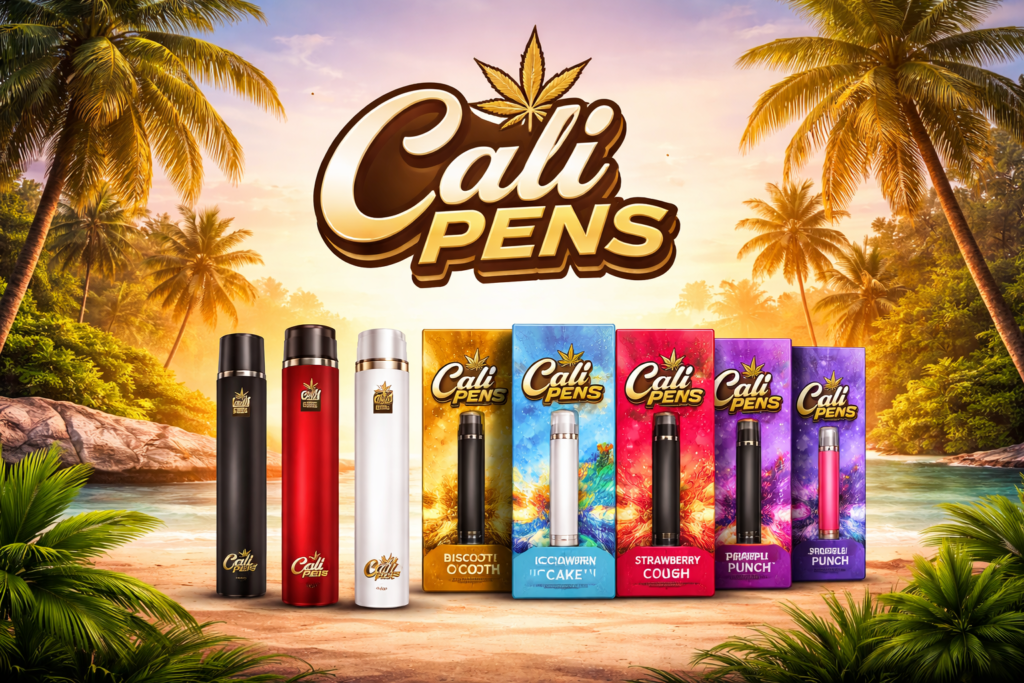
Why Cannabis Vape Products Get So Much Attention
Cannabis vape products have become a hot topic in the UK. You hear about them online, see them discussed in forums, and notice growing interest around discreet devices, strain names, and fast-acting effects. It is easy to see why. Vaping feels modern, compact, and convenient. For many people, it looks like the sleek smartphone of the cannabis world.
But convenience can be deceptive. A polished device does not automatically mean a safe product. A stylish package does not prove legal compliance. And a product label saying “premium” means very little if there is no trustworthy testing behind it.
That is why understanding the basics matters. Before anyone even thinks about cannabis vape products, they should know what they are, how they differ, what risks may be involved, and where UK law stands.
What Are Cannabis Vape Products?
Cannabis vape products are devices or cartridges designed to heat cannabis-derived oil or extract into vapor rather than burn plant material. That usually means the user inhales aerosol created from concentrated ingredients.
Some products are designed for one-time use, while others are rechargeable or refillable. The oil inside may contain THC, CBD, or a mix of cannabinoids depending on the formulation.
The biggest thing to understand is simple: not all cannabis vape products are the same. Some may be made under strict controls. Others may come from completely unknown sources. That difference matters more than most people realize.
The Difference Between THC and CBD
This is where many people get confused.
THC Explained
THC, or tetrahydrocannabinol, is the psychoactive compound in cannabis. It is the ingredient most associated with the “high.” When people talk about strong effects, altered perception, or euphoric sensations, they are usually talking about THC.
CBD Explained
CBD, or cannabidiol, is different. It does not usually create the same intoxicating effects as THC. Because of that, CBD products are often discussed in wellness spaces more than recreational ones.
Why the Distinction Matters
Mixing up THC and CBD is like confusing coffee with herbal tea. They may both come in cups, but the experience can be very different. In the UK, this distinction is especially important because the legal treatment of these substances is not the same.
How Disposable Cannabis Vapes Work
Disposable cannabis vapes are single-use devices that come pre-filled and pre-charged. Once the oil runs out or the battery dies, the device is thrown away.
That sounds simple enough, and that simplicity is part of the appeal. No refilling. No maintenance. No settings to learn.
Still, easy use does not erase important questions. What exactly is in the oil? Was it tested? Is the label accurate? Is the hardware safe? These are not small details. They are the whole story.
Why Product Testing Matters So Much
Testing is one of the most important issues in the vape space. A lab-tested product should be checked for potency, contamination, residual solvents, heavy metals, pesticides, and microbial risks.
Without proper testing, consumers are relying on trust alone. And trust, when it comes to inhaled products, is a flimsy shield.
Imagine buying bottled water with no seal, no label, and no source listed. You would probably hesitate. The same logic applies here, except the stakes may be even higher because the product is going directly into the lungs.
The Risk of Unverified Vape Products
Unverified vape products can create serious problems. Some may contain inaccurate cannabinoid levels. Others may include thinning agents, synthetic additives, or contaminants that should never be inhaled.
This is one reason many people search terms like Cali Vape when trying to understand the market. Names and branding can sound impressive, but branding is not the same as transparency.
A product should be judged by evidence, not aesthetics.
Common Ingredients Found in Vape Oils
Vape oils may contain several components besides cannabinoids.
Cannabinoid Extracts
These may include THC, CBD, or other cannabis-derived compounds.
Terpenes
Terpenes are aromatic compounds that influence flavor and scent. They can make a product smell fruity, earthy, citrusy, or piney.
Carrier or Cutting Agents
Some products include additives to change consistency or vapor production. This is an area where caution is essential because not every additive is appropriate for inhalation.
Flavoring Agents
These may be natural or artificial. Again, the key issue is whether the product is responsibly formulated and tested.
Why Strain Names Attract Buyers
Strain names are a huge part of cannabis culture. They create identity, expectation, and a sense of experience. Some names suggest calm. Others suggest energy. Some sound exotic, while others sound like they came straight from a candy store.
But strain names can also create false confidence. A recognizable name does not guarantee authenticity. It is more like a movie title than a verified ingredient list. The real question is whether the product actually matches what it claims to contain.
The Legal Position in the UK
This is where caution becomes essential. In the UK, THC is generally a controlled substance. That means products containing THC may be illegal to possess, supply, or market unless they fall within a very narrow lawful framework such as specific medical access routes.
That legal reality changes the conversation completely. A product can be trendy online and still be unlawful. A website can look polished and still raise legal concerns. Consumers should never assume availability equals legality.
Why Consumers Need to Read Labels Carefully
A good label should do more than look attractive. It should clearly identify the ingredients, cannabinoid content, batch details, manufacturer information, and any available testing references.
If a label is vague, missing key details, or overloaded with flashy claims, that should raise eyebrows. Good products explain themselves. Bad products hide behind buzzwords.
Think of a label like a passport. If it does not tell you where the product came from and what is inside, that is a problem.
Questions People Should Ask Before Trusting a Product
Is There Independent Lab Testing?
A proper certificate of analysis should come from a credible third-party laboratory.
Are the Ingredients Clearly Listed?
Consumers should know exactly what they are inhaling.
Does the Packaging Make Unrealistic Claims?
Overblown promises are often a warning sign.
Is the Source Transparent?
Reliable sellers usually provide clear business details, policies, and traceable product information.
Health Considerations People Should Not Ignore
Vaping is often described as smoother than smoking, but smoother does not mean risk-free. Inhaled products can affect the lungs, throat, and overall respiratory comfort. Potent extracts may also cause stronger-than-expected effects, particularly for inexperienced users.
This is especially relevant when people search terms like Cali Pens and assume the category is straightforward. It is not. Potency, source quality, ingredients, and legality all shape the real-world risk.
The product type may look simple, yet the health considerations are layered and serious.
The Problem With Counterfeit Devices
Counterfeit vape devices are a major issue in many markets. Some imitate well-known packaging, use fake logos, or copy strain names to appear legitimate.
The danger is obvious. A counterfeit product may contain entirely different ingredients from what the packaging suggests. That means the buyer is not just choosing a product. They may be stepping into the unknown.
And when inhalation is involved, the unknown is not where anyone wants to be.
What Makes a Consumer More Vulnerable to Bad Products
Some people are more likely to get misled than others, especially when they are new to vaping or unfamiliar with cannabis terminology.
Lack of Product Knowledge
If someone does not know the difference between cannabinoids, additives, and device types, flashy marketing can fill the gap.
Attractive Branding
Clean packaging can create a false sense of legitimacy.
Urgency and Convenience
Fast delivery or scarcity language can push rushed decisions.
Social Proof
Online hype is not the same as verified safety.
Why Discretion Should Never Replace Due Diligence
Discreet packaging and subtle design are often marketed as key features. For some buyers, privacy matters. That is understandable. But discretion should never distract from the bigger questions.
A plain box tells you nothing about legality. A slim device tells you nothing about contamination. A quiet delivery tells you nothing about manufacturing standards.
In other words, stealth is not safety.
Medical Context Versus Recreational Marketing
There is an important difference between medically regulated access and casual online marketing. Medical frameworks usually involve tighter oversight, professional involvement, and specific legal pathways. Recreational-style promotion, especially for controlled substances, is a very different matter.
That is why consumers should be careful not to blur the two. A product that looks polished online is not automatically part of any lawful medical system.
How to Approach Cannabis Information Responsibly
The safest mindset is a skeptical one. Not fearful, just thoughtful. Consumers should verify claims, understand UK law, avoid impulse decisions, and treat inhaled products with real caution.
That means reading beyond headlines, looking for credible evidence, and refusing to rely on branding alone. The cannabis vape space can feel fast-moving and exciting, but it should be approached with the same care you would use for any product that directly affects your body.
Conclusion
Cannabis vape products sit at the intersection of curiosity, convenience, and controversy. They are often marketed as modern, smooth, and easy to use, but the real story is more complicated. Questions around THC content, testing, device safety, counterfeit goods, and UK legality all matter far more than trendy names or sleek packaging.
Anyone exploring this topic should slow down and think critically. In a market full of noise, the smartest move is not chasing hype. It is asking better questions.
FAQs
1. Are all cannabis vape products legal in the UK?
No. Products containing THC are generally subject to strict legal controls in the UK. People should not assume a product is lawful just because it is advertised online.
2. What is the main difference between THC and CBD vapes?
THC is psychoactive and typically associated with intoxication, while CBD usually does not produce the same kind of high. Their legal treatment can also differ.
3. Why is lab testing important for vape products?
Lab testing helps identify potency, contaminants, solvents, heavy metals, and other safety concerns. Without testing, it is difficult to know what a product actually contains.
4. Are disposable vape pens safer than refillable ones?
Not necessarily. Safety depends more on formulation quality, testing, and manufacturing standards than on whether the device is disposable or refillable.
5. How can someone spot a questionable vape product?
Warning signs include vague labels, no third-party testing, unrealistic claims, unclear sourcing, and packaging that looks highly branded but provides little real information.