What the “I Believe You” Movement Means for Survivors
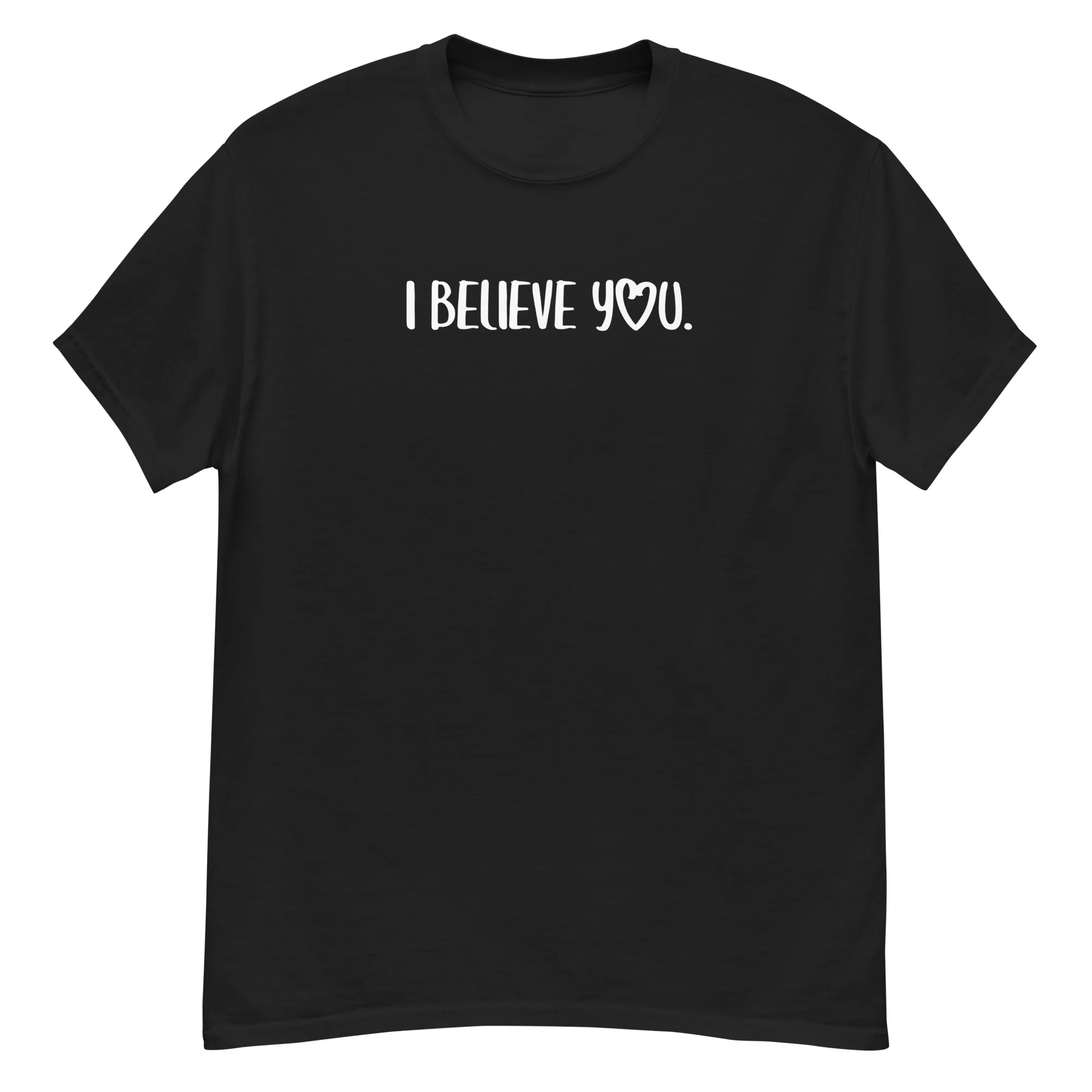
Three words can change the way someone carries a heavy story: “I believe you.” For survivors of harassment, abuse, or assault, being doubted is often a second injury layered on top of the first. The “I Believe You” campaign exists to make those three words visible, wearable, and impossible to ignore — and to turn everyday support into meaningful help for the people and organizations doing frontline work.
Why Belief Matters
Research on disclosure consistently shows that the first response a survivor receives shapes their entire recovery. A supportive, believing reaction is linked to better outcomes, while disbelief or blame can deepen isolation and silence. That is why the campaign centers a message that is deliberately simple. It is not a slogan engineered for controversy; it is an affirmation that anyone can offer and anyone can wear.
When a message like this shows up on a hoodie at the grocery store, on a tee at a community event, or in a photo shared online, it sends a quiet signal to people who may be struggling alone: there are others who will listen without judgment.
From a Statement to a System of Support
The campaign is built so that wearing the message and funding the work happen at the same time. A portion of proceeds from the “I Believe You” line supports women’s shelters and survivor-services organizations. That means the shirt is not only a statement — it is a contribution to crisis lines, safe beds, counseling, and advocacy.
You can explore the full collection at goteamgear.ca, where each design carries the same core promise of solidarity.
How You Can Take Part
Supporting the movement does not require a grand gesture. It can be as simple as choosing to believe a friend when they confide in you, sharing a survivor resource, or wearing a piece that starts a conversation. Small, consistent acts of belief build the kind of culture where survivors feel safe coming forward.
Your "I Believe You" campaign is a powerful reminder of the importance of a supportive first response for survivors, and its impact is evident in the research on disclosure outcomes. 💖