Step-by-Step Guide to Using Kuteras Teknoloji's Automatic External Defibrillator: Empowering Bystanders in Cardiac Emergencies
Sudden cardiac arrest can happen anywhere—at home, work, or in public—and the window for effective intervention is extremely narrow. An automatic external defibrillator (AED) from Kuteras Teknoloji bridges that gap by providing clear, reliable guidance to anyone willing to help. Designed with non-experts in mind, these devices use voice prompts, visual cues, and automated analysis to make defibrillation straightforward and safe. This article walks through the practical steps for using a Kuteras automatic defibrillator, highlighting features that enhance user confidence and improve outcomes.
Preparation: Recognize the Emergency and Act Quickly
Before reaching for the AED defibrillator, confirm the signs of cardiac arrest: the person is unresponsive, not breathing normally (or only gasping), and has no detectable pulse. Shout for help and direct someone to call emergency services (112 in Turkey) immediately while you or another person retrieves the nearest AED. Start hands-only CPR if trained—push hard and fast in the center of the chest at 100–120 compressions per minute—until the device arrives. Early CPR buys critical time; the AED builds on that foundation.
Kuteras AEDs are often placed in visible wall cabinets with clear signage for quick access. Once retrieved, open the case—the device typically powers on automatically, initiating voice instructions right away.
Core Usage Steps: Following the Device's Lead
Kuteras automatic defibrillators guide users through a logical, stress-reducing sequence:
- Power On and Prepare the ChestThe device activates upon opening or via a prominent power button. It immediately speaks: "Turn on AED" or similar confirmation, then instructs to expose the chest. Remove or cut away clothing to bare the skin. If the chest is wet (sweat, water), quickly wipe it dry with a cloth or the provided prep pad. This ensures strong pad adhesion and accurate analysis.
- Apply the Electrode Pads CorrectlyPeel the backing from the two adhesive pads (electrodes). The device displays or describes placement: one pad on the upper right chest (just below the collarbone), the other on the lower left side (below the armpit, along the mid-axillary line). Diagrams on the pads themselves and on the device screen reinforce correct positioning. Press firmly to secure—no air bubbles or wrinkles. For children under 8 years or 25 kg, use pediatric mode if available (via key, button, or dedicated pads) to reduce energy delivery.
- Allow Rhythm AnalysisPlug the pad connector into the device if not pre-connected. Step back and announce "Clear!" or "Stand back!" The AED analyzes the heart rhythm in seconds—voice prompt: "Analyzing heart rhythm. Do not touch the patient." Everyone must avoid contact to prevent interference with the ECG reading.
- Follow Shock InstructionsIf a shockable rhythm (ventricular fibrillation or pulseless ventricular tachycardia) is detected, the device charges automatically and announces: "Shock advised. Charging." In fully automatic models, it delivers the biphasic shock without further input. In semi-automatic versions, it prompts: "Press the orange shock button now." Ensure no one touches the person—announce "Clear!" again. The shock is brief and safe.
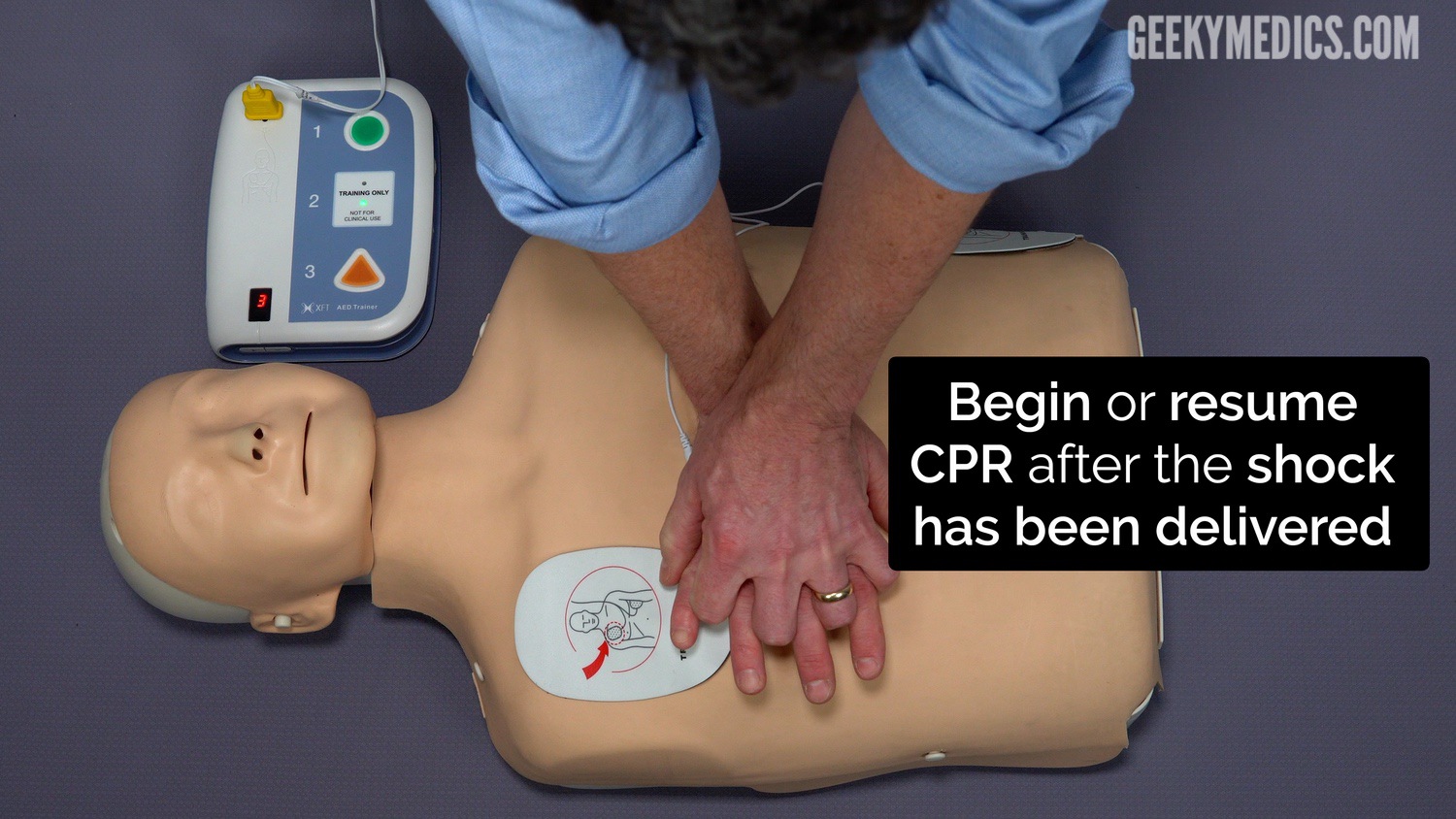
- Resume CPR ImmediatelyRight after the shock (or if no shock is advised), the device instructs: "Start CPR." Follow prompts for compression rate and depth, often with a built-in metronome. Continue for about two minutes until the AED re-analyzes. Repeat cycles as directed until emergency responders arrive or the person shows signs of life (breathing, movement).
Additional Kuteras Features That Simplify the Process
Kuteras devices incorporate biphasic waveform technology with impedance compensation for effective shocks at lower energies, reducing risk to the heart. Real-time CPR feedback (voice or visual cues on compression quality) helps maintain high-quality chest compressions. Multilingual prompts accommodate diverse users in Turkey and export markets. Self-testing ensures the device is ready when needed, with alerts for low battery or expired pads.Post-Event Actions
Once professionals take over, leave the pads in place if possible (they provide continued monitoring). Note the event time and any observations for the medical team. Kuteras AEDs often store usage data for download, aiding review and program improvement.Using a Kuteras automatic defibrillator / otomatik defibrilatör requires no prior medical training—the device literally talks you through every action. By following these steps calmly, bystanders can increase survival chances significantly when combined with prompt CPR. Placing more AED defibrillators in communities and encouraging basic awareness turns ordinary people into potential lifesavers.