Precision Sand Casting for Robotic Products: Building Stronger, Lighter, Smarter Robot Components
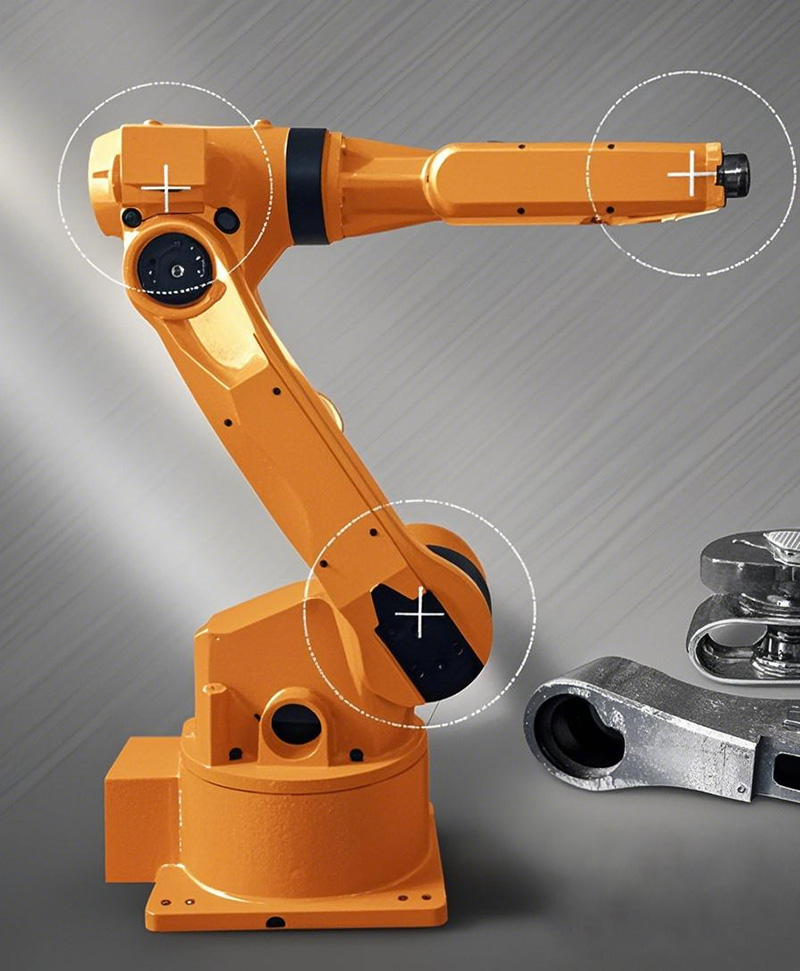
Robotics is moving at a speed that feels almost unreal. Machines that once performed simple, repetitive jobs are now lifting, welding, assembling, sorting, scanning, transporting, and even working side by side with humans. But behind every smooth robotic movement, there is a hidden world of carefully engineered parts. These parts must be strong, accurate, lightweight, and reliable.
That is where Precision Sand Casting plays a major role.
Precision sand casting helps manufacturers create complex robotic components with excellent strength, flexible design options, and cost-effective production. It is especially useful for robot arms, joints, brackets, housings, bases, and custom mechanical structures. In simple words, it gives robot makers the freedom to build parts that are not only tough but also smartly designed.
Why Robotic Products Need High-Quality Cast Components
Robots depend on accuracy. A small mistake in one part can affect the whole system. If a joint is slightly misaligned, the robot may lose movement precision. If a housing is too heavy, the motor may work harder. If a structural part is weak, the robot may fail under repeated stress.
Think of a robot as a human body. The software is the brain, the motors are the muscles, the sensors are the nerves, and the cast components are the bones. If the bones are weak or poorly shaped, the entire body struggles.
This is why robotic products need components that are engineered with care from the beginning.
What Is Precision Sand Casting?
Precision sand casting is a manufacturing process where molten metal is poured into a specially prepared sand mold. Once the metal cools and hardens, the mold is removed, and the part is cleaned, finished, machined, and inspected.
Traditional sand casting has been around for a long time, but modern precision sand casting is much more advanced. It uses better molding techniques, improved materials, casting simulation, CNC machining, and strict quality checks to produce parts with better accuracy and consistency.
For robotics, that extra precision matters a lot.
Why Sand Casting Works Well for Robotic Applications
Robotic parts are often complex. They may include curved surfaces, mounting areas, internal spaces, reinforcement ribs, hollow sections, and special shapes that are difficult to produce with basic manufacturing methods.
Sand casting gives engineers more freedom to design these complex parts. Instead of being limited to simple shapes, manufacturers can create components that match the real needs of the robot.
That means better performance, better weight control, and better durability.
Design Flexibility for Complex Robot Parts
One of the biggest advantages of precision sand casting is design flexibility. Robotic components do not always need the same thickness everywhere. Some areas need extra strength, while others can be made thinner to reduce weight.
With sand casting, engineers can place metal exactly where it is needed. This helps create stronger parts without making them unnecessarily heavy.
For example, a robotic arm may need reinforced areas around joints and mounting points, but lighter sections along the arm body. Sand casting makes that kind of optimized design easier to achieve.
Lightweight Components for Faster Robots
Weight is a big deal in robotics. A lighter robot arm can move faster, stop more smoothly, and use less energy. It also puts less strain on motors, gears, and bearings.
This is one reason aluminum sand casting is popular for robotic products. Aluminum offers a strong balance of light weight, strength, corrosion resistance, and machinability. When used correctly, it helps manufacturers create robotic parts that are durable without being bulky.
In robotics, every gram counts. A lighter part may seem like a small improvement, but across the whole robot, it can make a major difference.
Strength and Durability for Repeated Motion
Robots repeat the same movements thousands or even millions of times. A robotic joint may rotate all day. A robot arm may lift and place objects every few seconds. A base may support constant vibration and load.
This repeated motion puts serious stress on components.
Precision sand casting can help create parts that handle these demands. By choosing the right material, designing the right structure, and controlling the casting process carefully, manufacturers can produce components that resist cracking, bending, and early wear.
Cost-Effective Production for Prototypes and Small Runs
Not every robotic product begins with mass production. Many projects start with prototypes, trial batches, and small production runs. In these early stages, companies may need to test different shapes, materials, and designs.
Precision sand casting is a practical option because it can be more cost-effective than processes that require expensive permanent molds. It also allows design changes more easily, which is useful during product development.
For startups, engineering teams, and custom robotics companies, this flexibility can save both time and money.
Faster Development for Robotic Innovation
The robotics industry is all about innovation. Designs change quickly. Engineers test one version, find improvements, and then adjust the next design.
A robot bracket may need extra support. A housing may need better cable access. A joint component may need to be lighter. A base may need more stability.
Precision sand casting supports this development process because it gives manufacturers room to adjust and improve designs before final production. That makes it easier to move from idea to prototype and from prototype to production.
How Casting Simulation Improves Results
Modern casting is not based on guesswork. Before the metal is poured, engineers can use casting simulation to study how the molten metal will flow, cool, and solidify.
This helps identify possible problems before production begins. Issues such as shrinkage, porosity, weak areas, or uneven cooling can often be predicted and reduced.
For robotic components, this is extremely valuable. Better simulation means fewer defects, stronger parts, and more reliable performance.
Why Surface Finish Matters in Robotics
Surface finish is more than just appearance. In robotics, smooth and accurate surfaces help parts fit together properly. They also reduce extra finishing work and improve the overall quality of the final assembly.
A robotic housing, for example, may need clean mounting surfaces. A joint bracket may need accurate contact points. A base component may need smooth areas for assembly with other machine parts.
Precision sand casting, followed by finishing and machining, can deliver parts that look professional and perform reliably.
Large Robotic Structures Need Casting Freedom
Some robotic components are small and detailed. Others are large and heavy-duty. Industrial robot bases, long arms, structural frames, and machine supports may require larger castings with strong mechanical properties.
Sand casting is useful for these larger structures because it can produce parts in many different sizes. This makes it suitable for both compact robotic systems and heavy industrial robots.
The same process can support small precision parts and large structural parts, depending on the design and production requirements.
Material Options for Robotic Products
Different robot parts need different materials. A lightweight robot arm may need aluminum. A heavy-duty base may need ductile iron. A high-stress component may need a custom alloy.
Precision sand casting supports a wide range of materials, which gives engineers more control over performance. The material can be selected based on strength, weight, vibration resistance, machinability, corrosion resistance, and cost.
This flexibility is one of the reasons casting remains important in modern robotic manufacturing.
Aluminum Sand Casting for Robot Arms
Aluminum sand casting is especially useful for robot arms and moving parts. Since aluminum is lightweight, it helps reduce the total moving mass of the robot.
This can improve speed, energy efficiency, and motion control. It can also reduce wear on motors and transmission systems.
For robots that need fast and repeated movement, aluminum cast parts can provide an excellent balance of strength and weight.
Ductile Iron for Heavy-Duty Robot Parts
Not every robotic part needs to be lightweight. Some components need mass, strength, and vibration resistance. Ductile iron can be a good choice for robot bases, supports, and heavy structural components.
It provides strong mechanical performance and can handle demanding working conditions. For industrial robots that carry heavy loads or operate in tough environments, ductile iron castings may be the better option.
The right choice depends on the job the part needs to perform.
Precision Sand Casting for Collaborative Robots
Collaborative robots, often called cobots, are designed to work near people. This means their parts must support smooth movement, safe operation, compact size, and consistent performance.
Weight control is especially important in cobots. If the components are too heavy, the robot may need larger motors and stronger safety systems. If they are too weak, the robot may not perform reliably.
Precision sand casting can help create balanced, lightweight, and durable parts for robotic products , especially when the design requires both strength and compactness.
The Role of CNC Machining After Casting
Casting creates the basic shape of the part, but robotic components often need additional precision. This is where CNC machining comes in.
CNC machining can create accurate holes, threads, flat surfaces, bearing seats, mounting faces, and other important features. These details are critical for robotic assemblies because parts must fit together perfectly.
The combination of sand casting and CNC machining gives manufacturers the best of both worlds. Casting provides design freedom, while machining provides final accuracy.
Why Quality Control Is Essential
Quality control is not something that can be added at the end. It must be part of the whole casting process.
Robotic parts should be inspected for dimensions, surface quality, internal defects, material properties, and machining accuracy. A small defect can cause big problems once the robot is assembled and operating.
Reliable quality control helps prevent failures, reduce waste, and improve customer confidence.
Custom Casting Solutions for Robot Manufacturers
Every robot is different. A warehouse robot has different requirements from a welding robot. A medical robot has different needs from an agricultural robot. A service robot is not the same as a heavy-duty industrial robot.
That is why custom casting solutions are so important.
Precision sand casting allows manufacturers to create parts that match the exact function of the robot. Instead of forcing engineers to use standard components, casting gives them the freedom to design parts around performance, safety, and efficiency.
Reducing Energy Use Through Better Part Design
A heavy robot needs more energy to move. Larger motors may be required. More power may be consumed. The robot may also experience more wear over time.
By reducing unnecessary weight, precision sand casting can help improve energy efficiency. This is especially useful for robots that operate continuously or rely on battery power.
It is like carrying a backpack. If the backpack is full of things you do not need, every step takes more effort. Robotic systems work the same way. Remove unnecessary weight, and everything moves better.
Improving Robot Life With Better Components
Robots are investments. Companies expect them to operate reliably for years. Poor-quality parts can lead to downtime, repairs, and lost productivity.
High-quality cast components help improve the lifespan of robotic systems. Stronger parts reduce the risk of failure. Lighter parts reduce mechanical stress. Accurate parts improve alignment and movement.
When each component is designed and manufactured properly, the entire robot becomes more dependable.
Choosing the Right Casting Partner
Choosing the right casting partner is just as important as choosing the right material. A good supplier should understand robotic applications, support design improvement, offer material guidance, provide machining services, and maintain strict quality standards.
The best casting partner does more than pour metal. They help improve the part before production begins.
That kind of support can make a big difference, especially when developing advanced robotic products.
What to Look for in a Precision Sand Casting Supplier
A reliable precision sand casting supplier should offer engineering support, casting simulation, multiple material options, CNC machining, finishing services, and strong inspection processes.
They should also be able to handle both prototype projects and production orders. This gives robot manufacturers more flexibility as their products move from testing to full-scale manufacturing.
Communication also matters. When engineers and casting specialists work closely together, the final part is usually stronger, lighter, and easier to produce.
Why Precision Sand Casting Has a Strong Future in Robotics
Robotics will continue to grow. More industries are using robots to improve productivity, safety, accuracy, and efficiency. As robots become more advanced, their components must also become better.
Precision sand casting fits this future well. It supports complex design, material flexibility, lightweight structures, strong mechanical performance, and cost-effective production.
It gives manufacturers the freedom to build parts that are not just functional but optimized.
Conclusion
Precision sand casting is a smart manufacturing solution for robotic products because it combines strength, flexibility, accuracy, and cost control. It helps manufacturers create lightweight arms, durable joints, strong bases, accurate housings, and custom structural components. With the right design, material, casting process, and machining support, robotic parts can become stronger, lighter, and more efficient. As robotics continues to evolve, precision sand casting will remain an important method for building reliable, high-performance robot components.
FAQs
What is precision sand casting used for in robotics?
Precision sand casting is used to make robot arms, joints, brackets, housings, bases, frames, and other structural components that require strength, accuracy, and design flexibility.
Why is aluminum sand casting good for robotic parts?
Aluminum sand casting is useful because aluminum is lightweight, strong, corrosion-resistant, and easy to machine. This makes it ideal for moving robotic parts such as arms and housings.
Is sand casting suitable for robotic prototypes?
Yes, sand casting is suitable for prototypes because it allows flexible design changes and can be more cost-effective than processes that require expensive permanent tooling.
Can precision sand casting produce complex robot components?
Yes, precision sand casting can create complex shapes, internal spaces, reinforced sections, and custom geometries, making it useful for advanced robotic designs.
How does precision sand casting improve robot performance?
Precision sand casting improves robot performance by reducing unnecessary weight, increasing strength, supporting accurate assembly, improving durability, and helping the robot move more efficiently.