The First Whisper of Spring: Celebrating the Snowdrop
In the depths of late winter, when the world is often still gripped by frost and the landscape remains stubbornly gray, a tiny horticultural miracle begins to emerge. The snowdrop (Galanthus) is not just a flower; it is a symbol of resilience, a brave harbinger that signals the slow, steady return of life to the garden.
There is something profoundly poetic about the snowdrop. Often pushing their delicate, bell-shaped white heads through a lingering blanket of snow, they seem to defy the logic of the seasons.
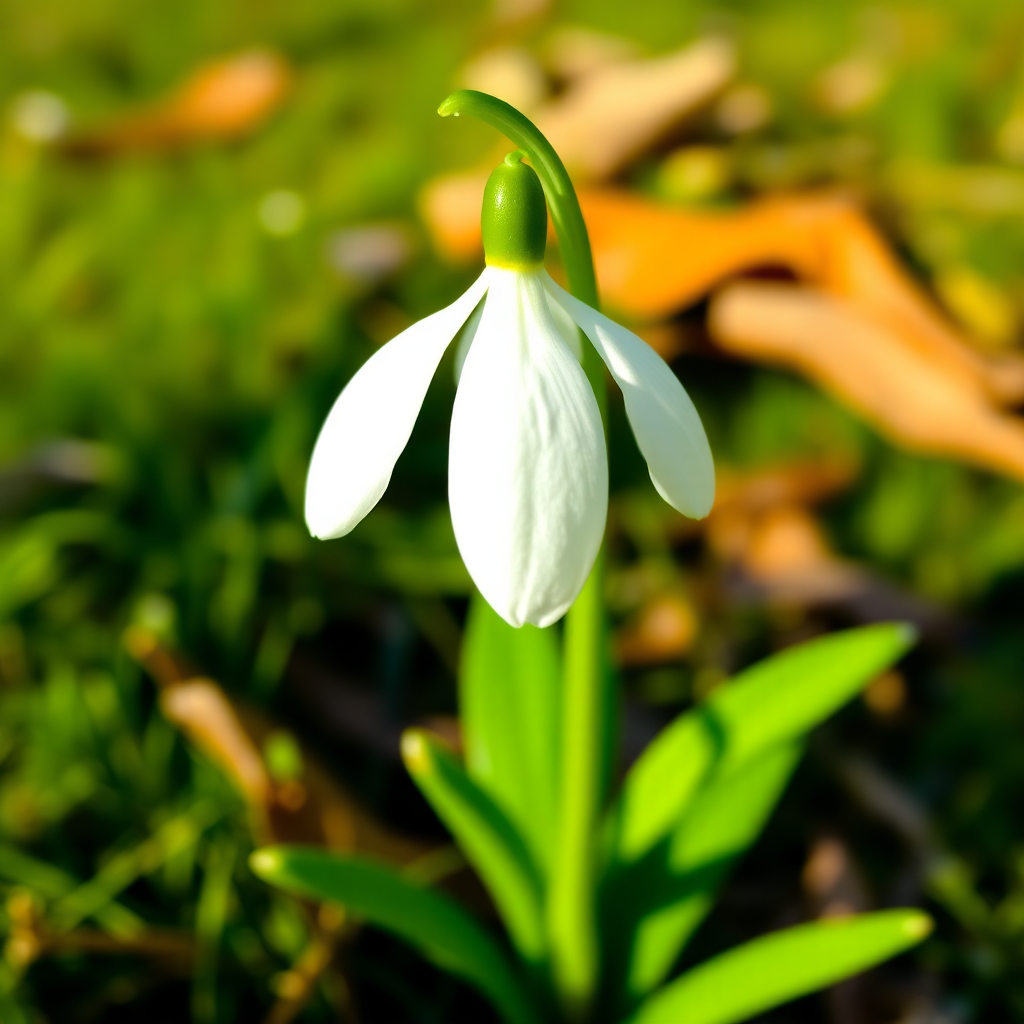
While other plants remain dormant, waiting for the safety of consistent warmth, the snowdrop arrives with a quiet, icy elegance. Their botanical name, Galanthus, is derived from the Greek words gala (milk) and anthos (flower), a nod to their pristine, milk-white petals that glow with an ethereal luminescence against the dark, damp earth.
Beyond their beauty, snowdrops hold a special place in folklore and human sentiment. In many cultures, they are seen as symbols of hope, purity, and the promise of better days ahead. To spot the first patch of these nodding blooms in a woodland or a garden border is to receive a silent message: the worst of the cold is behind us.
For gardeners, these bulbs are a joy to cultivate. They are remarkably low-maintenance, preferring cool, moist soil and dappled shade. Over time, they naturalize, forming dense, snowy carpets that transform a barren winter landscape into a fairytale scene.
As we navigate the tail end of the winter season, take a moment to look down. Whether you find them peeking through your backyard mulch or lining a walking trail in the woods, let the snowdrop serve as a gentle reminder. No matter how long the winter, spring is never truly out of reach.