Physostegia: The “Obedient” Flower That Turns Your Garden into a Living Palette
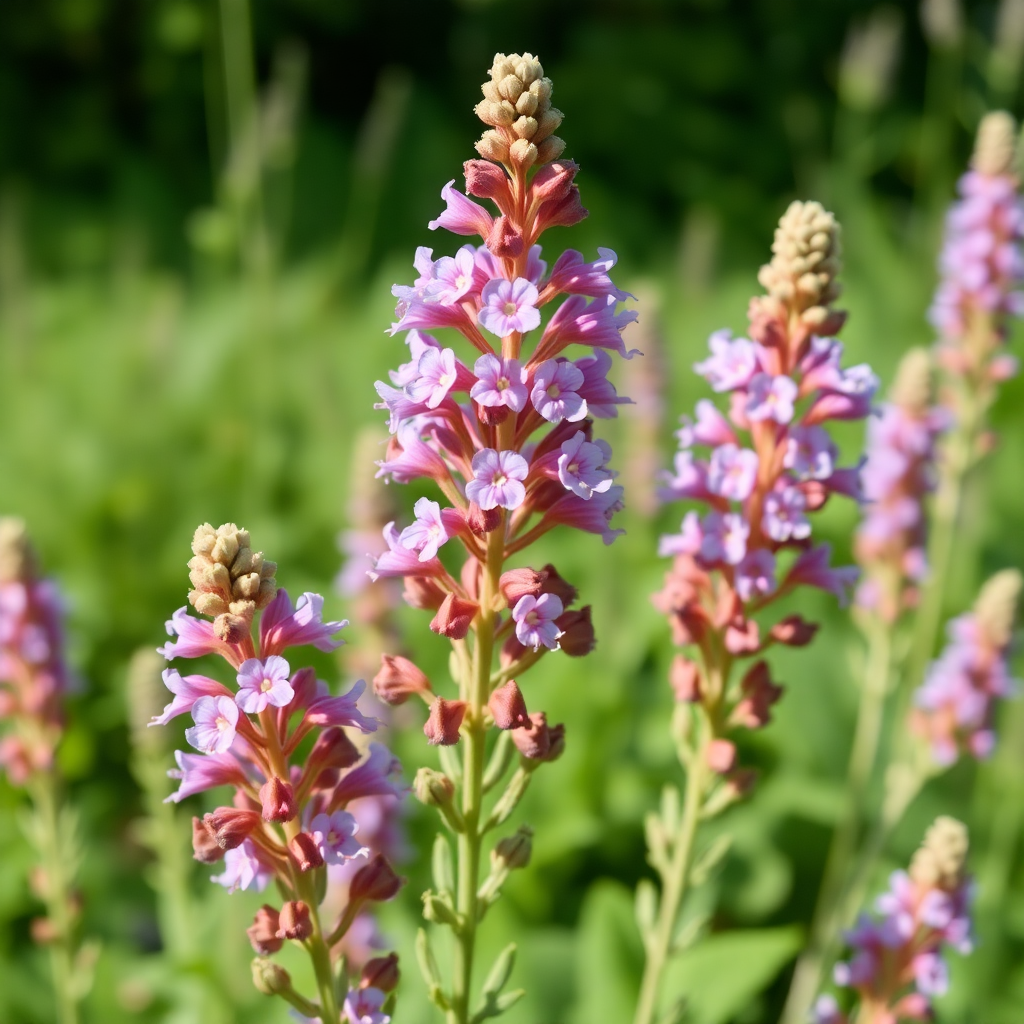
If you’ve ever wandered through a meadow and spotted a spike of pink, white, or lavender blossoms that seem to stare back at you, there’s a good chance you were looking at Physostegia—commonly called the obedient plant. This modest yet striking perennial has been quietly stealing the spotlight in garden beds across North America, and for good reason.
With its dramatic flower spikes, low‑maintenance habits, and surprising versatility, Physostegia is the perfect candidate for anyone who wants a splash of color without the hassle of high‑maintenance horticulture.
What Makes Physostegia Unique?
The name “obedient plant” comes from a playful garden trick: each individual flower can be gently nudged to one side, and it will stay put—a handy reminder that the plant is as forgiving as it is charming. Botanically, Physandria belongs to the mint family (Lamiaceae), sharing a distant kinship with lavender and rosemary.
Its upright stems can reach 3–5 feet, topped with dense racemes of tubular flowers that bloom from midsummer through early fall. The most common cultivar, Physostegia virginiana ‘Marge’, showcases a soft pink hue, but cultivars such as ‘Alba’ (pure white) and ‘Margarita’ (lavender‑purple) add a broader palette to the mix.
Garden Placement & Companion Planting
Because Physostegia thrives in full sun to part shade, it works beautifully at the back of perennial borders, along fence lines, or even in a meadow‑style planting where it can sway in the breeze. Its modest foliage—large, medium‑green, and slightly aromatic—provides a neutral backdrop, allowing the flower spikes to become the focal point.
Pair the obedient plant with:
Salvia ‘Blue Spruce’ – contrasting spike heights and complementary blues.
Coneflower (Echinacea) – similar bloom time, making a dynamic summer display.
Hostas – for a texture contrast in shaded corners.
The vertical habit of Physostegia also makes it an excellent cut flower. A few stems in a vase will bring garden freshness indoors for weeks.
Care Tips for a Healthy Display
Soil: Well‑drained, loamy soil with a pH of 6.0–7.5. Though adaptable, the plant loves a modest amount of organic matter.
Water: Establish roots with regular watering during the first two months; thereafter, moderate moisture suffices. Over‑watering can invite root rot.
Mulch: A 2‑inch layer of shredded bark helps retain moisture and suppress weeds.
Pruning: Cut back stems by one-third after the first flush of blooms. This encourages a second blooming cycle and prevents the plant from becoming leggy.
Division: Every 3–4 years, dig up the clump in early spring, separate the crowns, and re‑plant. This rejuvenates vigor and controls spread.
Symbolism & Edible Curiosity
In the language of flowers, Physostegia represents obedience, fidelity, and devotion, making it a thoughtful addition to wedding bouquets or anniversary gardens. While the plant isn’t widely used in culinary contexts, its leaves emit a faint minty scent—an aromatic curiosity for experimental herb enthusiasts.
The Bottom Line
Whether you’re a seasoned horticulturist looking to fill a vertical niche or a beginner seeking a low‑maintenance burst of color, Physostegia delivers on both beauty and practicality. Its graceful spikes, adaptable growing conditions, and the whimsical “obedient” trait make it a conversation starter in any garden.
Plant a few stems this spring, and watch as your landscape transforms into a living, breathing palette of pinks, whites, and purples—one obedient bloom at a time.
Beautiful flowers! Wow! The beauty of flowers in nature makes me feel so relaxed. Their fragrances and beautiful colors are irresistible. Best of luck to everyone, brother. Keep going!
Thank you for sharing on steem! I'm witness fuli, and I've given you a free upvote. If you'd like to support me, please consider voting at https://steemitwallet.com/~witnesses 🌟