Erigeron – The “Fleabane” That Brightens Gardens
When you stroll through a meadow or a sunny garden bed, you may notice a cluster of daisy‑like flowers that seem to smile at the sky. Those are often Erigeron plants, commonly called fleabanes or wild asters. Though they are not as famous as the classic garden daisy,
Erigerons deserve a spot in any flower lover’s list. Below is a simple guide that explains what these plants are, where they grow, how to care for them, and why they are so beloved.
What Is Erigeron?
Erigeron belongs to the Asteraceae family, the same family that includes sunflowers, daisies, and chrysanthemums. The name comes from Greek roots: “eri” meaning early and “geron” meaning old man, a nod to the plant’s habit of blooming early in the season.
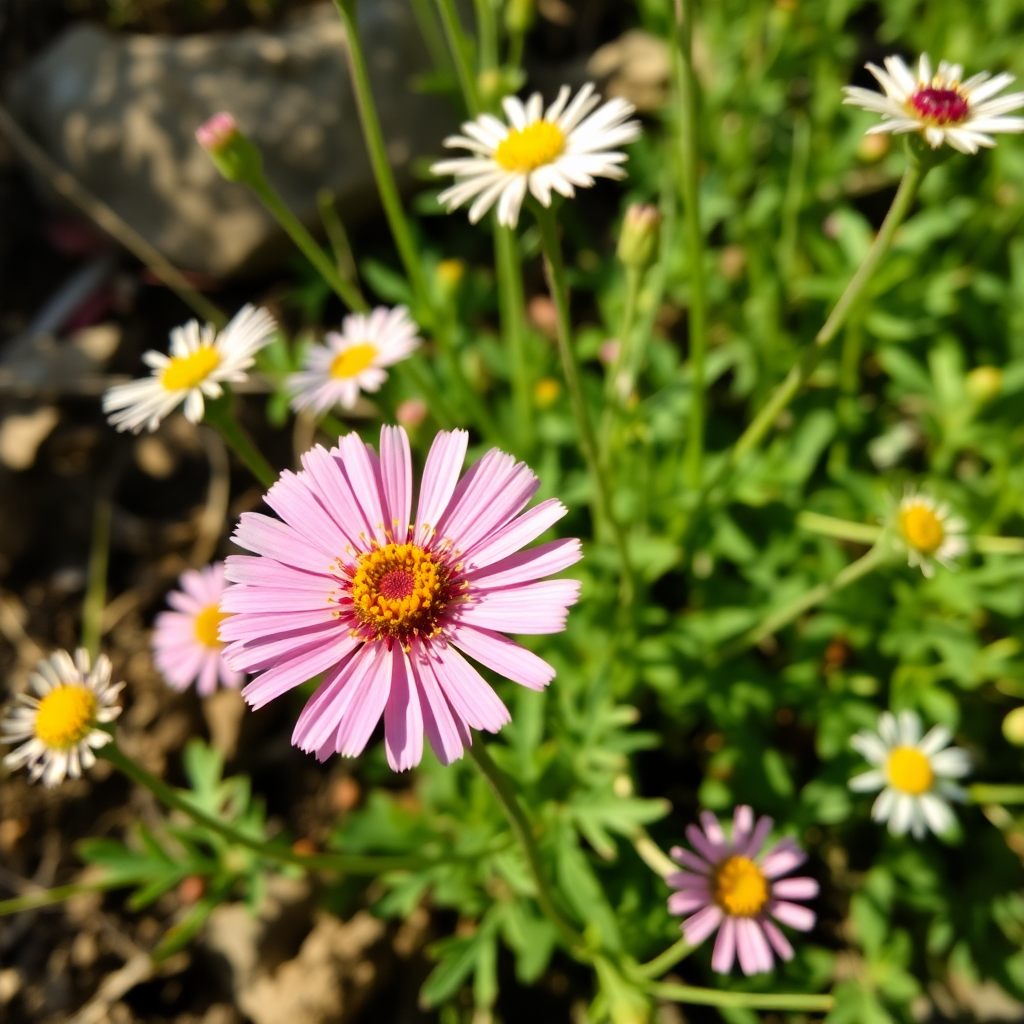
A typical Erigeron flower head has a yellow or golden center surrounded by many thin white, pink, purple, or blue petals (called ray florets). The whole bloom looks like a small daisy, but the rays are usually finer and more numerous. Plants range from low ground‑cover varieties only a few inches tall to taller, upright types that can reach three feet.
Where Does Erigeron Grow?
Erigeron species are native to many parts of the world, especially North America. You’ll find them:
In open fields, meadows, and prairies.
On rocky slopes and disturbed sites such as roadsides.
In gardens where they are deliberately planted for color.
Because they thrive in full sun to partial shade and tolerate a range of soils—from sandy to loamy—they are remarkably adaptable. Even dried‑out garden corners often welcome a few Erigeron seedlings.
Growing Erigeron in Your Garden
Site Selection – Choose a spot with at least 4–6 hours of direct sunlight each day. While they can handle a bit of shade, the best flower display appears in sunny locations.
Soil Preparation – Loosen the top few inches of soil and add a modest amount of compost. Good drainage is key; waterlogged soil can lead to root rot.
Planting – Sow seeds in early spring, or plant nursery‑grown seedlings after the danger of frost has passed. Space plants 6–12 inches apart, depending on the variety’s height.
Watering – Keep the soil evenly moist until seedlings are established. After that, Erigeron tolerates occasional drought, though regular watering encourages more blooms.
Maintenance – Deadhead spent flowers (snip off the faded heads) to promote a second bloom period. A light annual feeding with a balanced fertilizer keeps plants vigorous but is not strictly necessary.
Why Gardeners Love Erigeron
Long Bloom Season – Many varieties flower from late spring right through early fall, offering continuous color.
Pollinator Magnet – Bees, butterflies, and even hoverflies love Erigeron’s nectar, making it a great addition for supporting local wildlife.
Low Maintenance – Their hardy nature means they require minimal care once established.
Versatile Uses – In native‑plant gardens, naturalized landscapes, or even container arrangements, Erigeron fits beautifully.
A Bit of Symbolism
Historically, the name “fleabane” suggested the plant could repel fleas, though modern science offers no solid proof. In the language of flowers, Erigeron can represent innocence, cheerfulness, and a hopeful beginning—fitting for a plant that often appears early in the growing season.
Final Thoughts
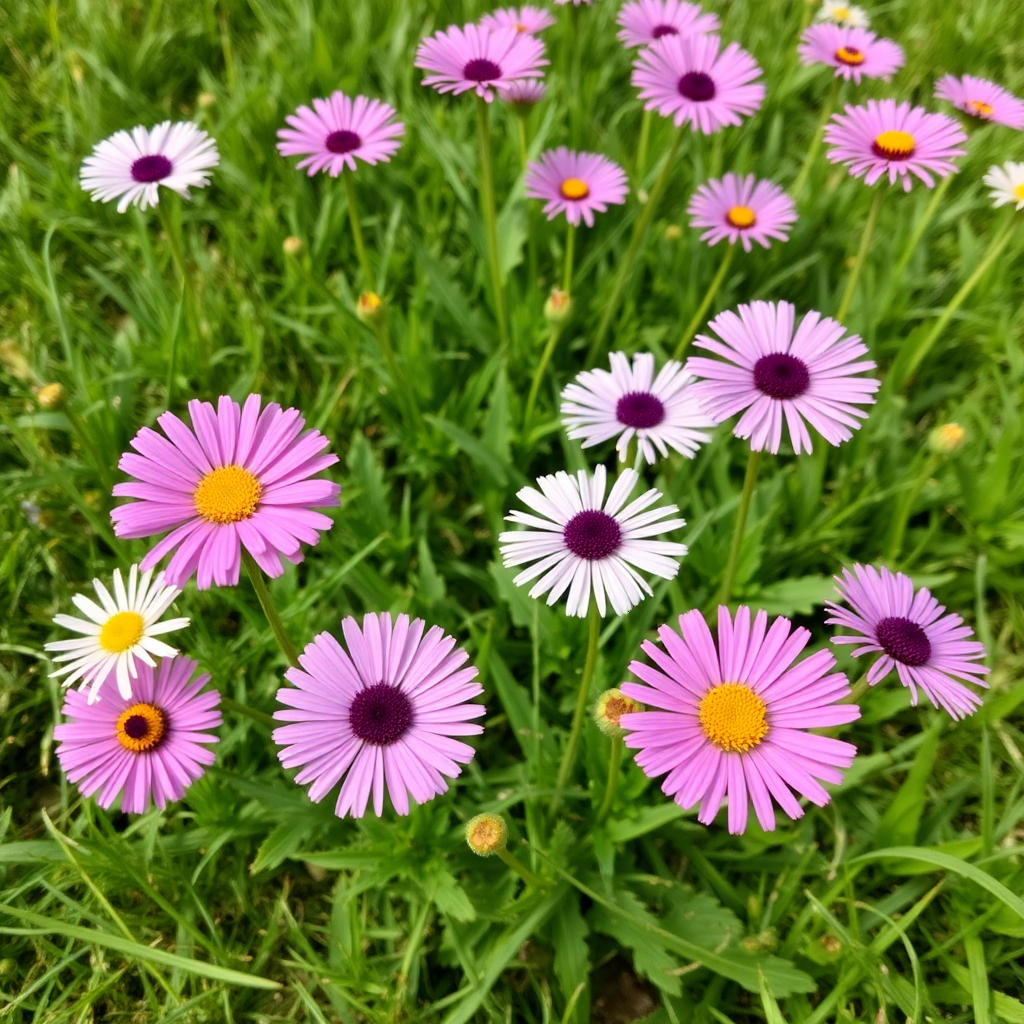
If you’re searching for a cheerful, easy‑going flower that brings a touch of wild beauty to your garden, give Erigeron a try. Its delicate daisy‑like heads, hardy nature, and ability to attract pollinators make it a small but mighty addition to any plant palette. Plant a few seeds, watch them sprout, and enjoy the gentle, lingering smile they bring to your outdoor space. Happy gardening!
Wow, my brother, it's wonderful! The most beautiful thing in the world is the vein, its pleasant scents, its different shapes, and its beauty. I adore flowers of all kinds. Wonderful! Best of luck to everyone.