Torch Lilies: The Fiery Spectacle of Kniphofia in Your Garden
If you’ve ever stumbled upon a garden that looks like it’s been set ablaze with standing fire, you’ve likely encountered Kniphofia. Commonly known as Red Hot Pokers or Torch Lilies, these arresting perennials are not for the faint of heart—they demand attention, and they get it.
What Makes Them So Striking? Kniphofia is all about dramatic vertical structure. From dense clumps of strappy, grass-like foliage rise towering flower spikes, often reaching 3-5 feet tall. The real magic is in the bloom itself: dense cylinders of tubular flowers that shift in color as they mature.
A single spike might blaze with fiery orange or red at the top, melting into sunny yellow or pale cream lower down, creating a living gradient of flame. This unique coloring is not just for show; it’s a brilliant evolutionary strategy to guide pollinators to the nectar.
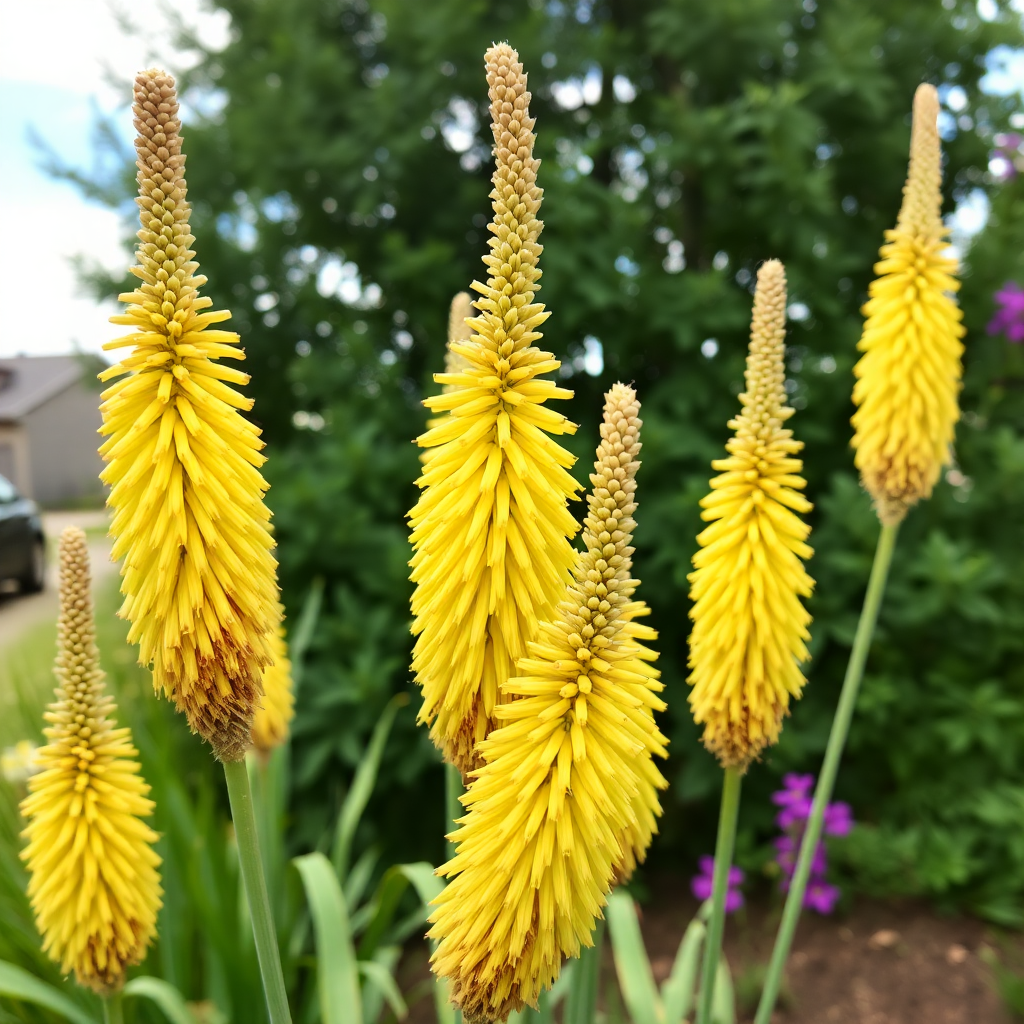
A Gardener’s Guide to Success Hailing from the sunny, grassy hills of South Africa, Kniphofia is a sun-worshipper. Full sun is non-negotiable for the best flower display. They are also famously drought-tolerant once established, thriving in well-drained soil—even sandy or gravelly types.
Their Achilles’ heel is heavy, wet clay that can rot the crown in winter. In cooler climates (USDA zones 5-9, depending on variety), excellent drainage and a winter mulch are key. These are low-maintenance plants: deadhead spent spikes to encourage a second flush, and every few years, divide crowded clumps in early spring.
A Magnet for Wildlife The tubular flowers are perfectly shaped for their primary pollinators: sunbirds in their native habitat and hummingbirds where they are introduced. In your garden, you’ll also see a constant buzz of bees, butterflies, and beetles all vying for a sip of that rich nectar. Planting Kniphofia is a direct action to support local pollinator populations.
More Than Just Red While the classic Kniphofia uvaria delivers that iconic red-to-yellow poker, the genus offers a palette for every taste. ‘Border Ballet’ brings soft peach and cream; ‘China Dragon’ flaunts vibrant orange-red; ‘Tangerine Dream’ is pure, intense citrus.
There are dwarf varieties for front borders and giants for the back of a bed. Some, like the cultivar ‘Alcazar’, even rebloom reliably, extending the fiery show from early summer into fall.
A Note on the Name They are not true lilies (Lilium), and calling them “Torch Lilies” refers to their shape, not their relation to the lily family. They belong to the Asphodelaceae family, cousins to Aloes and Hemerocallis.
The Final Word Kniphofia is the ultimate architectural accent. It provides bold, late-summer color when many other perennials are fading, offers incredible textural contrast against softer plants like grasses and lavender, and acts as a powerful wildlife beacon.
If your garden needs a dose of daring, drama, and undeniable heat, look no further than the unforgettable, torch-like blooms of the Kniphofia. Just be prepared—you’ll be hearing "What is that?" from every visitor.
写得很不错
What a stunning description of Torch Lilies! 🔥 "Standing fire" — that's such a powerful visual. I've never seen Kniphofia before, but now I really want to.
Your post reminded me of how nature and finance both have their own kind of "growth" — slow, steady, and sometimes unexpectedly beautiful. I actually wrote about Real-World Assets (RWAs) and how they're helping people grow wealth organically. Would love your thoughts: [RWA 500 Billion Dollars: How Can Ordinary People Invest? A 2026 Guide]
Keep sharing these beautiful blooms! 🌿