Narcissus: The Timeless Bell of Spring
When the frost finally melts and the first warm breezes stir the air, a familiar herald of the season begins to appear in gardens, borders, and wild meadows alike: the narcissus. Often called “daffodils,” these trumpet‑shaped blossoms have been celebrated for millennia—not only for their striking beauty, but also for the layers of folklore, symbolism, and horticultural intrigue they carry.
A Brief Botanical Portrait
Narcissus belongs to the Amaryllidaceae family, a group of bulbous perennials that thrive in temperate climates. The genus comprises roughly 50 species and a staggering number of cultivars—over 13,000 registered varieties alone—ranging from the classic yellow “King Alfred” to pure‑white “Mount Hood” and deep orange “Tête à Tête.”
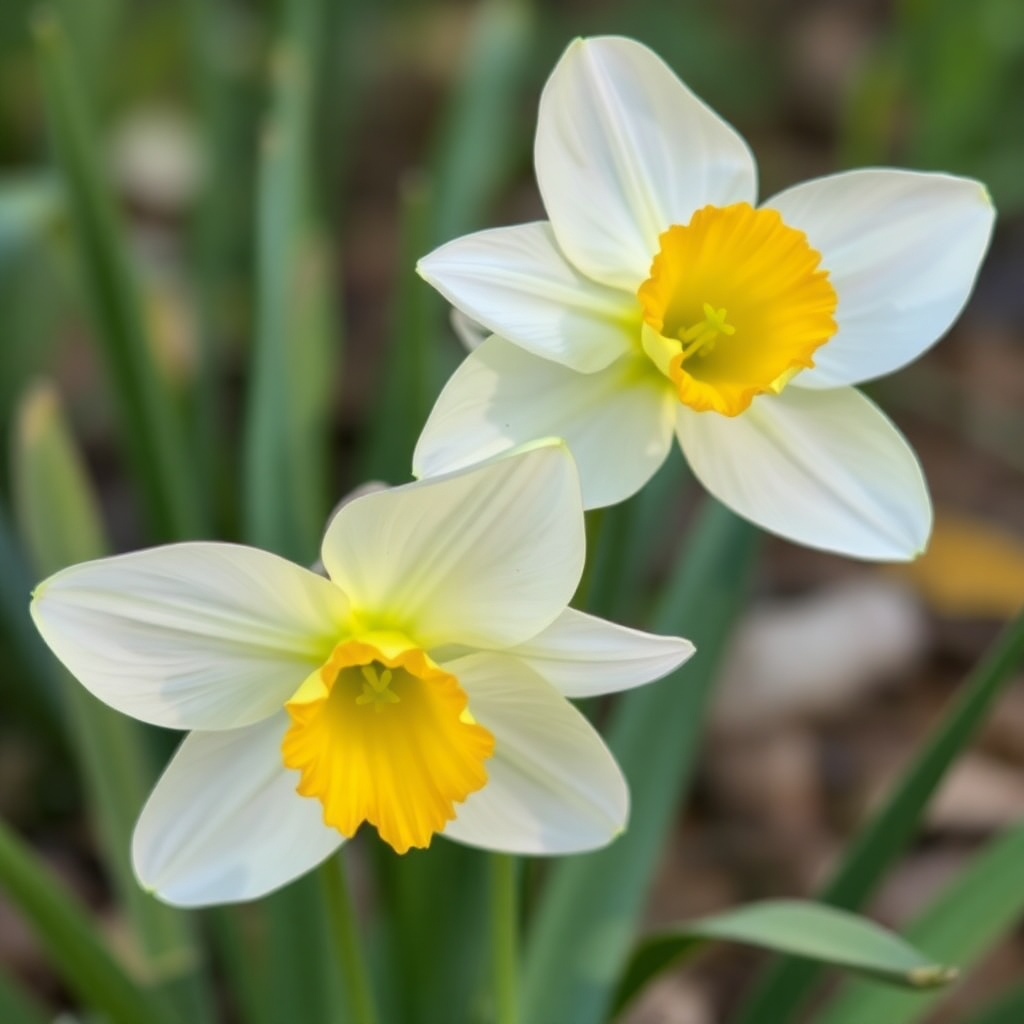
Their growth cycle is simple yet elegant: a dormant bulb lies underground through winter, gathering energy, then bursts forth in early spring with slender, strap‑like leaves and a central cup (the corona) topped by a star‑shaped perianth.
From Myth to Modern Symbolism
The name Narcissus stems from Greek mythology. The vain youth Narcissus fell in love with his own reflection, and the flower that grew where he perished bears his name as a cautionary reminder of hubris. Yet the flower’s meaning has evolved.
In Victorian “language of flowers,” narcissus signified rebirth and new beginnings—apt for a plant that literally pushes through the earth after months of dormancy. Today, gardeners often gift a bouquet of daffodils to celebrate graduations, new jobs, or any fresh start.
Cultivation Secrets for a Spectacular Display
Soil & Placement – Narcissus prefers well‑draining, loamy soil with a neutral to slightly alkaline pH. Plant the bulbs in a sunny spot; while they tolerate light shade, full sun encourages the richest coloration.
Depth & Spacing – A reliable rule of thumb is “three times the bulb’s height.” For a typical 4‑inch bulb, plant it 12 inches deep. Space bulbs 4–6 inches apart to allow each plant its own share of nutrients.
Watering & Feeding – Water thoroughly after planting, then let the soil dry out between watering cycles. As the foliage matures, apply a balanced, low‑nitrogen fertilizer to bolster leaf growth—remember, the leaves are the plant’s food factory, feeding the next year’s bloom.
Post‑Bloom Care – Allow the foliage to yellow naturally before pulling it up. This process returns stored energy to the bulb, ensuring robust next‑year flowering. Mulching with leaf litter can protect bulbs from temperature swings and deter weeds.
Design Ideas to Showcase Narcissus
Mass Plantings – Create a sea of gold by planting a single cultivar in sweeping drifts. The visual impact is dramatic in public parks or large private lawns.
Mixed Borders – Pair narcissus with early crocuses, hyacinths, and tulips for a staggered bloom sequence that extends spring’s color palette.
Container Gardens – Pot a handful of small bulbs in a shallow trough; move the container to a sunny balcony for a portable burst of cheer.
A Final Thought
Beyond their bright hues and sweet scent, narcissus flowers embody resilience—a quiet reminder that even after the darkest winter, life pushes upward, confident and radiant.
Whether you’re a seasoned horticulturist or a casual backyard enthusiast, inviting narcissus into your garden means inviting a piece of that enduring optimism. Plant them, tend them, and watch as each spring they return, louder, brighter, and ever more hopeful.