Why Peonies are among the most beloved garden flowers
Peonies are among the most beloved garden flowers, admired for their lush, ruffled blossoms and intoxicating fragrance. Native to Asia, Europe, and western North America, they have been cultivated for centuries, first appearing in Chinese imperial gardens and later adorning the estates of European aristocracy.
Today, gardeners cherish peonies for their hard‑working nature: once planted, a mature clump can thrive for decades with minimal maintenance.
There are three main types: herbaceous peonies, which die back to the ground each winter and re‑emerge in spring; tree peonies, woody shrubs that bloom on bare branches; and intersectional (or Itoh) hybrids, a cross between the two that combine the best of both worlds.
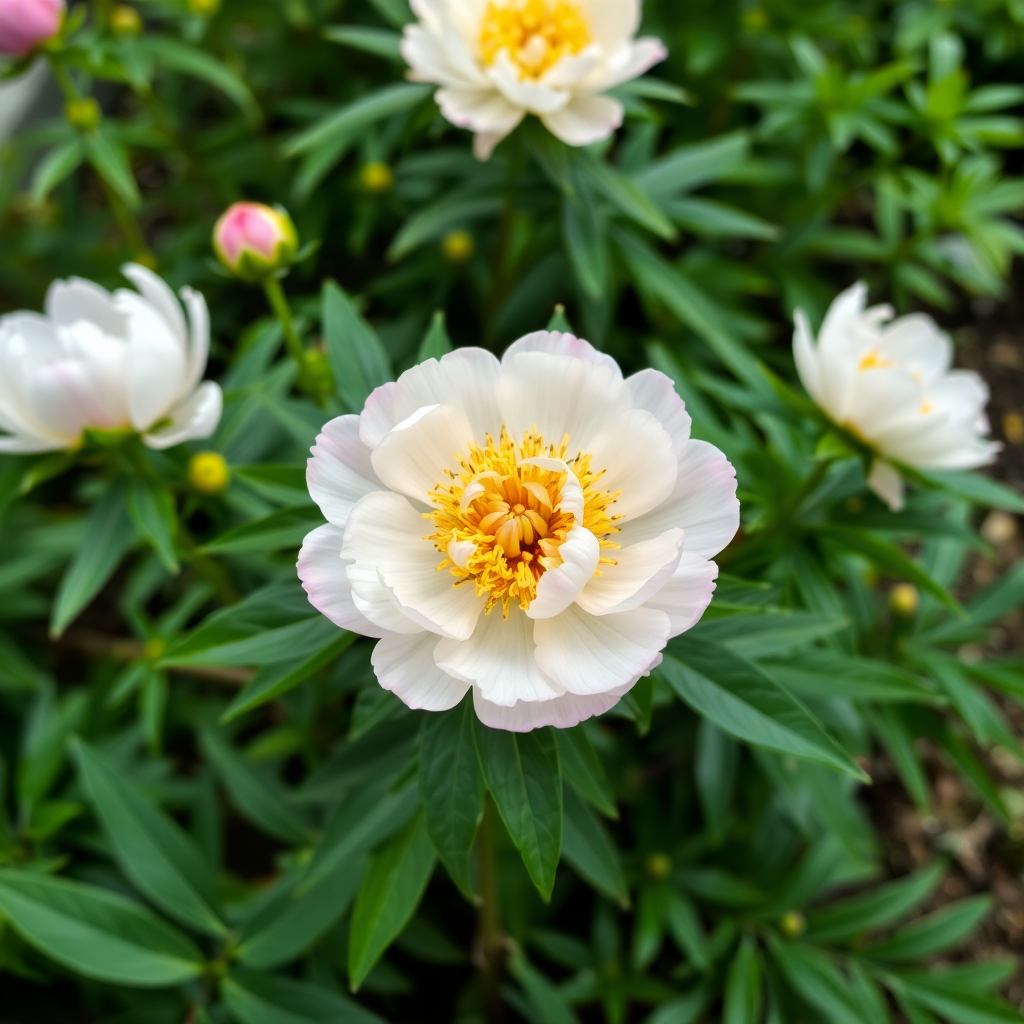
Herbaceous varieties offer a spectacular display of cup‑shaped flowers in shades of pink, red, white, and even yellow, while tree peonies provide larger, more open blooms that can reach twelve inches across.
Planting peonies is straightforward but requires a few key considerations. Choose a sunny location with well‑drained soil, and plant the crown two inches below the soil surface—deeper planting can inhibit blooming.
Adding compost or aged manure improves fertility and encourages robust root development. Because peonies form shallow root systems, they are intolerant of transplanting; it is best to move a plant only in early fall or early spring when the roots are dormant.
Beyond aesthetics, peonies carry rich symbolism. In Western culture they represent romance, prosperity, and bashfulness, while in China they are known as “king of flowers,” symbolizing wealth and honor.
Their cultural resonance makes them a popular choice for wedding bouquets, festival decorations, and even medicinal applications—peony root has been used in traditional Chinese medicine for centuries.
Whether you seek a romantic focal point, a low‑maintenance perennial, or a touch of historic elegance, peonies deliver timeless beauty that rewards patient gardeners year after year.
Caring for peonies also presents opportunities for creative garden design. Plant them in groups of three or five to create a natural cascade, and pair them with foliage plants such as hostas or ornamental grasses for contrast.
In cooler climates, provide a mulch in winter to protect the crowns from freeze‑thaw cycles. With these simple practices, the peony’s spectacular show will continue to enchant both novice and seasoned gardeners alike.