How to Prepare for Professional Carpet Cleaning
Carpet collects soil long before it looks dirty. Fine dust settles near the base of the fibers. Spills leave residue. Pets add hair, oils, and odors. Busy walkways flatten and darken.
Professional carpet cleaning works best when the method fits the fiber, backing, soil level, and condition of the carpet. Homeowners should identify problem areas, prepare the rooms, and compare the full service scope before scheduling work.
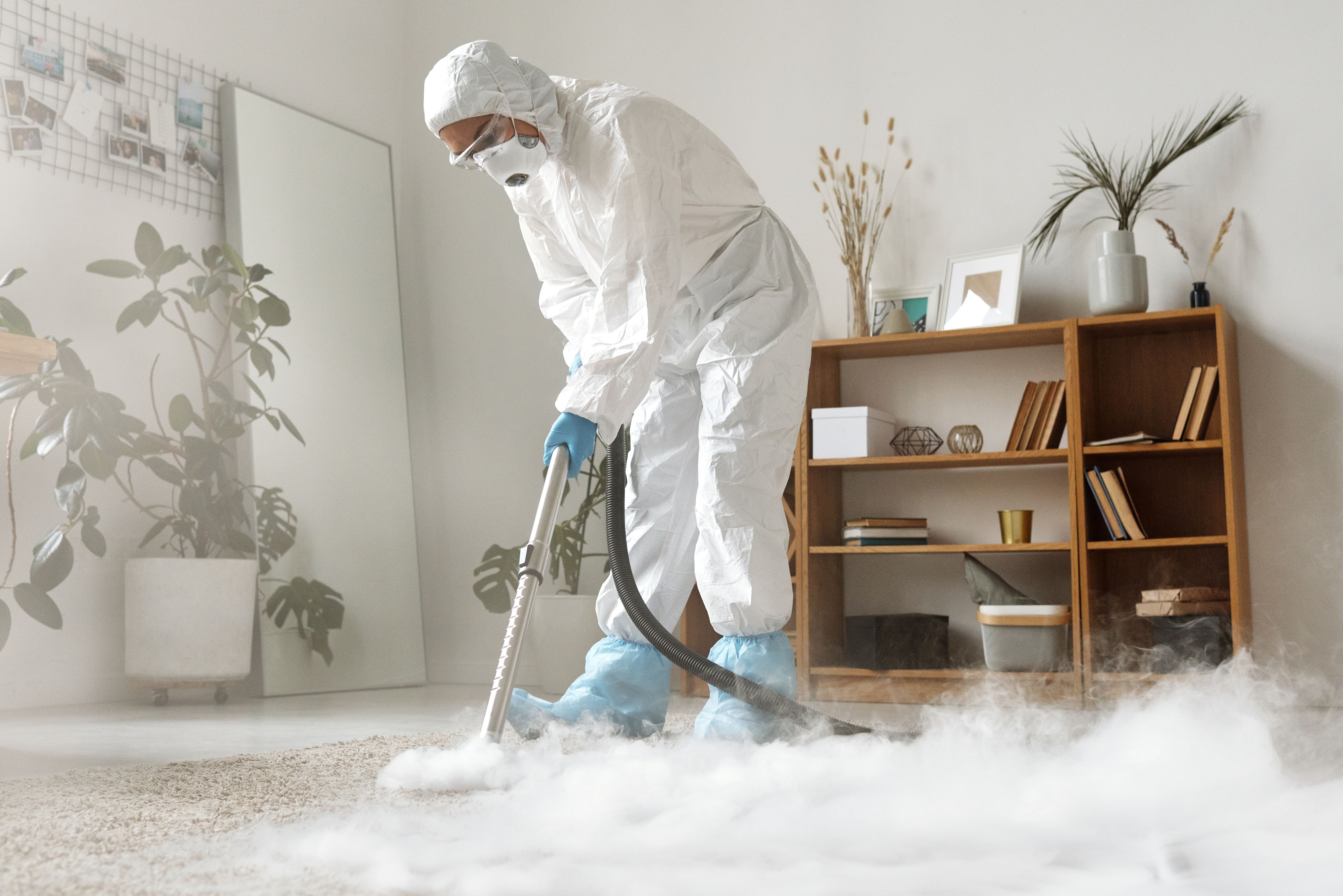
Inspect the Carpet First
Walk through each room in daylight. Look at the carpet from several angles.
Note:
• Dark traffic lanes
• Food and drink spots
• Pet stains
• Odors
• Loose seams
• Ripples
• Frayed edges
• Bleached areas
• Water stains
• Worn fibers
• Furniture dents
Show these areas to the cleaning provider before work starts. A stain caused by grease needs a different approach from one caused by rust, ink, pet waste, or a cleaning product.
Tell the provider about any products already applied. Residue from spot removers, soap, or deodorizer affects treatment.
Know the Carpet Fiber
Cleaning methods and products should match the carpet material.
Common fibers include nylon, polyester, wool, olefin, and blends. Natural fibers often need tighter moisture and chemistry control. Some synthetic carpets resist certain stains but hold oily soil.
Check purchase records or manufacturer labels when available. If the fiber remains unknown, ask how the technician plans to identify it.
Also discuss the backing and installation method. Stretch-in carpet over cushion differs from glued carpet. Area rugs need separate evaluation because dyes, fringe, backing, and construction vary.
Choose a Cleaning Method
Carpet cleaning includes several approaches.
Hot water extraction applies cleaning solution and removes soil with water and suction. People often call this steam cleaning, though the process relies on hot water rather than household steam.
Low-moisture cleaning uses limited liquid and mechanical action. Drying often takes less time.
Encapsulation products surround loosened soil for later vacuum removal. This approach often appears in routine commercial care, though some residential settings also use it.
Shampooing uses detergent and agitation. The provider should explain residue control and extraction.
Ask why the proposed method fits your carpet. The answer should address fiber type, soil, stains, drying conditions, and carpet condition.
Understand Pre-Spotting and Pre-Conditioning
Heavy soil and stains often need treatment before the main cleaning step.
Pre-spotting targets specific marks. Pre-conditioning loosens soil across a wider area. Agitation might help the treatment reach the fibers.
Ask the technician to identify stains with limited removal prospects. Some substances change carpet dye rather than leave removable soil. Bleach, acne products, strong cleaners, and sunlight often create permanent color loss.
A cleaner should set realistic expectations without promising full stain removal.
Address Pet Stains and Odors
Pet accidents often reach below the visible carpet surface. Liquid might enter the backing, cushion, subfloor, baseboard, or wall edge.
Surface cleaning might reduce odor for a short period while deeper residue remains.
Ask how the provider determines the affected area. Inspection might include odor checks, moisture tools, or special lighting.
Treatment options depend on depth and material condition. The scope might involve:
• Topical treatment
• Deep treatment
• Cushion replacement
• Subfloor cleaning
• Carpet lifting
• Odor treatment
• Section replacement
Do not cover pet odor with fragrance alone. Ask which source receives treatment and what limits apply.
Check for Ripples and Loose Carpet
Carpet that forms waves or ripples might need stretching before or after cleaning. Excess movement creates wear and trip risks.
Tell the provider about loose seams, damaged transitions, pulled fibers, or detached edges. Some carpet cleaning companies also offer repair and restretching work.
Ask whether cleaning might worsen an existing loose area. The technician should avoid aggressive equipment around damaged seams and edges.
Repairs should appear as a separate item in the written scope.
Prepare Furniture and Rooms
Ask which furniture the crew moves. Some services include moving and replacing most standard furniture, while heavy, fragile, electronic, or oversized items often stay in place.
Before the appointment:
• Remove small furniture
• Pick up toys and clothing
• Move plants
• Secure fragile objects
• Clear low shelves
• Lift curtains from the floor
• Remove breakable items from tables
• Vacuum when instructed
• Secure pets
• Provide access to water and power when required
Point out loose furniture legs, delicate finishes, and items that should not move.
Ask whether the crew places tabs or blocks under furniture after cleaning. Wood and metal parts should not rest directly on damp carpet.
Plan for Drying
Drying time depends on the cleaning method, fiber, weather, airflow, room temperature, and amount of moisture applied.
Ask how the technician removes excess water and supports airflow. Fans, open interior doors, heating, or air conditioning might help, depending on outdoor conditions.
Marin, Sonoma, and Napa County homes face different drying conditions. Coastal fog and shaded rooms slow evaporation. Inland heat supports faster drying, though closed homes still need air movement.
Avoid walking on damp carpet unless needed. Wear clean footwear and follow the provider’s instructions. Keep pets off the surface until it dries.
Do not place rugs, plastic mats, or furniture on damp carpet.
Protect Indoor Air and Sensitive Occupants
Tell the provider about children, pets, asthma, allergies, chemical sensitivities, or scent concerns before the visit.
Ask for product information when needed. Fragrance-free or lower-odor options might fit some households.
Good ventilation supports drying and reduces lingering odors. Keep people away from hoses, machines, wet stairs, and treated rooms during the work.
Never mix household cleaners with products used by the technician.
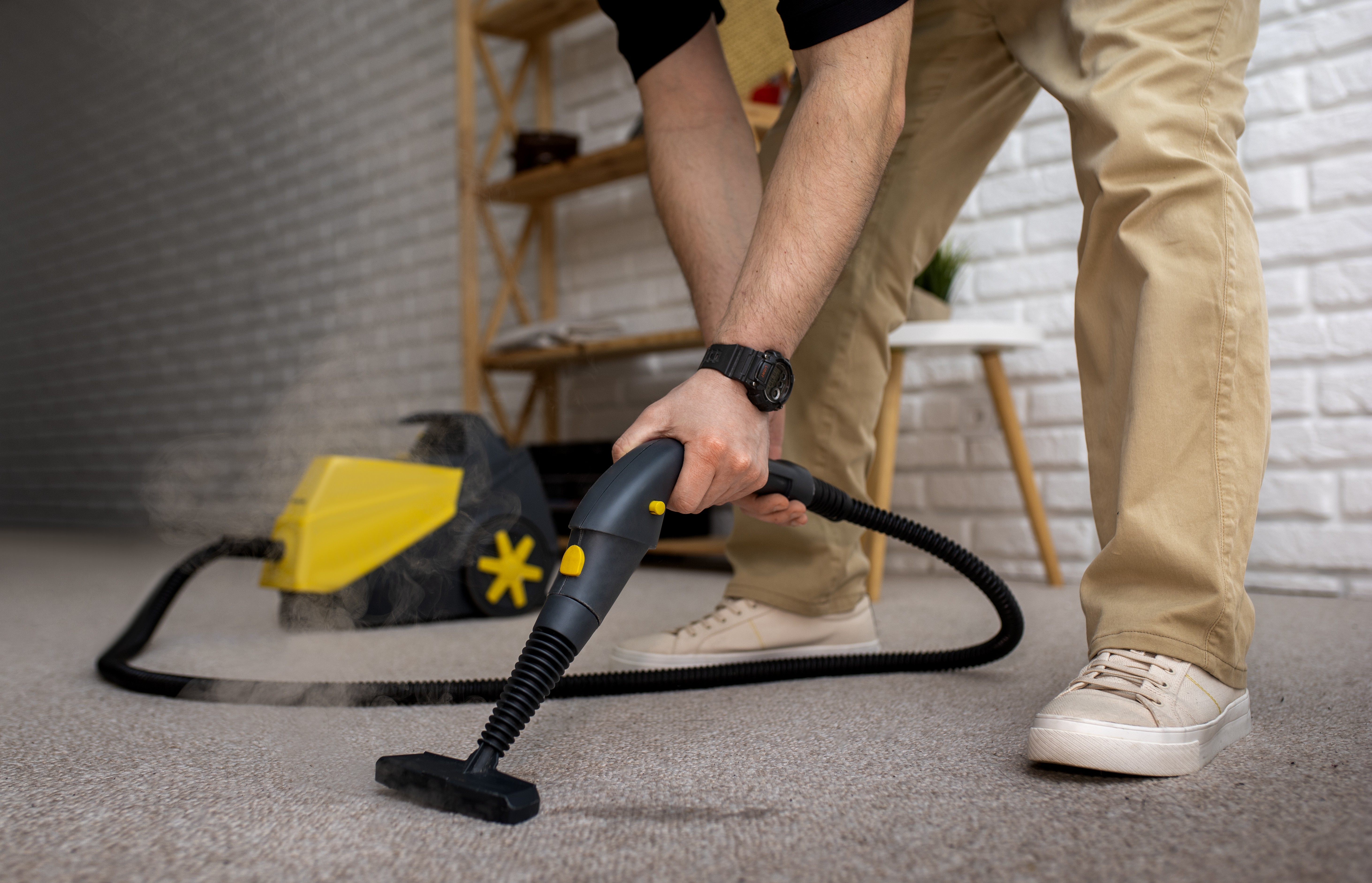
Compare Carpet Cleaning Providers
Give each provider the same room count, carpet details, stain list, and access information.
While comparing carpet cleaning providers, the North Coast Carpet Care, Inc. company report offers a neutral research reference for service categories such as carpet cleaning, pre-spotting, pre-conditioning, upholstery care, area rug cleaning, carpet repair, and fiber protection.
Ask each provider:
• Which cleaning method fits the carpet?
• Does the service include pre-treatment?
• How are stains evaluated?
• Which furniture gets moved?
• How are floors and walls protected?
• What drying time should you expect?
• Does the work include odor treatment?
• Are repairs separate?
• Which results remain uncertain?
• What does the written price include?
Compare the full process rather than a room count alone.
Review the Written Scope
The proposal should identify rooms, stairs, hallways, closets, and extra treatments.
Look for:
• Cleaning method
• Room measurements or room limits
• Stair cleaning
• Spot treatment
• Pet treatment
• Odor treatment
• Furniture moving
• Carpet repair
• Fiber protection
• Drying support
• Added service approval
• Warranty terms and exclusions
Ask whether hallways, landings, large rooms, and closets count as separate areas. Clear definitions prevent confusion on the service date.
Maintain Carpet After Cleaning
Vacuum often enough to remove dry soil before it settles deeper. Use a machine suited to the carpet height and fiber.
Blot spills with a clean, light-colored cloth. Do not scrub. Scrubbing spreads residue and distorts fibers.
Test any spot product in a hidden area. Follow carpet maker instructions. Avoid excess soap because residue attracts new soil.
Place entry mats at exterior doors and clean them often. Use furniture protectors under heavy legs. Address leaks and damp areas at once.
Professional cleaning works best as part of regular carpet care. Identify the fiber, stain sources, damage, and drying needs before the visit. A clear scope helps protect the carpet and sets sound expectations for the finished rooms.