Ceramic Tint Checks for Philly Heat and Clarity
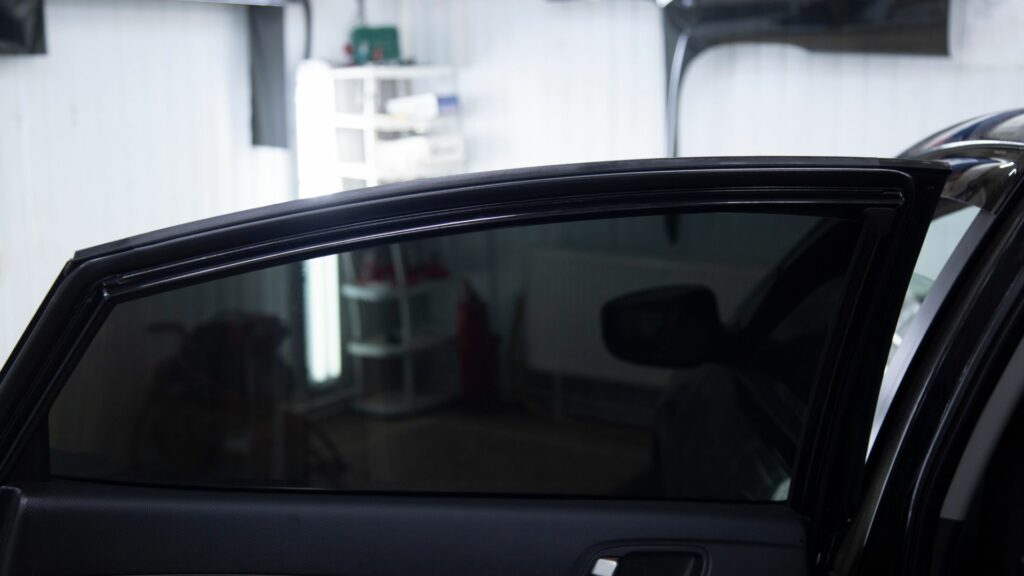
You step into your car after it sat in the sun, and the heat hits first. In Philadelphia, Pennsylvania, that moment happens in parking lots, curbside spots, and garage ramps all summer. Ceramic heat rejection tint sits on many shortlists because people want a cooler-feeling cabin and a clear view. The choice still involves more than a label. Film type matters, yet installation quality and curing rules often decide long-term satisfaction.
This guide explains what ceramic heat rejection tinting involves, what to ask before installation, and how to check the finished job with a simple routine.
What ceramic heat rejection tinting includes
Ceramic tint is still window tint. The installer applies a film to the interior side of glass. The work begins with cleaning and edge prep. The installer shapes film to each window, then uses controlled heat and pressure to fit it smoothly. Rear glass takes extra care because of its curve and defroster lines.
A common job includes:
• Front side windows
• Rear side windows
• Rear glass
Extra complexity appears on:
• Vehicles with steep rear glass curvature
• Cars with older, gritty window seals
• Frameless windows that shift during door open and close
• Glass that holds antennas or sensors
What “ceramic” means in practical terms
People use ceramic tint to describe films that include a ceramic layer designed for comfort and clarity. The report page shows a layered structure that includes a UV absorber, a nano-ceramic layer, and a scratch resistant coating.
Focus on outcomes you can feel and see:
• Less heat feel on sunny drives
• Clearer view out, especially on front windows
• A neutral look without heavy reflectivity
• Better cleaning durability due to a protective top layer
Shade still controls privacy and glare. A lighter ceramic film still feels different than a lighter dyed film in many cases, yet you should judge it on how it looks from the driver seat.
Shade selection with Pennsylvania rules in mind
Pennsylvania tint limits differ by window position. The report page emphasizes checking local regulations and warns about penalties and tint removal for violations.
Use a step-by-step approach:
Confirm legal limits for front side windows, rear sides, and rear glass.
Decide how much light you want in the cabin on cloudy days.
Think about night driving in rain, glare feels stronger on wet roads.
Choose a shade plan that keeps front visibility comfortable.
If you drive in Center City at night, deal with reflections and bright headlights, and do frequent lane changes, keep the front shade conservative.
Questions to ask a provider about ceramic heat rejection tint
A quote that says “ceramic” still leaves major details unanswered. Ask questions that point to clarity, durability, and workmanship.
Film questions
• What film category is included, ceramic confirmed
• What shade options fit Pennsylvania rules for each window position
• Does the film include a scratch resistant coating
• What color tone should you expect, neutral, charcoal, or a cast in certain light
Installation questions
• How do you prep glass edges near seals
• What steps limit dust and lint during installation
• How do you handle rear glass curves and defroster lines
• What standards do you use for trimming at corners and top edges
Curing and cleaning questions
The report page states you should wait 48 hours before opening windows and cleaning interior glass while the tint cures.
Ask for written instructions that cover:
• Window-up period
• When you can clean the interior glass
• Safe cloths and cleaners
• What changes look normal during curing
Common issues after ceramic tinting, and what to check
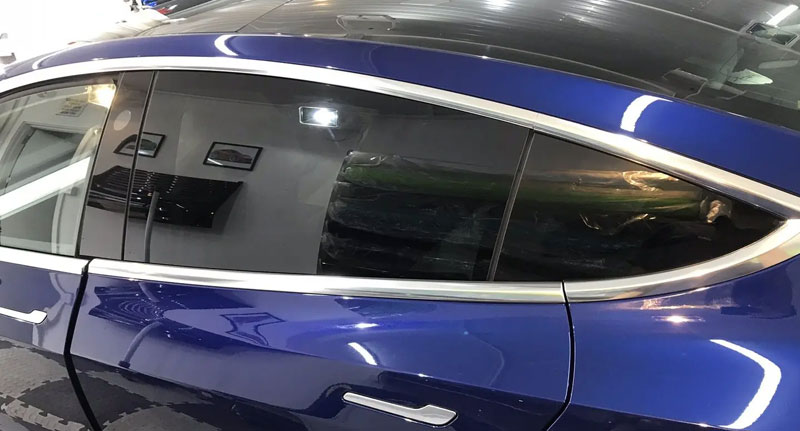
Ceramic tint still shows the same workmanship defects as any film.
Distortion on front windows
Look at straight lines, like lane markers and building edges. Distortion feels distracting on driver and passenger windows.
Debris specks
A few tiny specks might appear in any install, yet you should check your main sight lines. Focus on the area you look through at mirrors and intersections.
Edge gaps and lifting
Look along the top edge where the window meets the seal. Poor trimming or gritty seals can start lifting.
Rear defroster concerns
Check the rear glass along defroster lines. Look for scratches or uneven film along the grid.
A simple inspection routine at pickup
Do this before you leave:
• Sit in the driver seat and check clarity through front windows
• Look at top edges for smooth, even trimming
• Check corners for creases
• Inspect rear glass for uniform shade across the curve
• Look along defroster lines for scratches
• Ask for written cure instructions
Philadelphia area realities that affect ceramic tint results
Philadelphia, Pennsylvania mixes older vehicles, tight street parking, and humid summers. These conditions shift what matters in a tint job.
Older cars and mixed vehicle eras
Older seals collect grit and rub on film edges. Clean edge prep and strict curing rules matter more on older vehicles.
Inspections and enforcement
Pennsylvania rules matter, and enforcement often focuses on front windows. A legal shade plan avoids rework later.
Moisture and salt air near the coast
Humidity and coastal air push grime into seals. That grime scratches film during window movement. Seal cleaning reduces that risk.
Heat and sun load
City heat, dark dashboards, and wide windshields add to cabin discomfort. Tint helps, yet you still need a windshield sunshade and smart parking choices.
Aftercare that protects ceramic tint
Once the film cures, maintenance stays simple.
• Use microfiber cloths reserved for glass
• Spray cleaner onto the cloth, not onto the glass edge
• Wipe in straight lines, light pressure
• Avoid abrasive pads, rough towels, and harsh chemicals
• Wipe window seals so grit does not drag across film
A neutral research reference during comparisons
If you want a baseline for what to ask about film layers, curing time, and legal checks, treat Ceramic Car Window Tinting Philadelphia as one reference point, then compare Philadelphia-area providers by their prep process, defect standards, and written aftercare rules.
Ceramic heat rejection tint works best when you choose a legal shade plan, verify what film category goes on your glass, and inspect the finish before you leave. Those steps fit real driving in Philadelphia, where heat, humidity, and wet weather place daily demands on window clarity.
https://kepler-dealer.com/pennsylvania/philadelphia/car-window-tinting/