Moving to a New Place: The Ripple Effect of a Major Life Change
It’s the kind of decision that feels simultaneously exhilarating and terrifying: packing up your belongings, saying goodbye to the familiar, and stepping into an unknown street that will soon become “home.”
A move isn’t just a logistical exercise; it’s a full‑scale life transition that reshapes our routines, relationships, and even our sense of self. Below, we unpack (pun intended) the most common ways a relocation can ripple through every corner of our lives.
- The Emotional Upswing (and Downward Spiral)
When the boxes are stacked and the truck pulls away, a cocktail of emotions floods in. Excitement about fresh opportunities often mingles with anxiety over the unknown. This push‑pull is normal—our brains are wired to protect the status quo. Give yourself permission to feel both; acknowledging the discomfort makes it easier to process and move past it.
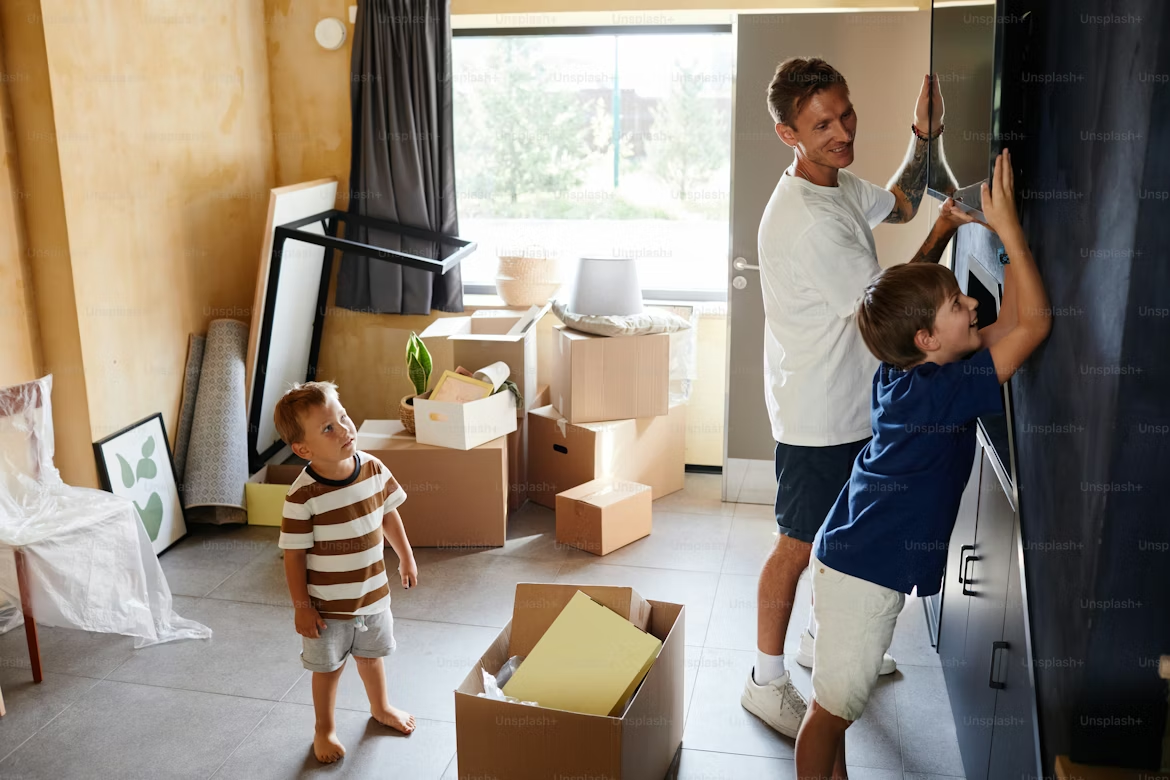
A key coping strategy is to create a transition ritual: a nightly walk through your old neighborhood, a farewell dinner with close friends, or a handwritten note to a favorite local café. These small acts provide closure, helping the emotional pendulum settle faster.
- Re‑wiring Your Daily Rhythm
Your old commute, grocery route, and favorite coffee spot disappear in an instant. Suddenly, the time you once spent waiting for the bus can be reclaimed for reading, exercise, or exploring your new surroundings. Many people find that this disruption forces a re‑evaluation of priorities—a chance to ditch habits that no longer serve them and adopt healthier routines.
Tip: Map out a “first‑week schedule” that balances necessity (unpacking, utility set‑up) with curiosity (walking the block, visiting a park). A structured yet flexible plan reduces decision fatigue and turns the chaos of moving into a purposeful adventure.
- Social Networks: From Familiar to Fresh
Leaving behind a support system can feel like stepping off a cliff. Yet, every new community offers a blank canvas for connection. Start small: join a neighborhood Facebook group, attend a local meetup, or volunteer at a nearby charity. These low‑pressure environments accelerate the formation of micro‑communities—the neighbors you greet in the hallway, the barista who remembers your order, the fellow runner you spot on the trail.
Research shows that building even a handful of meaningful relationships within the first three months can dramatically improve mental well‑being and reduce the “relocation blues.”
- Personal Growth and Identity Shifts
A move is a statement of agency. You’ve chosen to step outside comfort zones, which signals to yourself that change is possible. This can spark a broader reassessment: career goals, lifestyle choices, even long‑held beliefs. Many relocate for a job, but the ripple effect often includes new professional networks, skill development, and a refreshed sense of purpose.
Consider keeping a moving journal. Jot down daily observations, challenges, and moments of triumph. Over time you’ll see a narrative of resilience and adaptation—a tangible reminder of how far you’ve come.
- Practical Tips for a Smoother Transition
Declutter before you pack – fewer boxes, less stress.
Create a “starter kit” of essentials (toiletries, chargers, a few favorite snacks) so the first night feels civilized.
Set a “home base”—a room you finish first—so you have a sanctuary amid the chaos.
Research local services (doctors, gyms, grocery stores) ahead of time to avoid the post‑move scramble.
Closing Thought
Moving is more than a change of address; it’s a catalyst that recalibrates your emotional landscape, daily habits, and social circles. Embrace the turbulence, because on the other side lies a richer, more resilient version of yourself. And remember—every new street you walk is a blank page, waiting for the story you’ll write. Happy relocating!