Climate Change and Its Effects on Global Agriculture
The planet is warming, and the ripple effects are being felt across every field, farm, and kitchen. Climate change isn’t a distant threat—it’s reshaping the very foundation of global agriculture, challenging food security, livelihoods, and the ecosystems that sustain us.
Rising Temperatures, Shifting Seasons
Higher average temperatures accelerate crop growth cycles, often shortening the period plants have to mature. While some regions may initially see higher yields for heat‑loving crops like maize, the long‑term outlook is grim.
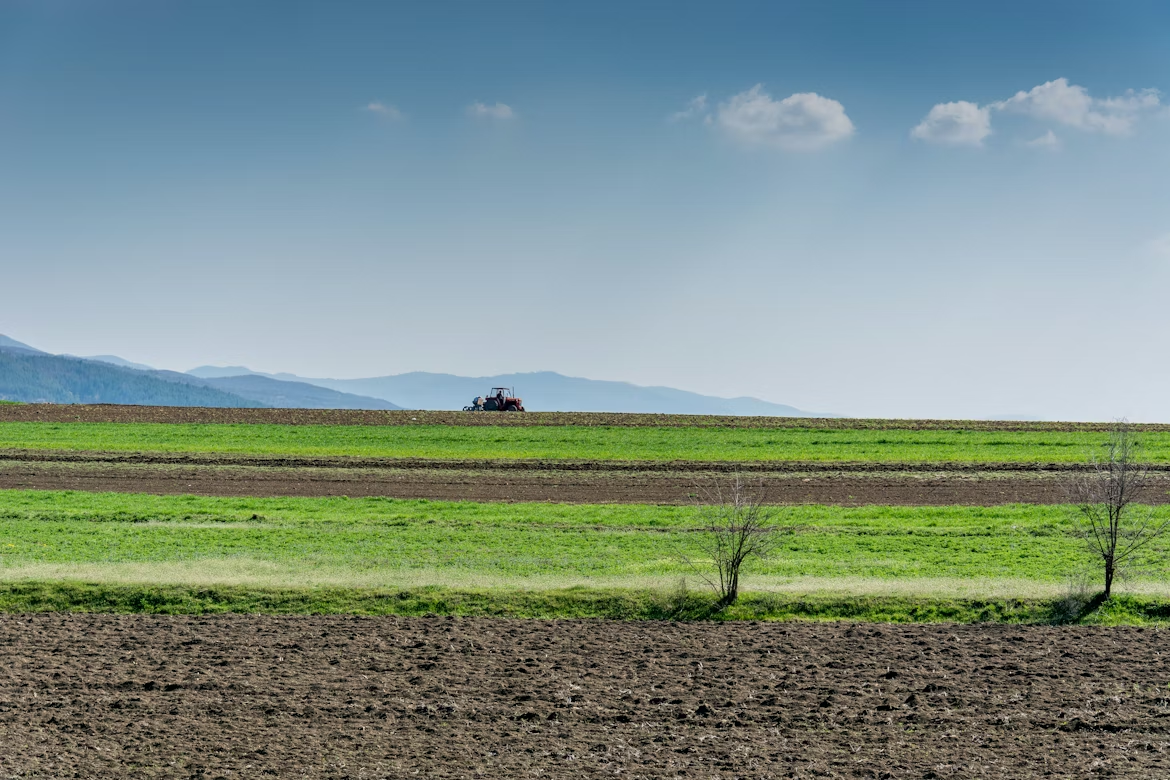
Heat stress can damage photosynthesis, leading to reduced grain quality and lower protein content. Moreover, altered growing seasons force farmers to adjust planting dates, sometimes pushing them into less optimal windows and increasing the risk of frost or drought.
Water Stress and Erratic Rainfall
Climate models predict more intense, less predictable precipitation patterns. In arid zones, prolonged droughts strain irrigation supplies, forcing farmers to fallow fields or switch to less water‑intensive crops.
Conversely, heavy downpours can cause flooding, soil erosion, and nutrient leaching, leaving fields depleted and vulnerable to pests. The net effect is a widening yield gap between water‑rich and water‑poor regions.
Pests, Diseases, and New Frontiers
Warmer climates expand the habitat range of insects, fungi, and weeds. The desert locust, for example, now thrives across larger swathes of Africa and the Middle East, devastating staple crops. Similarly, fungal diseases like wheat rust are migrating to higher latitudes, catching growers off guard and demanding costly pesticide regimes.
Socio‑Economic Ripple Effects
When harvests falter, prices soar. Smallholder farmers—who produce over 70% of the world’s food—are hit hardest, jeopardizing their income and food access. Urban consumers feel the pinch through higher grocery bills, while exporters from vulnerable regions may lose market share to nations with more resilient agricultural systems.
Adapting for the Future
The path forward hinges on innovation: climate‑smart varieties, precision irrigation, and agroforestry can buffer shocks. Policy support—through subsidies for resilient practices, research funding, and robust insurance schemes—is essential to protect the global food basket.
In short, climate change isn’t just warming the planet; it’s rewriting the rules of agriculture. The choices we make today will determine whether tomorrow’s tables are full or empty.