Understanding the Economic Impacts of Climate Change
When we discuss climate change, the conversation often centers on melting glaciers and extreme weather patterns. However, there is another, equally urgent dimension to this crisis: the global economy.
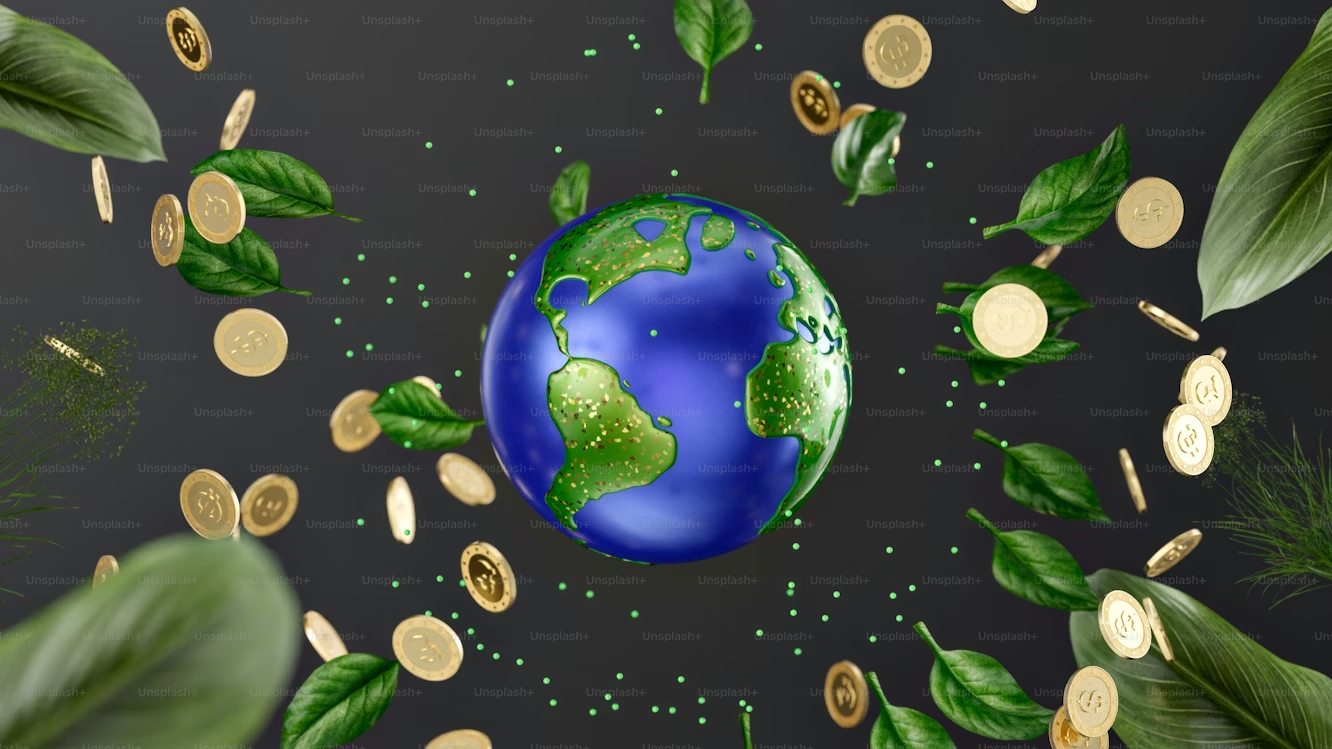
Climate change is no longer just an environmental challenge; it is a profound economic disruptor that is reshaping markets, supply chains, and fiscal stability worldwide.
The most immediate economic impact arises from the increasing frequency and intensity of natural disasters. Hurricanes, wildfires, and floods are causing billions of dollars in infrastructure damage annually.
Beyond the physical destruction, these events lead to massive disruptions in global trade. When a port is flooded or a power grid fails, the ripple effect is felt across international markets, driving up costs for businesses and consumers alike.
Agriculture is perhaps the most vulnerable sector. Shifts in temperature and unpredictable rainfall patterns are threatening food security and slashing yields for essential crops like wheat, coffee, and corn. For lower-income nations, where agriculture is the backbone of the economy, these changes can trigger economic stagnation and exacerbate poverty. Even in developed nations, rising food prices are a direct consequence of climate-induced supply volatility, contributing to inflationary pressure.
Furthermore, the transition to a low-carbon economy—while necessary—presents its own fiscal challenges. Stranded assets, such as fossil fuel reserves that may become unusable, threaten the portfolios of investors and banks. Conversely, this transition offers a massive opportunity for growth in renewable energy and green technology.
Ultimately, the cost of inaction far outweighs the investment required to mitigate climate change. Business-as-usual scenarios suggest that failing to curb emissions could shave significant percentages off global GDP by the end of the century. Investing in climate resilience today isn’t just an environmental stewardship strategy; it is a fundamental economic imperative for a stable, prosperous future.