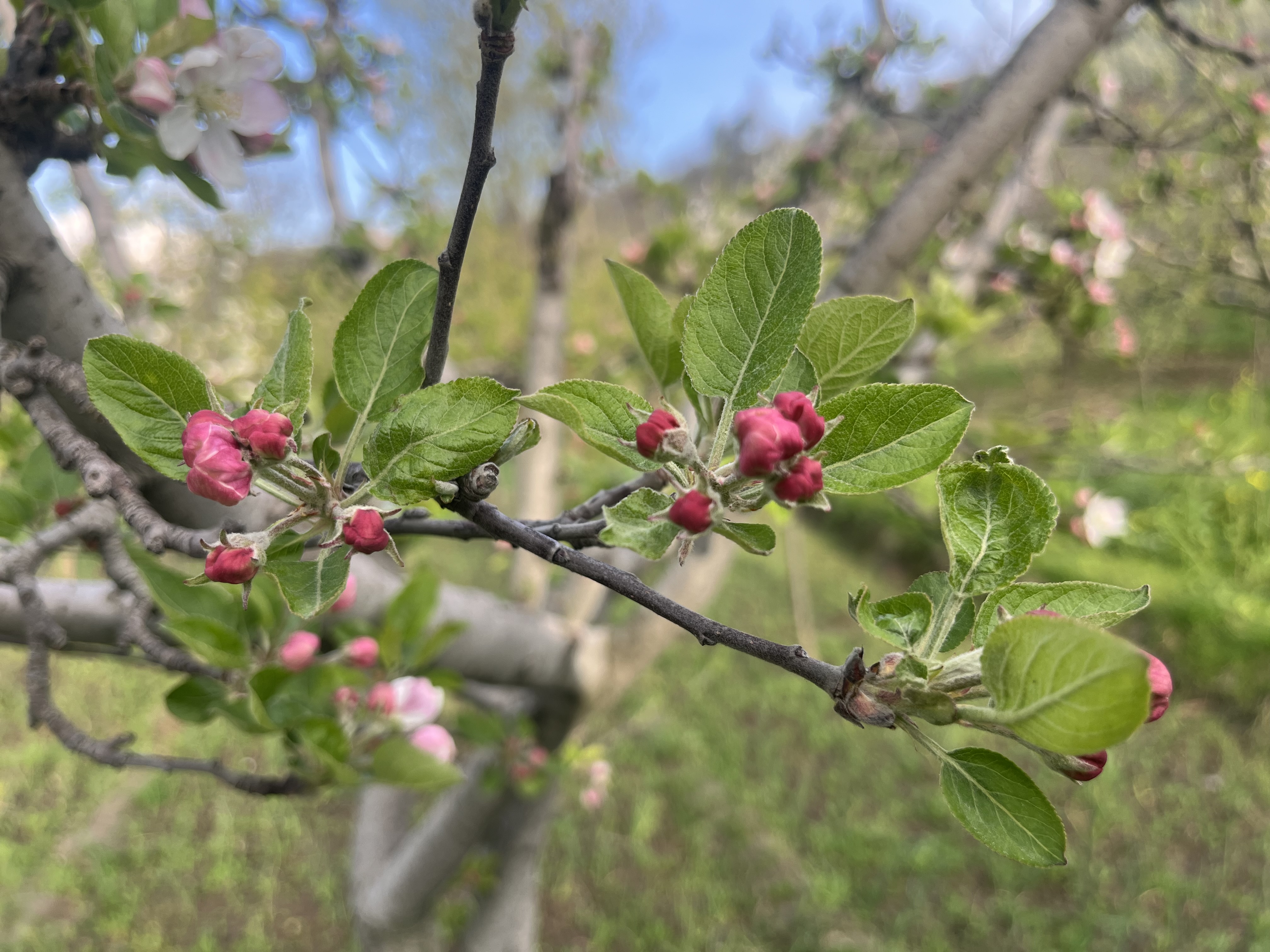
Spring Rains Disrupt Plantation and Pollination in our valley
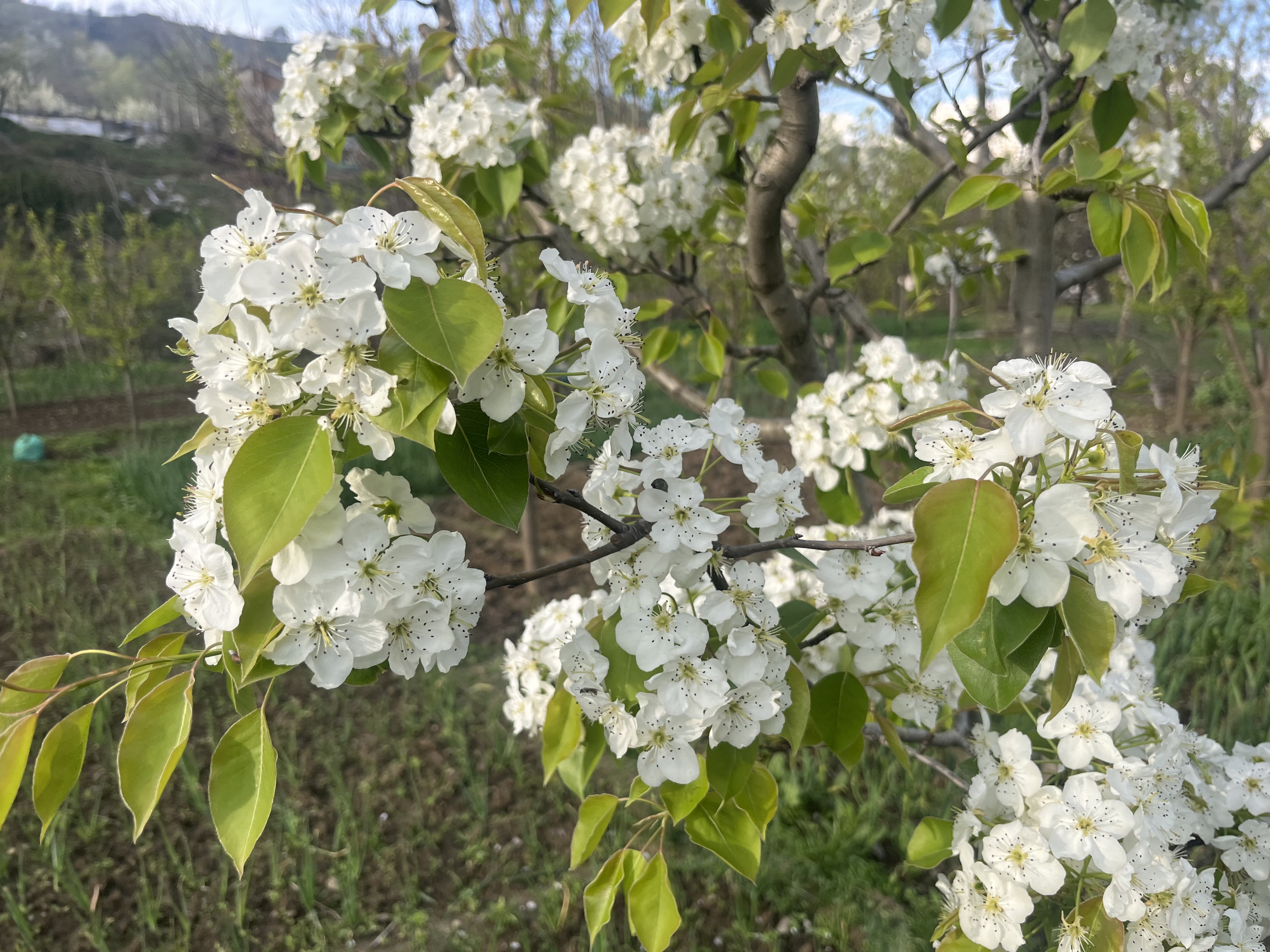
Our valley is deeply connected with horticulture, as it stands among the prime sectors supporting our economy alongside tourism and agriculture. A large portion of the rural population in Kashmir is directly involved in this sector, while even those living in urban areas are indirectly linked to it through trade, transport, and related businesses. Almost every household, in one way or another, depends on horticulture—particularly the cultivation of apples, pears, cherries, almonds, and other fruits.
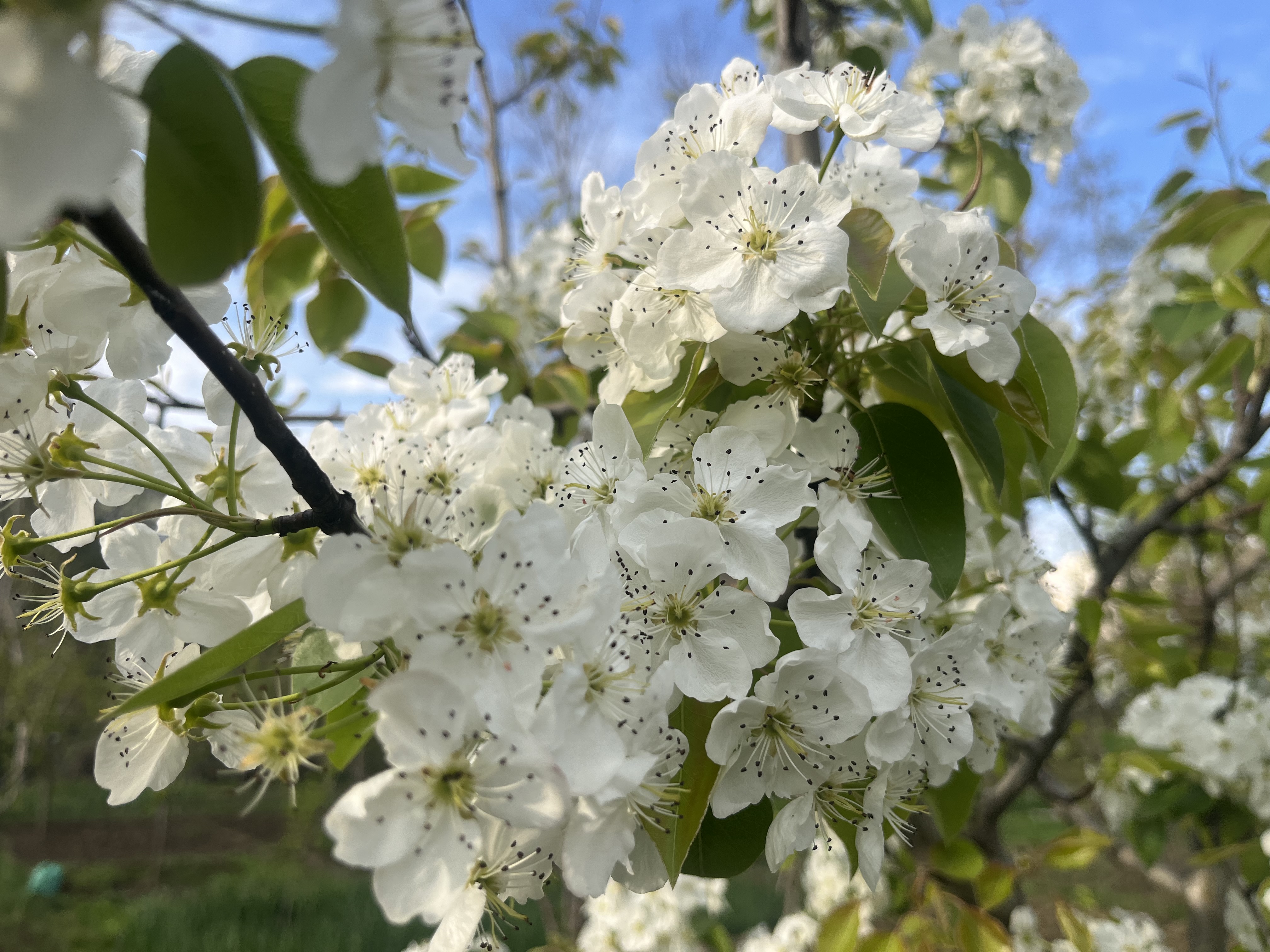
With the arrival of spring, we had hoped for dry weather during the bloom period. However, in recent years, this pattern has changed. Rainfall during the flowering stage, along with sudden drops in temperature, has been causing significant damage. These conditions affect pollination, as pollinating agents that are usually active in warm weather become less active or absent altogether. Now, with continuous rainfall over the past few days and forecasts suggesting more rain in the coming week, the bloom period may pass with very little successful pollination.
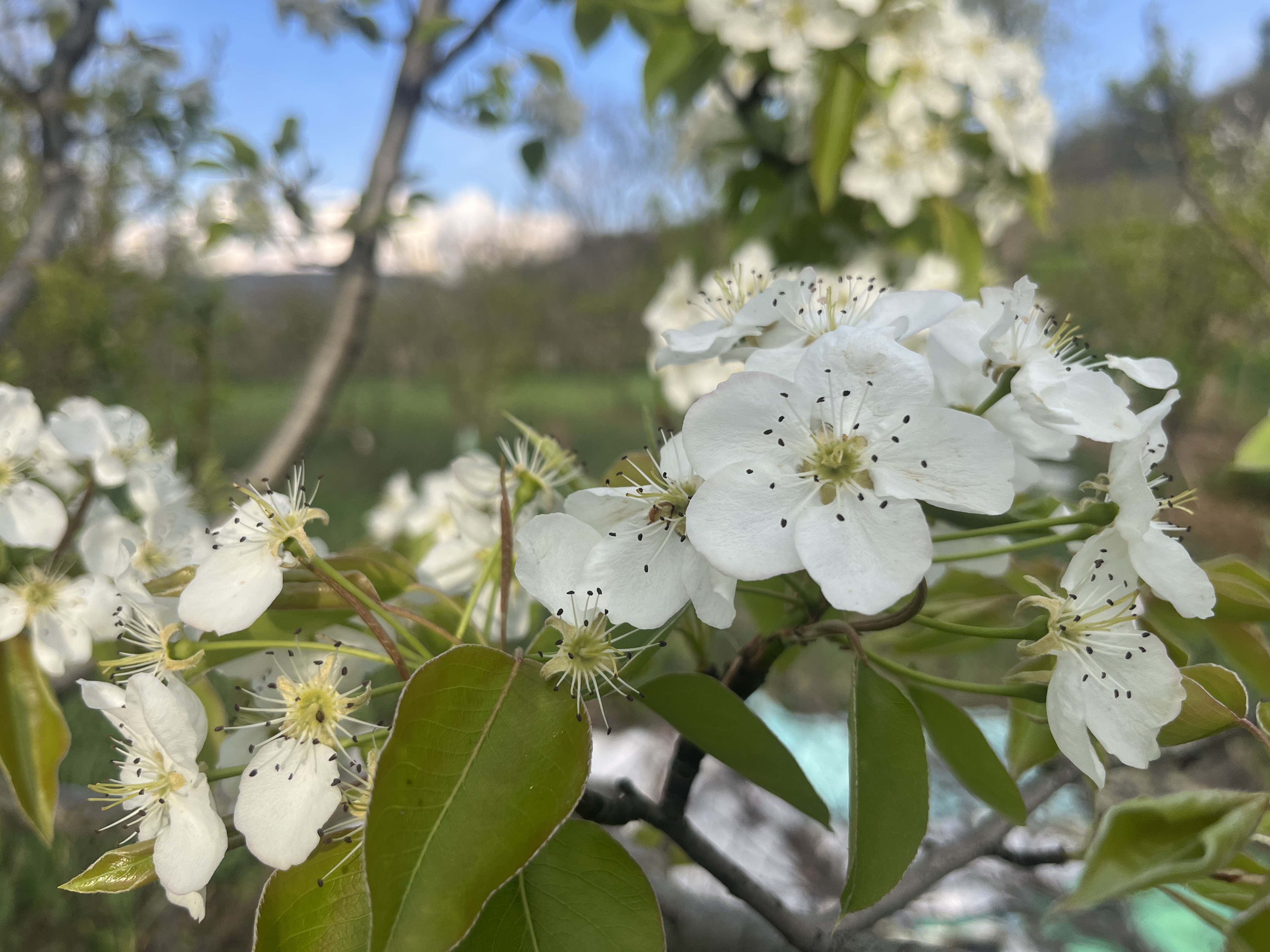
This situation is likely to create challenges ahead, just as we have experienced in previous years. The changing climate has disrupted the natural cycle we once relied on—earlier, winters were wetter and spring remained relatively dry, especially during bloom time, which supported good fruit production. Now, the pattern seems reversed, with insufficient winter precipitation and excessive rainfall during spring, affecting overall crop health and yield.
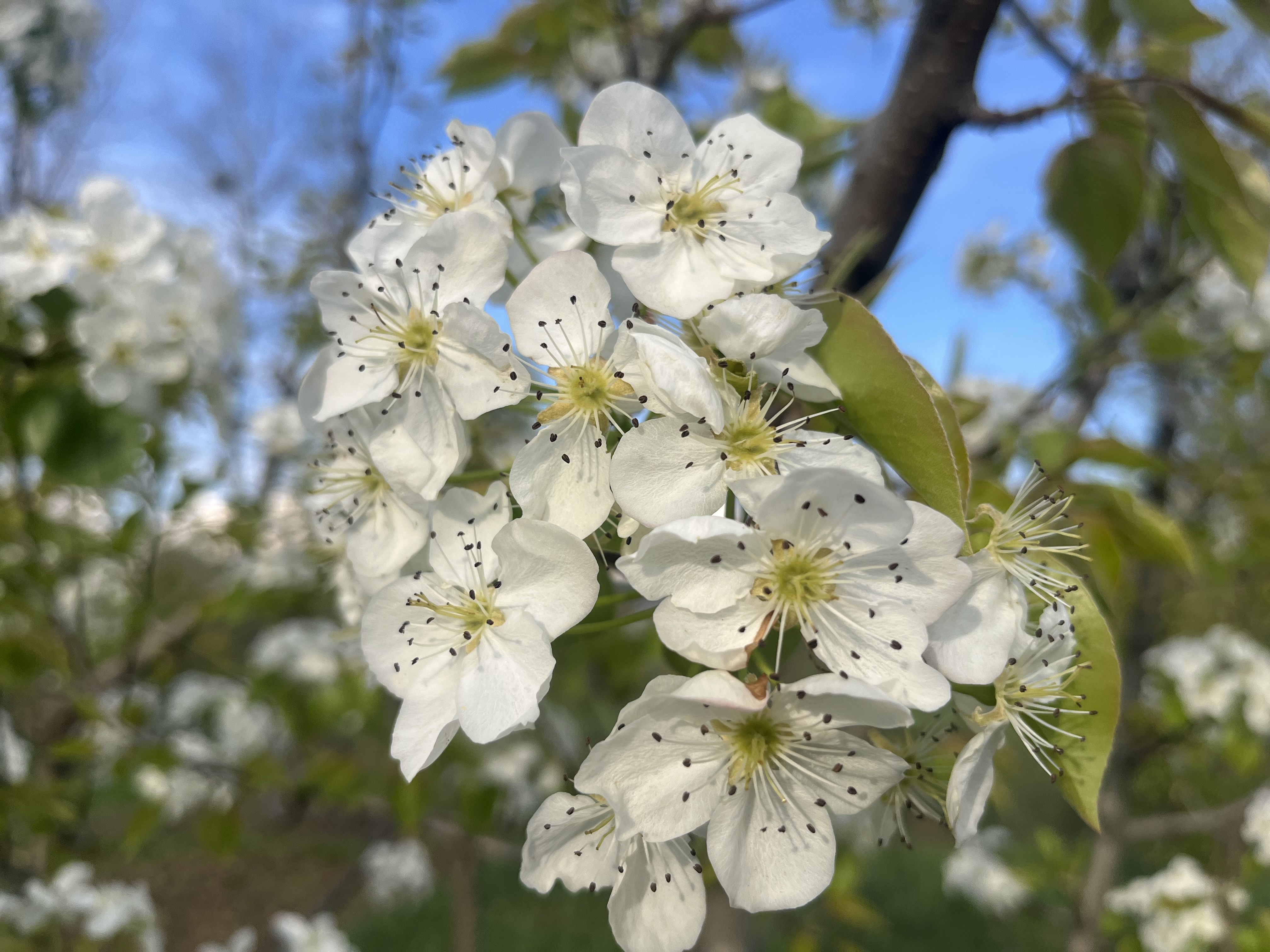
This year again, the combination of rainfall and low temperatures during the critical stage may result in reduced production by the end of the season. Climate change is clearly making its presence felt, impacting livelihoods regardless of our role in causing it. Its effects are widespread and unavoidable.
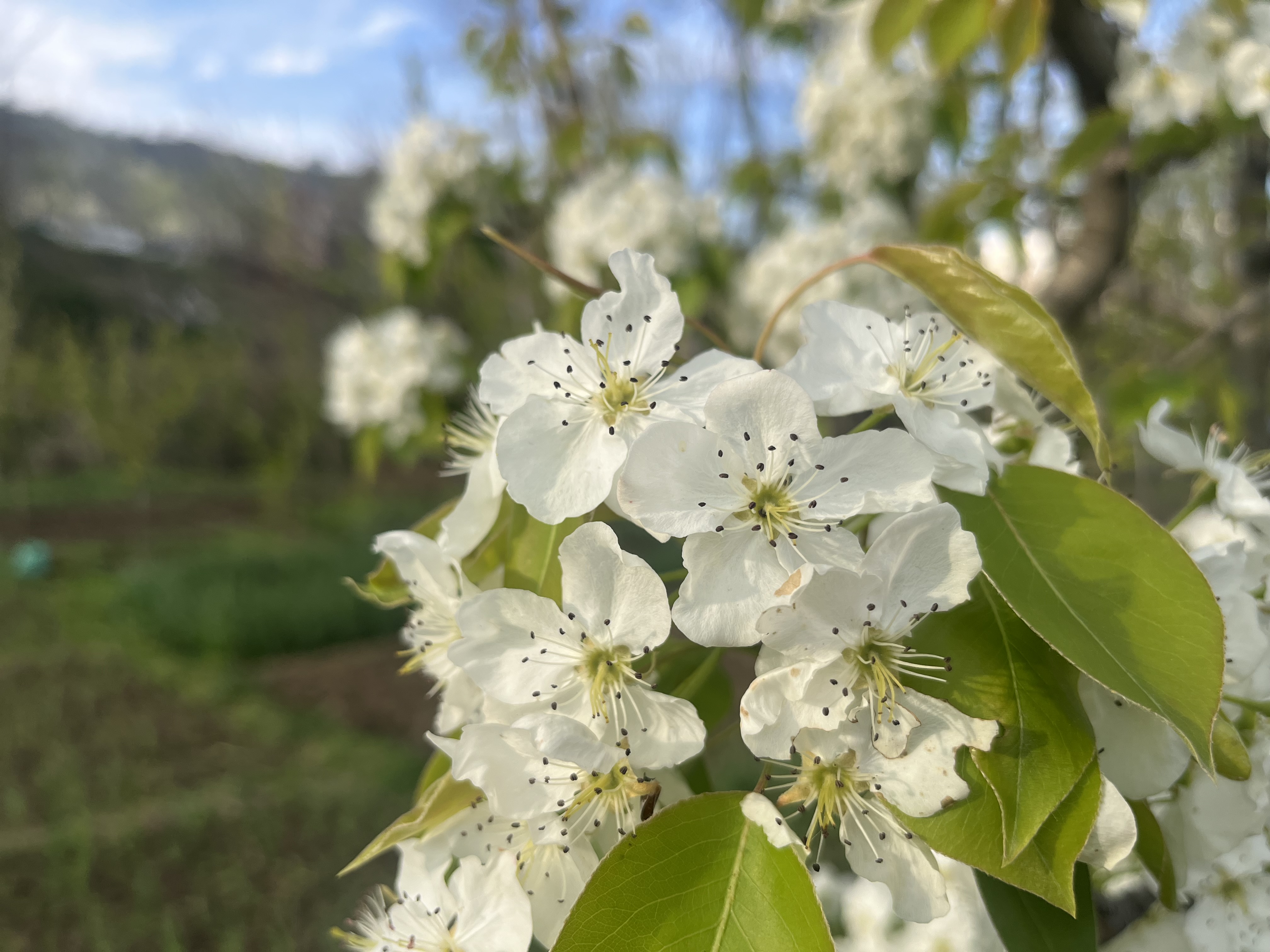
Moreover, these unfavorable weather conditions also prevent us from carrying out essential orchard practices like spraying pesticides. Such activities require dry weather, and continuous rain renders them ineffective. Working outdoors also becomes difficult under these conditions.
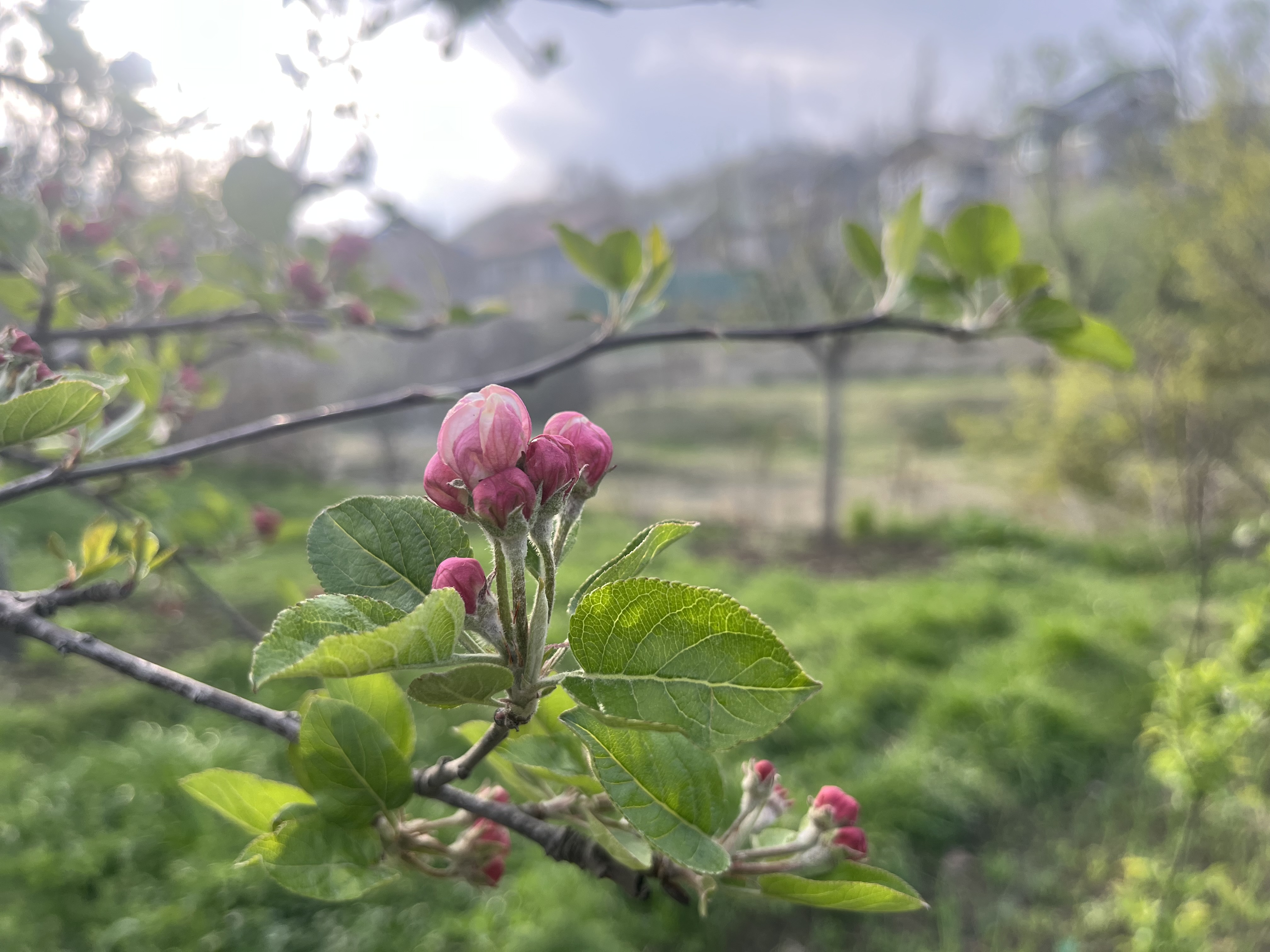
Despite these challenges, hope remains. With all the hard work and care invested in our orchards, we still look forward to a reasonable harvest and pray for better conditions in the days ahead.
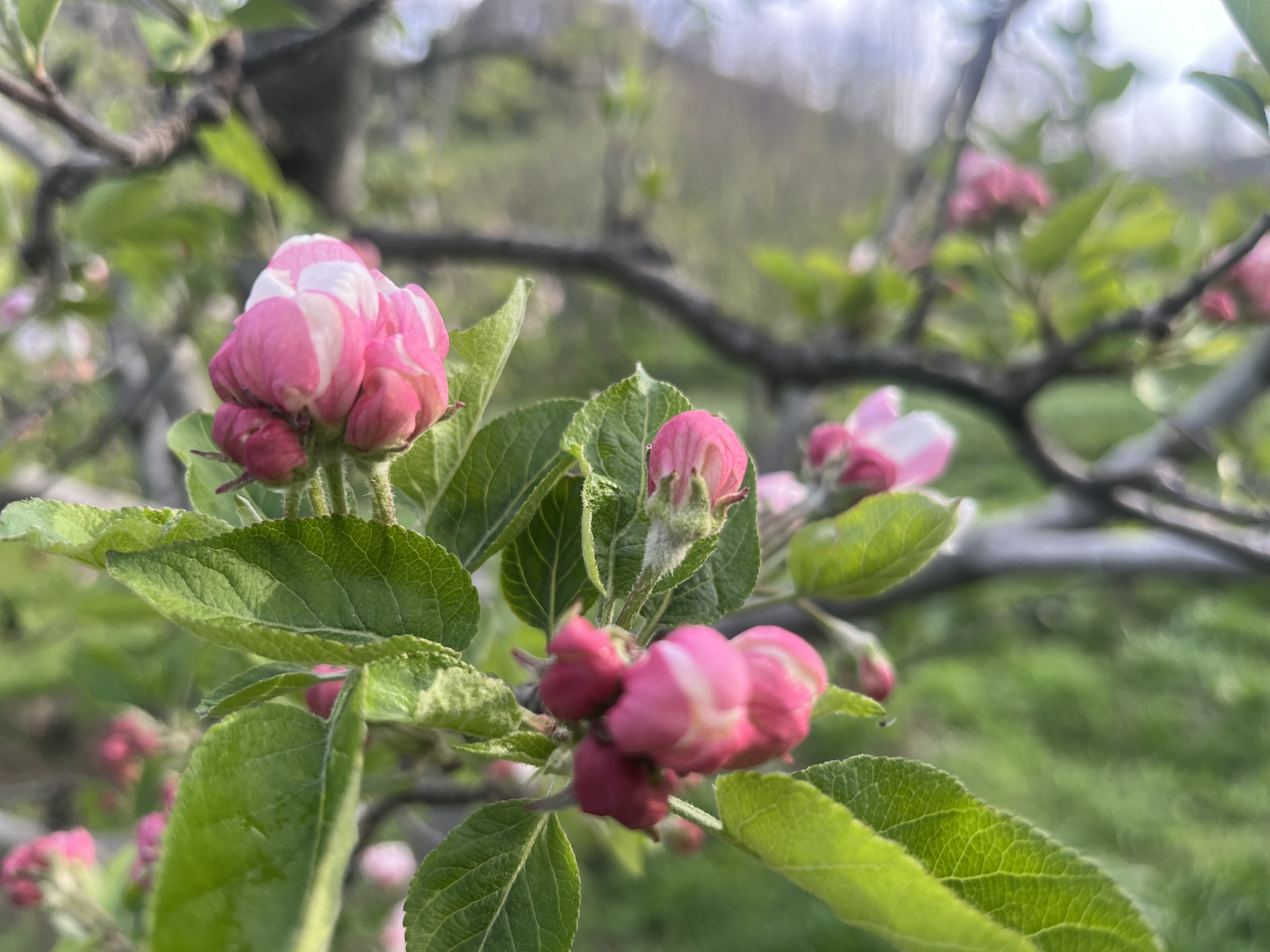
More precipitation during this part of the year also hampers our plantation activities, because planting trees in such weather becomes quite difficult. Here, we already have a limited window for plantation, and when continuous rainfall occurs during these crucial days, it poses an additional challenge.