Summer Flower Bed Planning for High Traffic Sites
Summer places different demands on commercial landscapes. Heat increases stress on plants. Irrigation systems run more often. Foot traffic rises around outdoor spaces. What worked in spring often fails under these conditions.
Many properties struggle with summer flower beds because they treat them as a continuation of spring. In reality, summer planting requires a new approach focused on durability, water management, and sustained color.
https://1sourceutah.com/seasonal-color-and-planting-services/
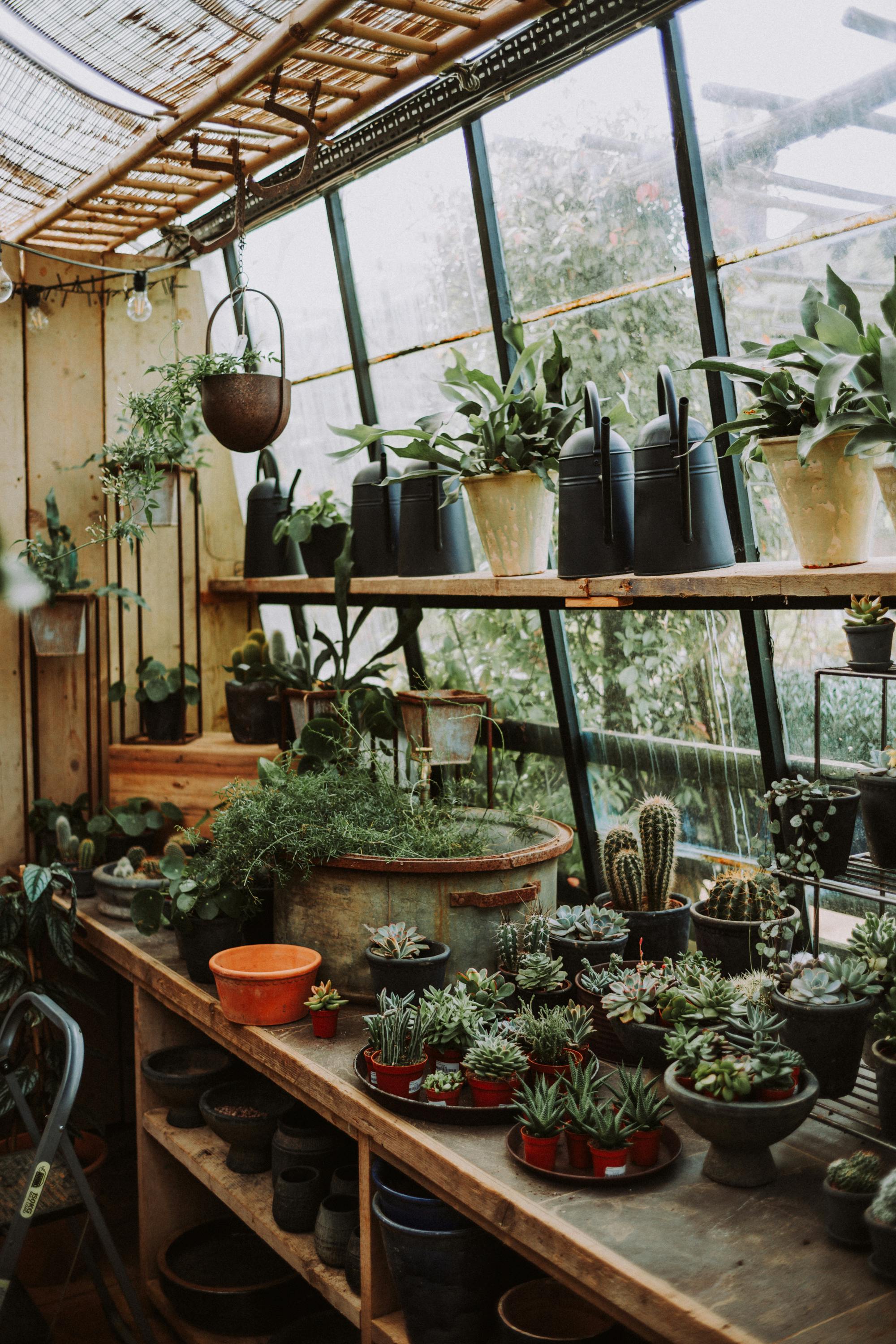
What summer flower bed planting includes
Summer planting involves replacing or supplementing spring flowers with varieties that tolerate heat, direct sun, and longer days. It also requires adjustments to soil, irrigation, and maintenance routines.
A seasonal planting service overview shows that summer installations are part of a rotating program that accounts for changing conditions rather than repeating the same setup year round.
Typical elements include:
• Removal of declining spring plants
• Soil refresh and conditioning
• Selection of heat tolerant flowers
• Adjusted spacing for airflow
• Mulching to reduce evaporation
• Irrigation system review
These steps help beds remain stable through peak heat.
Why summer beds often fail
Summer failures usually come from ignoring environmental stress.
Common issues include:
• Using plants that cannot handle full sun exposure
• Overwatering in response to heat
• Poor drainage leading to root rot
• Soil that dries out too quickly
• Plant crowding that traps heat
• Lack of maintenance during high growth periods
These problems cause rapid decline, even if the installation looked strong at the start.
How to evaluate site conditions for summer
Summer conditions vary across a single property. Some areas receive full sun all day. Others sit in partial shade. Wind exposure also changes how quickly soil dries.
Review:
• Sun patterns from morning to afternoon
• Heat reflection from pavement and buildings
• Irrigation coverage consistency
• Drainage after heavy watering
• High traffic areas that affect soil compaction
This evaluation helps match plants to conditions.
Choosing plants for summer performance
Summer plants need to tolerate heat without constant intervention.
Look for:
• Strong root systems
• Resistance to drought conditions
• Stable bloom cycles
• Minimal sensitivity to direct sun
• Consistent color under stress
Avoid mixing plants with very different water needs in the same bed.
Spacing and airflow matter
Crowded beds trap heat and moisture. This creates conditions for disease and uneven growth.
Maintain:
• Adequate spacing between plants
• Clear airflow through the bed
• Room for plant expansion over time
This reduces stress during peak temperatures.
Soil and moisture control
Summer planting depends heavily on soil condition. Dry soil loses nutrients quickly and becomes compacted.
Preparation should include:
• Adding organic matter
• Breaking up compacted layers
• Checking irrigation distribution
• Adjusting watering schedules
Mulch plays a larger role in summer than in spring. It helps retain moisture and regulate temperature.
How to manage irrigation in summer
More water does not always solve heat stress. Overwatering creates different problems.
Focus on:
• Deep watering rather than frequent shallow watering
• Checking for runoff or pooling
• Adjusting timing based on temperature
• Monitoring plant response rather than following a fixed schedule
A structured planting service often includes irrigation checks as part of installation, which helps avoid early decline.
Designing beds for visibility and durability
Summer beds should maintain appearance under stress. That requires balancing color with durability.
Focus on:
• High visibility areas first
• Consistent color blocks rather than scattered planting
• Plants that maintain shape without constant trimming
• Clear edges and defined bed lines
This approach keeps the property looking organized even during peak heat.
Common mistakes to avoid
Watch for:
• Reusing spring layouts without adjustment
• Ignoring irrigation system limitations
• Planting during extreme heat without preparation
• Overcrowding for immediate impact
• Skipping maintenance during busy periods
These mistakes reduce the lifespan of the planting.
How to compare planting services
When reviewing providers, ask:
• How do you adjust plant selection for summer conditions
• What preparation steps are included
• How do you handle irrigation checks
• What maintenance is expected after installation
• How do you plan for fall transition
A seasonal color planting service overview from 1 Source highlights rotation, preparation, and plant selection based on conditions. These are useful factors when comparing providers.
Maintenance during summer
Summer requires more frequent monitoring.
Key tasks include:
• Checking soil moisture regularly
• Removing damaged plants quickly
• Controlling weeds
• Monitoring for pests
• Adjusting irrigation schedules
Skipping maintenance leads to rapid decline.
Why summer planting requires a different mindset
Summer is not about introducing new color only. It is about maintaining stability under stress.
Commercial properties benefit from planting that holds up over time, not only at installation. That requires planning, proper preparation, and consistent maintenance.
Summer flower bed planting works best when it reflects real site conditions and prioritizes durability alongside appearance.