Cross-Generational Skill Swaps: Building Community Through Knowledge Exchange
In the modern landscape of social connectivity, the speed at which a group transitions from a collection of individuals to a cohesive unit is often the difference between project success and stagnation. Trust is the invisible glue of any society, but it doesn't appear by magic. This deep dive into community dynamics reveals that radical transparency and emotional openness are the primary catalysts for building lasting bonds in record time.
The concept of community trust formation is often viewed as a slow, organic process that must span years. However, recent insights into cross-generational collaboration suggest that when individuals intentionally lower their guards, the timeline for trust significantly shrinks. According to insights shared by Build Bonding, the willingness to be vulnerable and open about objectives, fears, and skills creates a "trust shortcut" that bypasses the traditional, often guarded phases of early group development.
The Science of Openness in Community Trust Formation
At its core, trust is a calculation of risk. When we enter a new community, our brains naturally scan for threats, hidden agendas, and social hierarchies. Openness acts as a signaling mechanism that lowers the perceived risk for everyone involved. By being transparent about intentions and capabilities from the outset, you eliminate the guesswork that leads to skepticism.
In the context of a community, openness isn't just about sharing personal stories; it’s about structural transparency. This involves clear communication regarding how decisions are made, how resources are shared, and how conflicts are resolved. When these elements are visible to all members, the "psychological safety" of the group increases, allowing members to contribute their best work without fear of exploitation.
Breaking Barriers: The Cross-Generational Skill Swap
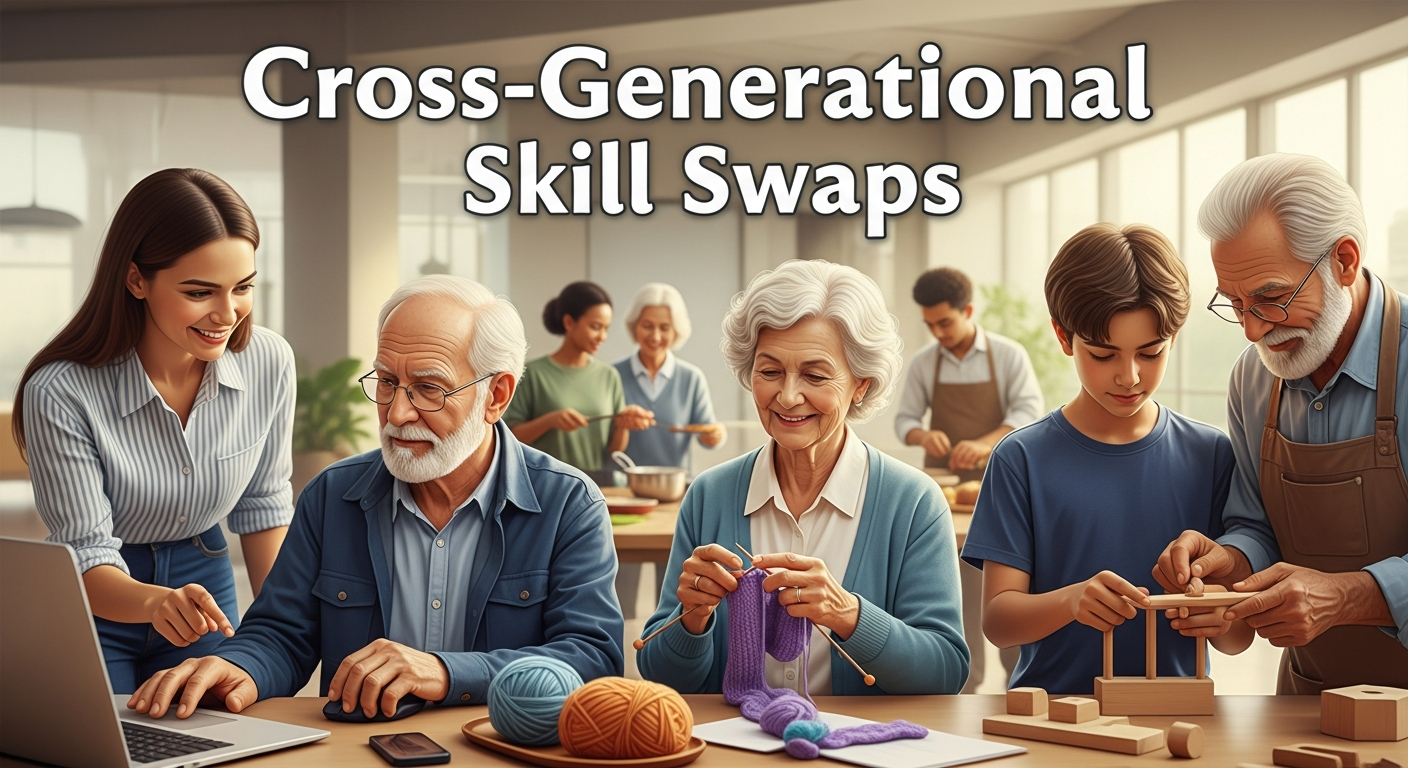
One of the most effective ways to accelerate trust is through a structured cross-generational skill swap. This model disrupts traditional power dynamics by placing different age groups in both the role of the teacher and the student. For example, a Gen Z member might teach an elder about digital content creation, while the elder provides mentorship on long-term strategic thinking or conflict mediation.
This mutual exchange requires a high degree of openness. Both parties must admit what they do not know, which is the ultimate act of trust-building. As highlighted by Build Bonding, these interactions serve as a laboratory for trust, where the "currency" of the exchange is knowledge rather than social status. This environment fosters a sense of equality that is essential for any resilient community.
Why Transparency Reduces Social Friction
Friction in communities usually stems from "asymmetric information"—when some members know more than others, or when motives are obscured. Openness solves this by leveling the playing field. When a community adopts a culture of radical honesty, the following benefits emerge:
Reduction in Rumors: Transparency leaves no room for the "grapevine" to distort facts.
Faster Conflict Resolution: Issues are addressed as they arise rather than being suppressed until they explode.
Enhanced Engagement: Members who feel they are "in the loop" are significantly more likely to invest their time and emotional energy.
Practical Steps to Foster Openness
Implementing a culture of openness requires more than just a declaration; it requires consistent practice. Communities should focus on creating "open loops" of feedback where every member feels empowered to speak. This can be achieved through:
Vulnerability Modeling: Leaders must be the first to admit mistakes or uncertainties to set the tone for the rest of the group.
Shared Documentation: Maintaining a "public" record of goals and progress ensures everyone is aligned with the community's North Star.
Active Listening Sessions: Creating dedicated spaces where members can share their experiences without the pressure of immediate problem-solving.
The Role of Emotional Intelligence
Community trust formation is as much an emotional endeavor as it is a structural one. Openness requires a high degree of emotional intelligence (EQ) to navigate the nuances of different communication styles across generations. Understanding that a "thumbs up" emoji might mean something different to a 20-year-old than it does to a 60-year-old is a small but vital part of maintaining the bridge of trust.
Conclusion: Building a Future on Foundation of Trust
In an era defined by digital isolation and social fragmentation, the ability to form deep, trusting communities is a superpower. By prioritizing openness, we can accelerate the formation of these bonds, creating spaces where cross-generational wisdom flows freely and everyone feels a sense of belonging. The path to a stronger community starts with the courage to be open.
Read the Full Article
To truly master the art of community building and explore the intricate mechanics of trust-building in cross-generational environments, we encourage you to read the source material in its entirety. The full article provides deeper case studies and actionable frameworks for any community leader or member.
👉 Read the full article here: https://www.buildbonding.com/cross-generational-skill-swap/openness-accelerates-community-trust-formation/