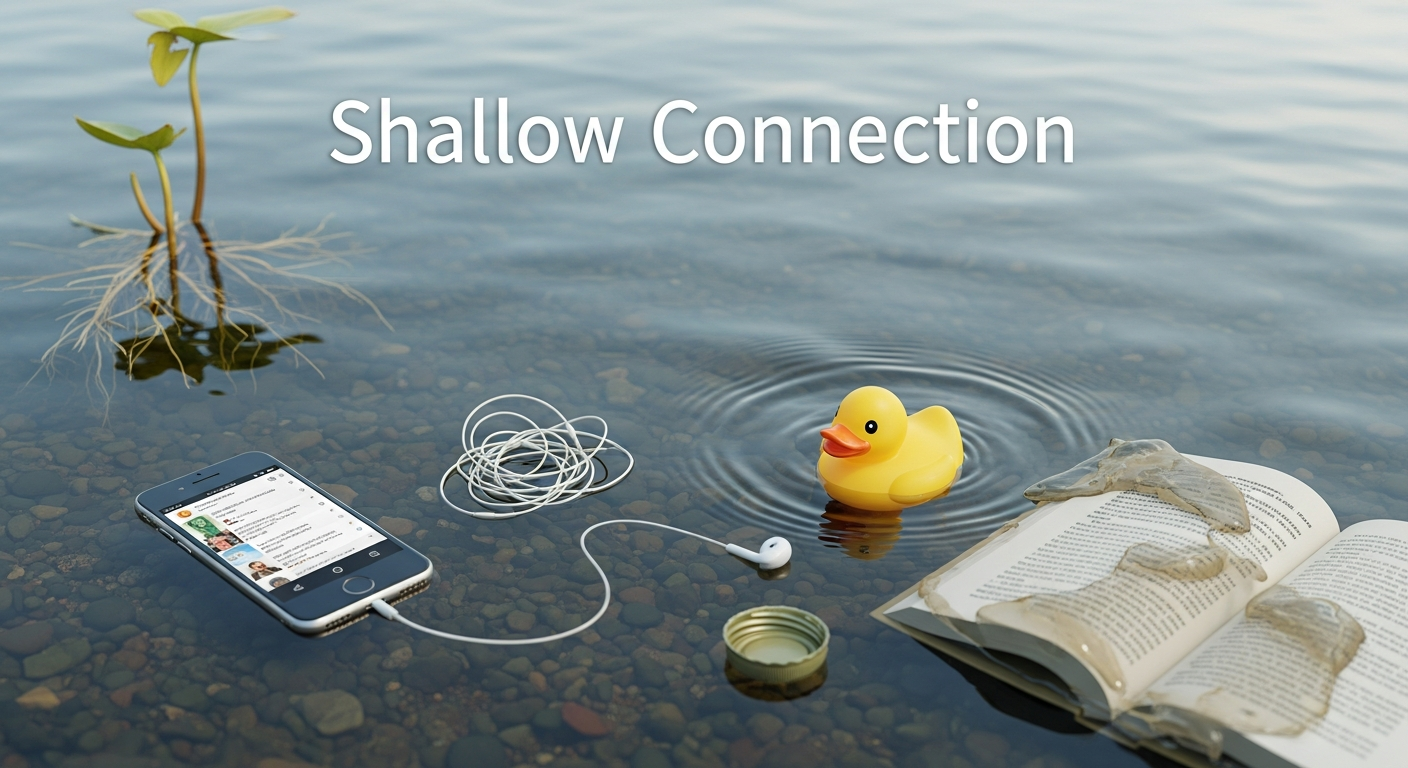
Solving the "Shallow Connection" Trap in Online Communities with Asynchronous Shared Experiences
In today’s hyper-connected digital world, online communities have become central to social interaction, learning, and professional networking. From hobbyist forums and social media groups to niche professional communities, people increasingly rely on virtual spaces to find connection. Yet despite their promise, many online communities struggle with a pervasive challenge: shallow connections. Members may join, skim content, or post sporadically, but true engagement—deep, meaningful interaction—is rare. How can community managers and designers move beyond surface-level interactions? One powerful approach is fostering asynchronous shared experiences.
The Problem of Shallow Connections
Shallow connections in online communities occur when interactions remain fleeting and transactional. Members may like, comment, or post once in a while, but the bonds between users remain thin. This creates several issues:
High member churn – Participants leave because they don’t feel invested.
Low engagement metrics – Activity is sporadic, with limited discussions or collaborations.
Fragmented community culture – Without deeper bonds, shared norms, values, and identity fail to form.
Research shows that meaningful engagement stems from shared experiences that cultivate trust and understanding. In traditional communities, this occurs naturally: neighbors bond over local events, coworkers over shared projects, and hobbyists over collective experiences. Translating this to online spaces, however, requires intentional design.
What Are Asynchronous Shared Experiences?
Asynchronous shared experiences are collaborative or communal activities that don’t require participants to engage at the same time. Unlike live events or synchronous chats, asynchronous experiences allow members to contribute at their convenience while still participating in a collective activity. Examples include:
Discussion threads on prompts – Members respond to questions or challenges over time.
Collaborative content creation – Community-generated wikis, shared playlists, or co-authored guides.
Time-delayed challenges or games – Participants complete tasks on their own schedule, contributing to a cumulative outcome.
Storytelling chains – Each member adds a section, building a collective narrative over days or weeks.
These experiences create a sense of “we are in this together” without demanding simultaneous availability, which is critical for global or busy communities.
How Asynchronous Experiences Deepen Engagement
Fostering Psychological Investment
When members contribute to a shared project or discussion, they feel a sense of ownership. For instance, adding a paragraph to a community story or updating a shared guide creates personal stakes in the outcome. This psychological investment motivates recurring participation.
Encouraging Reflection and Thoughtful Responses
Unlike synchronous interactions, asynchronous participation allows members time to reflect, research, or craft their responses. This often leads to higher-quality contributions, sparking richer discussions and deeper learning.
Reducing Barriers to Participation
Not everyone can join live sessions due to time zones, schedules, or personal commitments. Asynchronous models lower entry barriers, making the community more inclusive and diverse, which further strengthens connections.
Building Cumulative Social Proof
Over time, contributions accumulate. Seeing others’ thoughtful posts or completed collaborative tasks reinforces the value of participation, creating a positive feedback loop that strengthens engagement and trust.
Implementing Asynchronous Experiences Effectively
Creating meaningful asynchronous shared experiences requires deliberate planning. Here are practical strategies:
- Design Clear, Goal-Oriented Activities
Activities should have clear objectives, whether it’s creating a resource, completing a challenge, or sharing personal stories. Clear purpose gives participants context and motivation, preventing aimless participation.
Example: A photography community could host a “Weekly Photo Story” challenge. Members post images inspired by a theme, add a short narrative, and comment on others’ posts.
- Encourage Layered Interaction
Allow for multiple levels of participation. Some members may post content, while others comment or provide feedback. Layered interaction ensures even less active members feel involved and valued.
Example: In a coding forum, one group could contribute code snippets, another could review and improve them asynchronously, and a third could provide discussion or critique.
- Highlight Progress and Contribution
Tracking progress and displaying contributions can reinforce engagement. Badges, leaderboards, or progress bars can provide motivation, but the emphasis should remain on collective accomplishment, not competition alone.
- Foster a Culture of Recognition
Acknowledgment and appreciation strengthen social bonds. Highlighting valuable contributions or featuring member-generated content reinforces that their participation matters.
- Integrate Tools for Ease of Participation
Seamless technology supports asynchronous engagement. Features like threaded comments, collaborative documents, or shared media boards reduce friction and encourage sustained activity.
Case Studies and Examples
Reddit AMA Threads – Users post questions over hours or days, creating a rich archive of interaction without needing to be online simultaneously.
Duolingo Forums – Language learners contribute corrections, tips, and exercises asynchronously, forming long-lasting bonds and collaborative learning.
Open Source Communities – GitHub projects rely heavily on asynchronous contributions, where developers collaborate across time zones, gradually building shared ownership and trust.
These examples illustrate that asynchronous experiences can transform casual participation into committed involvement.
Measuring Success
Community managers should track engagement metrics, but also qualitative indicators like:
Depth of discussions (average comment length, multi-step replies)
Repeat participation in collaborative activities
Member sentiment and expressed sense of community
Quality of shared artifacts (guides, stories, projects)
Success is not only higher activity but also a stronger emotional connection, trust, and community identity.
Conclusion
Shallow connections are a common pitfall in online communities, but they are not inevitable. By designing asynchronous shared experiences, community leaders can cultivate deeper engagement, trust, and meaningful relationships. These experiences provide flexible participation, encourage thoughtful contribution, and create shared ownership, turning casual members into invested community participants.
In a digital landscape crowded with fleeting interactions, asynchronous shared experiences offer a path to lasting connection—a way for online communities to evolve from scattered networks into thriving, cohesive social ecosystems.
Read more about this topic: https://www.buildbonding.com/solving-the-shallow-connection-trap-in-online-communities-with-asynchronous-shared-experiences/