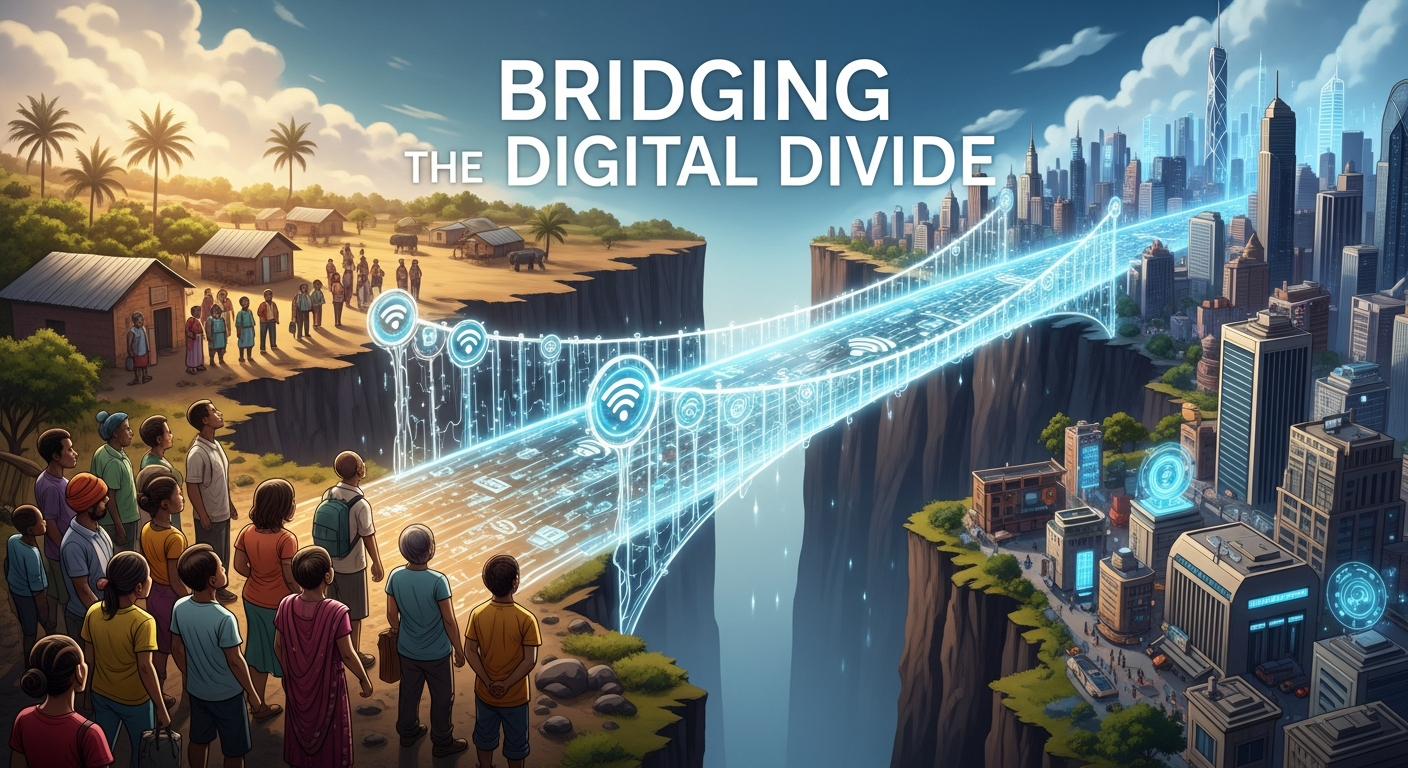
Bridging the Digital Divide: Ensuring Digital Equity for Thriving Communities
In today’s hyper-connected world, access to the internet and digital technologies is no longer a luxury—it is a necessity. From education and healthcare to employment and civic engagement, digital tools play a pivotal role in enabling individuals and communities to thrive. Yet, millions of people around the globe remain on the wrong side of the digital divide, unable to fully participate in society’s digital landscape. Bridging this divide and promoting digital equity has become a critical goal for governments, organizations, and communities alike.
Understanding the Digital Divide
The digital divide refers to the gap between those who have reliable access to technology and the internet and those who do not. This divide exists on multiple levels:
Infrastructure: Some communities, particularly in rural or low-income areas, lack high-speed internet or adequate network coverage.
Affordability: Even where connectivity exists, high costs of devices and data plans can prevent people from going online.
Digital Literacy: Access alone is not enough; individuals must have the knowledge and skills to navigate digital platforms effectively.
The consequences of this divide are far-reaching. Students without internet access struggle to complete assignments, job seekers miss out on opportunities posted online, and patients cannot access telehealth services. Communities deprived of digital resources risk being left behind in a rapidly evolving society.
Why Digital Equity Matters
Digital equity is the fair and inclusive access to technology, internet connectivity, and the skills needed to use them effectively. Ensuring digital equity is not just a matter of fairness—it’s a catalyst for thriving communities.
Educational Opportunities: Students with reliable internet and devices can access online learning, research resources, and collaborative tools. Digital equity ensures every child, regardless of background, has an equal chance to succeed academically.
Economic Growth: Entrepreneurs, freelancers, and small businesses increasingly rely on digital platforms for marketing, sales, and operations. Communities with digital access are better positioned to attract investment, create jobs, and stimulate local economies.
Healthcare Access: Telemedicine and digital health tools have become vital, especially in underserved areas. Digital equity allows patients to consult doctors remotely, access health information, and manage chronic conditions effectively.
Civic Participation: Government services, voting information, and community initiatives often move online. Bridging the digital divide ensures citizens can engage fully in democratic and civic processes.
Challenges to Achieving Digital Equity
Despite its importance, achieving digital equity is complex. Several challenges persist:
Infrastructure Gaps: Remote areas still lack fiber-optic networks or broadband coverage, making connectivity unreliable or nonexistent.
Affordability Issues: High costs of devices, internet subscriptions, and maintenance keep low-income families offline.
Education & Literacy: Even with access, many people lack the skills to navigate the digital world, leaving them vulnerable to misinformation or unable to leverage online opportunities.
Policy & Coordination: A fragmented approach among governments, private companies, and nonprofits can slow progress toward comprehensive solutions.
Strategies to Bridge the Digital Divide
Addressing these challenges requires a multi-pronged approach that combines technology, education, policy, and community engagement.
Expanding Infrastructure: Governments and telecom providers must invest in high-speed internet for underserved regions. Programs that promote affordable broadband or wireless hotspots can help reach marginalized populations.
Subsidizing Access: Affordable devices and subsidized data plans are essential. Nonprofits and tech companies can collaborate to distribute low-cost laptops, tablets, or smartphones to low-income families.
Promoting Digital Literacy: Education programs, workshops, and community training centers equip people with essential skills—from basic computer use to cybersecurity awareness. Digital literacy initiatives empower individuals to participate confidently online.
Public-Private Partnerships: Collaboration between governments, businesses, and community organizations accelerates digital inclusion. Initiatives like community Wi-Fi zones, tech incubators, and digital mentorship programs foster long-term growth.
Policy Frameworks: Legislation that prioritizes digital equity—such as funding for broadband expansion or incentives for inclusive tech—ensures sustained attention and accountability.
Case Study: A Community Transformation
In many cities, local governments and nonprofits have successfully implemented programs to bridge the digital divide. For example, public libraries have transformed into digital hubs, offering free internet, computer access, and digital training for residents. In rural areas, community-driven broadband initiatives connect entire neighborhoods, enabling students to complete homework, farmers to access market data, and small businesses to reach broader audiences. These examples demonstrate that with strategic investments and community collaboration, digital equity is achievable.
The Role of Individuals and Communities
While systemic solutions are crucial, individual and community efforts play a significant role. Volunteering to teach digital skills, donating devices, or advocating for local broadband initiatives can help accelerate digital inclusion. When communities work together, they create a supportive environment where technology empowers everyone rather than leaving some behind.
Looking Ahead
As the world continues to digitize, the cost of inaction is high. Those without access to technology risk being further marginalized, exacerbating social and economic inequalities. Bridging the digital divide is more than a technological challenge—it’s a moral and social imperative. By investing in infrastructure, affordability, digital literacy, and collaborative solutions, we can build inclusive communities where everyone has the opportunity to thrive in the digital age.
Digital equity is not just about connectivity—it’s about empowerment. When communities are digitally connected and informed, they can innovate, educate, and prosper together. The digital divide may be daunting, but with shared commitment, it can be bridged, ensuring that technology serves as a tool for collective growth rather than a barrier to progress.
Read more about this topic: https://www.buildbonding.com/bridging-the-digital-divide-digital-equity/