A Beginner’s Guide to Conservatory Roof Insulation
If you’re a homeowner in the Southwest of England, you’ve likely noticed how tricky it can be to use your conservatory year-round. Glass or polycarbonate roofs may let in light, but they rarely provide comfort. Winters can be bitterly cold, while summer heat can make the space unbearable. That’s where conservatory roof insulation comes in—it’s an essential upgrade that keeps your space comfortable, energy-efficient, and usable throughout the year.
From my experience helping families in Devon and Cornwall, upgrading a conservatory roof often transforms a rarely used room into one of the most loved spaces in a home. It’s not just about warmth; it’s about creating a versatile, practical environment.
Why Traditional Conservatory Roofs Fail
Many conservatories were built with single-glass or polycarbonate roofs. While these materials are visually appealing and allow natural light, they have major limitations:
High Heat Loss in Winter: Traditional roofs allow warm air to escape quickly, forcing your heating system to work overtime.
Overheating in Summer: Solar gain can turn the space into an uncomfortably hot environment, requiring fans or air conditioning.
Noise Problems: Rain on a polycarbonate roof can make the room noisy and distracting.
According to the Energy Saving Trust, poorly insulated extensions can increase household energy bills by up to 15%, making insulation not just a comfort upgrade, but a financial one too.
Types of Conservatory Roof Insulation
Choosing the right type of insulation is crucial. Here are the main options:
Solid Insulated Roofs
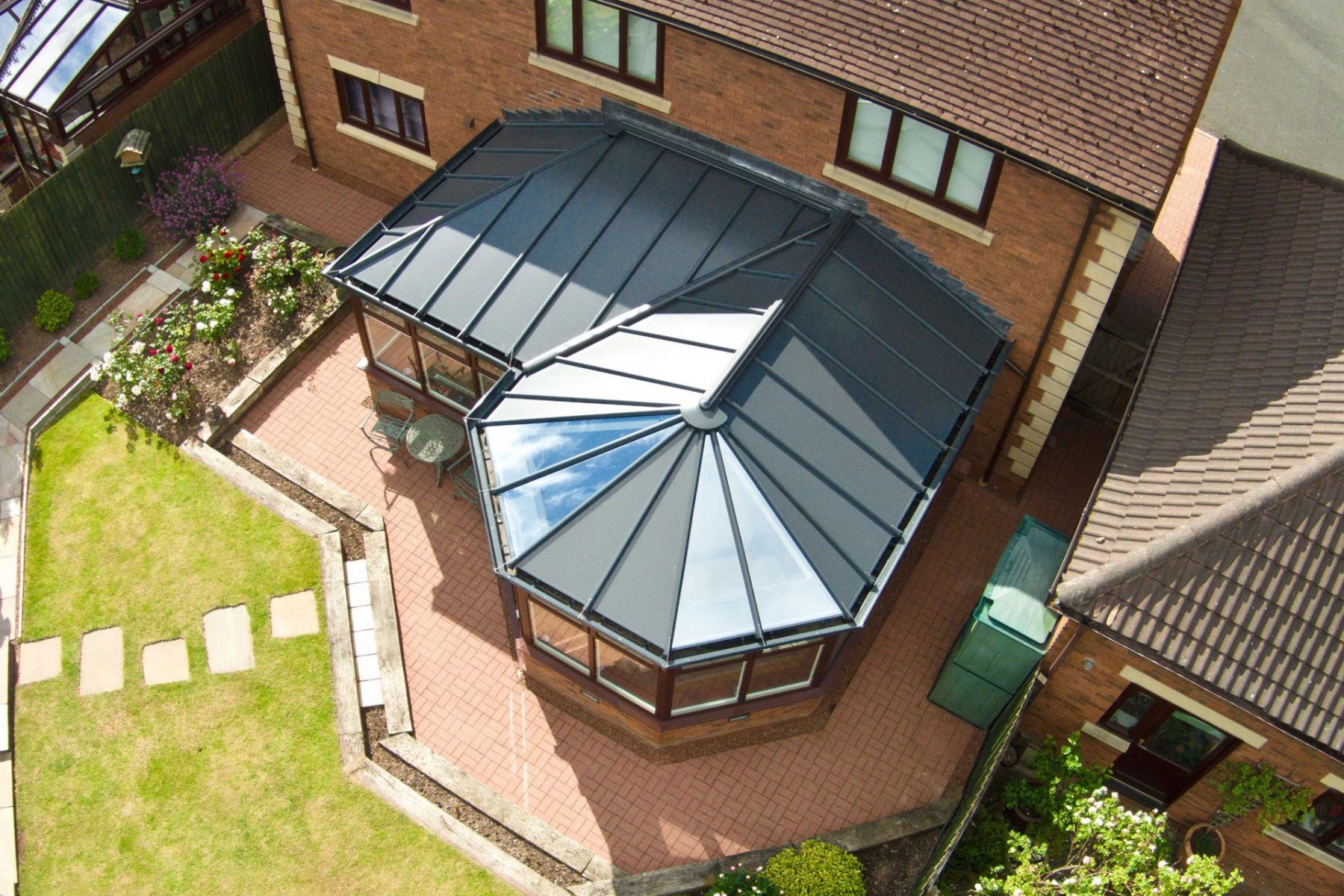
Solid roofs use insulated panels with plasterboard linings to improve thermal performance. They retain heat in winter and keep the space cool in summer, while also reducing noise.
Example: A homeowner in Exeter installed a solid insulated roof and reported their conservatory stayed warm during winter without additional heating, and heavy rain was barely noticeable.
Tiled Insulated Roofs
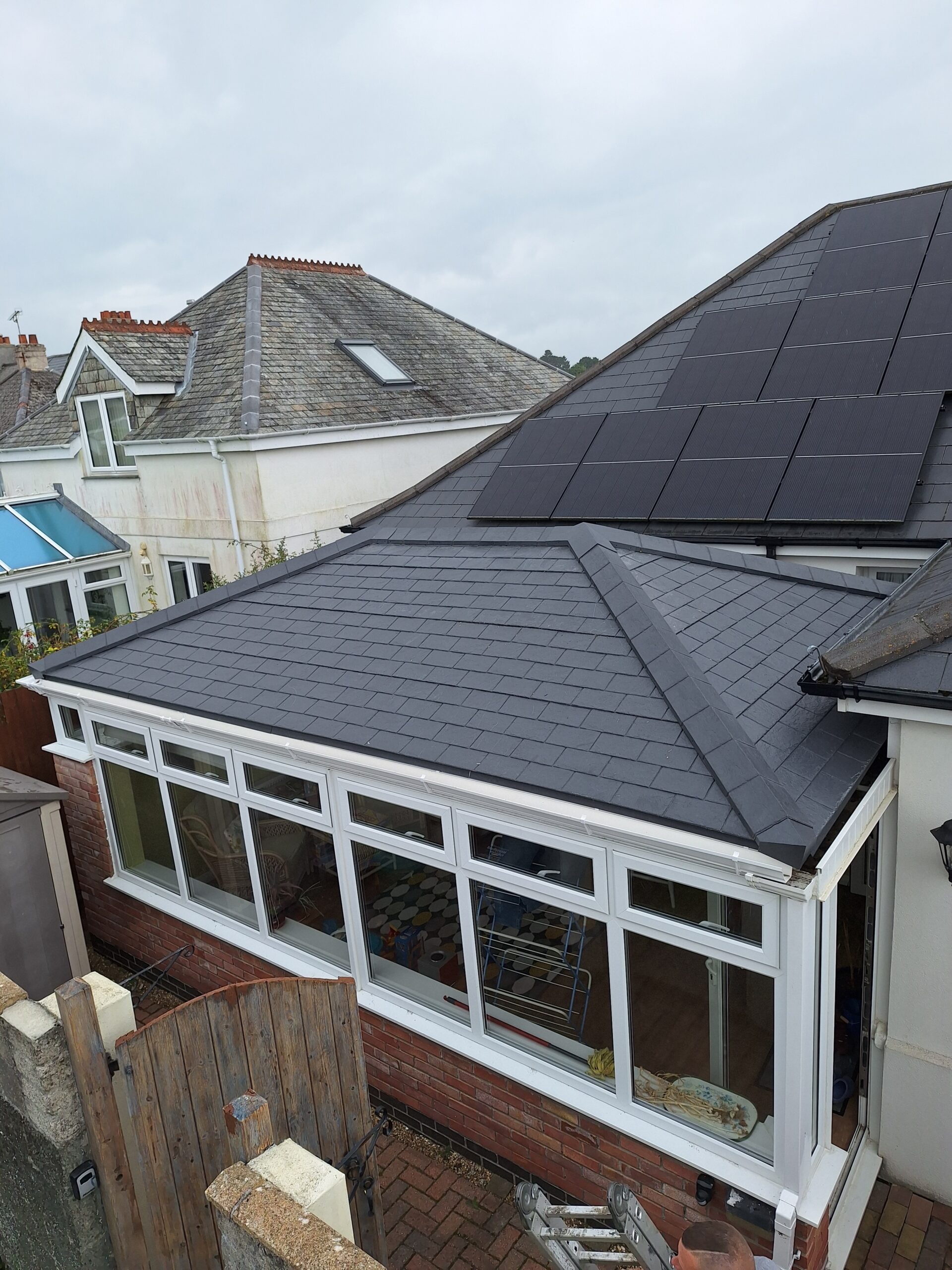
Tiled roofs combine aesthetic appeal with insulation. Beneath the tiles, a layer of thermal insulation ensures year-round comfort.
Tip: Ensure the conservatory frame can support the extra weight, as older structures may need reinforcement.
Hybrid or Glazed Insulated Roofs
Hybrid roofs combine panels with glazing, maintaining brightness while improving energy efficiency. This option works well if you love natural light but need better thermal control.
Pro advice: Look for materials with a low U-value (≤1.4 W/m²K) for maximum insulation performance.
Planning Your Insulation Project
Proper planning is essential to maximize benefits:
Assess Your Existing Roof: Identify leaks, condensation issues, and energy loss points.
Define Your Goals: Decide whether comfort, energy savings, or aesthetics is most important.
Hire Professionals: Certified installers ensure compliance with building regulations and warranty protection.
Budget Wisely: Include materials, labor, and any structural improvements.
Skipping these steps can lead to ineffective insulation and wasted money.
Common Mistakes to Avoid
Poor Ventilation: Solid roofs without vents can trap heat and moisture.
DIY Installation: Incorrect fitting can reduce insulation performance and void warranties.
Ignoring Material Specs: Not all panels provide the same thermal efficiency.
Sacrificing Light: Dense insulation without glazing can make the conservatory feel dark.
Avoiding these pitfalls ensures your new roof performs optimally.
Practical Benefits
Upgrading to a well-insulated conservatory roof brings multiple advantages:
Lower Energy Bills: Retaining heat reduces the need for extra heating or cooling.
Comfort Year-Round: Stable temperatures make the space usable in every season.
Noise Reduction: Solid or tiled roofs minimize rain and wind noise.
Increased Property Value: Energy-efficient extensions are highly desirable for buyers.
A family in Plymouth installed a hybrid insulated roof and found their previously underused conservatory became a favourite relaxation area, while energy bills dropped by nearly 10% in the first winter alone.
Expert Tips
Pair roof insulation with high-performance glazing for maximum energy efficiency.
Use vents or trickle windows to reduce condensation.
Always hire experienced installers for heavier roof types like tiled solutions.
Choose materials with low U-values for better insulation performance.
Conclusion
For Southwest homeowners, conservatory roof insulation isn’t just a nice-to-have upgrade—it’s a smart, practical investment. Proper planning, quality materials, and professional installation can turn a seasonal conservatory into a year-round sanctuary, saving energy and enhancing home value.
https://conservatoryinsulationsouthwest.com/