Container Homes for Homeless Housing: Cities Leading the Way
The global homelessness crisis demands urgent, innovative solutions. Traditional affordable housing projects take years to complete and consume enormous budgets. Cities worldwide now turn to modular container homes as a faster, cost-effective alternative. This approach provides dignified transitional housing while municipalities develop long-term strategies. Here’s how forward-thinking cities use prefabricated container house projects to shelter vulnerable populations and rebuild lives.
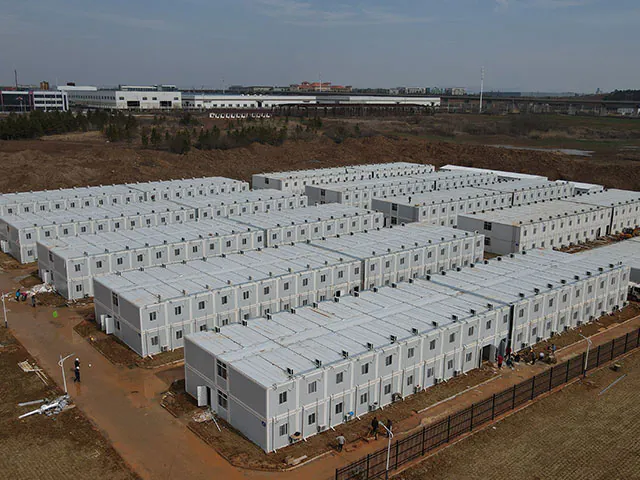
Why Modular Container Homes Work for Transitional Housing
Homeless individuals need immediate shelter—not five-year construction timelines. Modular container homes solve this urgency in several critical ways.
First, speed of deployment sets container housing apart. A traditional affordable housing project requires 3–5 years from planning to occupancy. A container housing community can move from approval to move-in within 6–12 months. Factories produce units simultaneously while crews prepare the site, compressing timelines dramatically. Cities facing emergency-level homelessness simply cannot wait for conventional construction.
Second, containers offer dignified living conditions. Modern designs include private bedrooms, bathrooms, kitchens, heating, and cooling systems. Architects configure units around shared courtyards and community spaces that encourage social connection. Residents gain privacy, safety, and a stable address—basic needs that shelters and tent encampments cannot consistently provide.
Several cities already demonstrate successful implementation. Los Angeles deployed container villages to house veterans and chronically homeless residents. London converted shipping containers into affordable micro-apartments for young people priced out of the housing market. Amsterdam built student housing communities using stacked container units. Each project proves that a well-designed prefabricated container house delivers real results for real people.
Cost Analysis: How Cities Save by Working with Container Housing Manufacturers
Municipal budgets face constant pressure. Every dollar spent on housing competes with infrastructure, education, and public safety funding. Container housing delivers significant savings compared to traditional construction.
A standard prefabricated container house unit costs between $15,000 and $35,000 depending on size, insulation, and interior finishes. Comparable conventional affordable housing units often exceed $100,000–$250,000 per door in major cities. Even after factoring in site preparation, utility connections, and common area construction, container communities cost 40–60% less per unit.
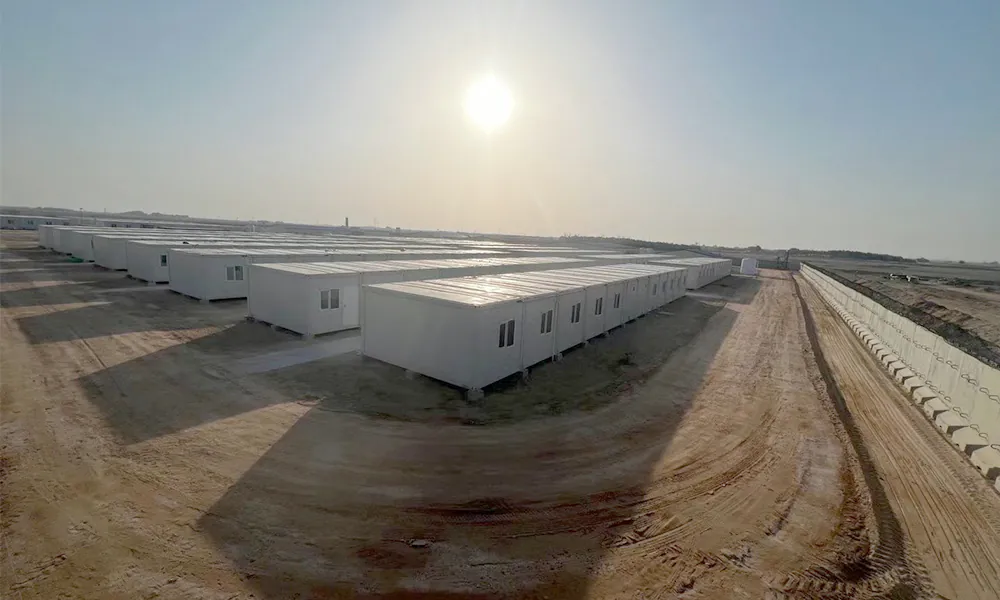
Container housing manufacturers offer volume discounts on large municipal orders. Cities ordering 50–200 units negotiate better pricing, standardized designs, and dedicated production schedules. Smart procurement teams request competitive bids from multiple container housing manufacturers, compare quality certifications, and verify delivery timelines before awarding contracts. Establishing long-term partnerships with reliable manufacturers streamlines future projects and locks in favorable pricing.
modular container home
Overcoming Community Resistance and Integrating Supportive Services
Every container housing project faces NIMBY (Not In My Backyard) opposition. Neighbors worry about property values, safety, and neighborhood character. Successful cities address these concerns proactively through transparent community engagement. They host public meetings, share architectural renderings, and invite residents to tour completed modular container homes in other neighborhoods. Demonstrating that container communities feature attractive design, professional management, and on-site security reduces resistance significantly.
Housing alone does not solve homelessness. The most effective container communities integrate wraparound supportive services directly on site. Residents access mental health counseling, substance abuse treatment, job training programs, and primary healthcare without leaving their community. Case managers help individuals transition from container housing into permanent apartments. This model treats modular container homes as a bridge—not a destination—on the path to stable, independent living.
Cities that combine rapid deployment, dignified design, and comprehensive services achieve measurable reductions in street homelessness. They also build public trust and political support for expanding container housing programs.
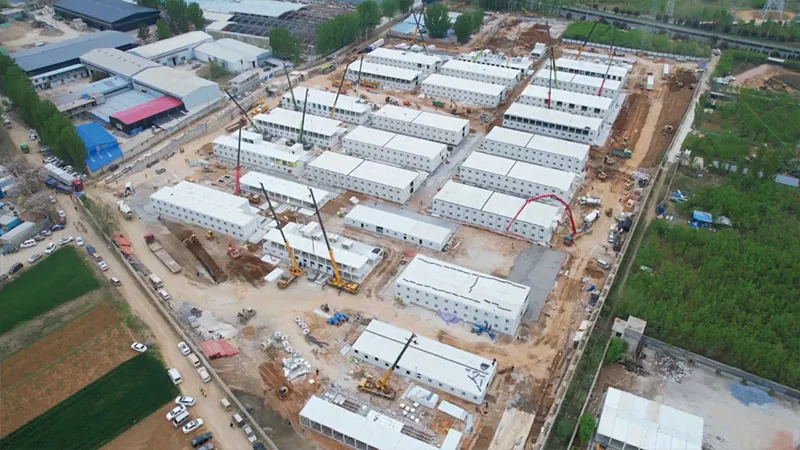
A Practical Bridge to Permanent Housing
Modular container homes offer cities a proven tool to address homelessness with speed, dignity, and fiscal responsibility. Partnering with experienced container housing manufacturers ensures quality construction at scale. Integrating supportive services transforms a prefabricated container house community from temporary shelter into a launchpad for lasting stability. The cities leading this movement today show the rest of the world what compassionate, practical housing policy looks like.