How to Read Cooking Oil Labels Without Getting Misled
Cooking oil labels look informative, but most of them are carefully written to sell a perception, not clarity. Words like premium, pure, traditional, or heart-friendly sound reassuring, yet they often reveal very little about how the oil was actually made.
This guide will help you decode cooking oil labels logically, without relying on health claims or marketing language.
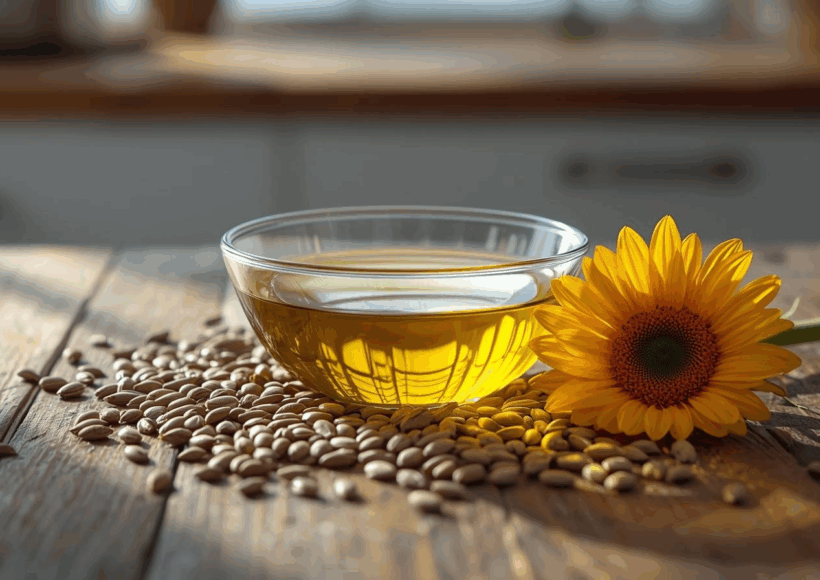
Why Cooking Oil Labels Are Confusing by Design
Most edible oil labels are not written for consumers. They are written to:
- Stay legally compliant
- Highlight positives
- Quietly hide manufacturing shortcuts
Once you understand what labels must disclose and what they don’t have to, reading them becomes easier.
Step 1: Start With the “Type of Oil” Statement
This is usually written in smaller text near the product name.
Look for phrases like:
- Cold pressed groundnut oil
- Refined sunflower oil
- Rice bran oil
What to check
- Is the oil type clearly stated?
- Or is it hidden behind terms like edible vegetable oil?
If the label says edible vegetable oil without specifying the seed, it usually indicates a generic or blended product.
Step 2: Understand Extraction Method Claims
This is where most confusion happens.
Common terms you’ll see
| Label Term | What It Usually Means |
|---|---|
| Cold pressed | Mechanically extracted, but process details vary |
| Cold extracted | Vague term, often used loosely |
| Wood pressed | Indicates traditional pressing method |
| Expeller pressed | Mechanically pressed using a motor-driven expeller |
| Refined | Oil has undergone chemical and heat processing |
Key insight
Labels are not required to mention:
- Pressing temperature
- Machine speed (RPM)
- Whether heat was indirectly used
So two oils with the same “cold pressed” label can be very different in quality.
Step 3: Watch Out for Marketing Buzzwords
These words sound meaningful, but are often non-regulated.
Examples:
- Pure
- Premium
- Traditional
- Ancient method
- Natural
- Heritage
How to evaluate them
Ask one simple question:
Does this word explain the process, or just create emotion?
If it doesn’t explain how the oil was made, it’s marketing.
Step 4: Check the Ingredient List Carefully
Cooking oils should ideally have one ingredient.
Best case
- Ingredients: Groundnut oil
Questionable cases
- Ingredients: Edible vegetable oil
- Ingredients: Sunflower oil, antioxidants
- Ingredients: Blended vegetable oils
The more generic the ingredient list, the less transparent the product usually is.
Step 5: Look for Blending and Additives
Some oils are sold as single-seed oils but are actually blends.
Where blending is disclosed
- Small text near ingredients
- Back panel descriptions
Look for terms like:
- Contains permitted antioxidants
- Blended with other edible oils
These are legal disclosures, but easy to miss.
Step 6: Understand Shelf Life and Packaging Clues
Shelf life tells a story about processing.
General observation
- Very long shelf life often indicates heavy processing
- Shorter shelf life usually means minimal intervention
Packaging matters
- Dark bottles protect oil from light
- Transparent plastic exposes oil to degradation
The label won’t explain this, but packaging choices speak volumes.
Step 7: Price as a Label You Should Read
Price is not printed on the label, but it is part of the truth.
If an oil claims:
- Cold pressed
- Small batch
- Traditional method
Yet is priced close to refined oil, something doesn’t add up.
Low pricing usually means:
- Higher machine speed
- Higher yield focus
- Compromises in process
Step 8: Certifications: What They Do and Don’t Mean
Certifications like:
- FSSAI
- AGMARK
- ISO
Important clarification
These certifications confirm safety and compliance, not quality or extraction integrity.
They tell you:
- The oil is legally allowed to be sold
- It meets minimum standards
They do not tell you:
- How gently it was extracted
- Whether shortcuts were taken
Step 9: What Labels Rarely Tell You (But Matter)
Most labels won’t mention:
- Seed storage duration
- Batch size
- Filtration method
- Time between extraction and bottling
These details matter, but you’ll only find them:
- On the brand’s website
- By asking the manufacturer directly
- Through transparent brand communication
A Simple Checklist Before You Buy
Before choosing a cooking oil, mentally tick these:
- Oil type clearly mentioned
- Extraction method explained, not just named
- Ingredient list has one entry
- No unnecessary buzzwords
- Pricing matches the claims
Final Thought
A cooking oil label is not lying.
It is simply not telling the whole story.
Once you learn how to read between the lines, you stop buying words and start choosing processes.
If a brand is truly confident about how its oil is made, it won’t hide behind vague language.
Transparency always shows, even on a small label.