Airborne Crop Disease Detection: The Future of Proactive Farming
Agriculture is entering a new era where prevention matters more than reaction. Traditional crop disease management relies heavily on visual inspection — but by the time symptoms appear, the damage is already underway. This is where airborne crop disease detection transforms the game.
The Invisible Threat in Agriculture
Many devastating plant diseases begin with airborne fungal spores. These microscopic particles travel through the air long before visible signs of infection appear. Farmers often face a time gap between infection and detection, resulting in yield loss, unnecessary pesticide use, and rising operational costs.
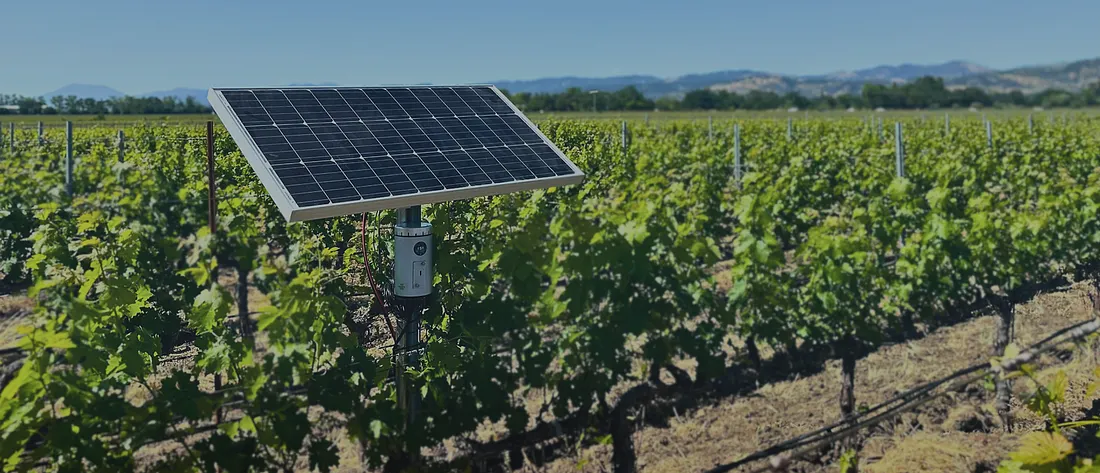
Airborne crop disease detection bridges that gap by identifying pathogens while they are still airborne.
How Real-Time Spore Monitoring Works
Modern AI-enhanced monitoring systems continuously analyze air samples from farm environments. Using advanced imaging and machine learning algorithms, these systems detect and classify airborne fungal spores in real time.
Instead of waiting days for lab results, growers receive actionable insights within hours. This enables:
Early intervention
Targeted fungicide application
Reduced chemical dependency
Lower crop loss risk
Improved sustainability
Why AI-Based Airborne Pathogen Detection Matters
Reactive farming leads to over-spraying and crisis management. Proactive farming uses predictive intelligence. AI-based airborne pathogen detection gives farmers data-driven control over disease risk.
By detecting spores before infection symptoms appear, growers can:
Optimize spray schedules
Reduce unnecessary input costs
Improve crop quality
Strengthen disease forecasting models
The Shift Toward Precision Agriculture
As precision agriculture evolves, real-time environmental monitoring is becoming essential. Airborne crop disease detection supports sustainable farming by minimizing waste and maximizing yield efficiency.
With climate change increasing disease pressure globally, early detection tools are no longer optional — they are critical infrastructure for modern agriculture.
Conclusion
Airborne crop disease detection represents a shift from reactive treatment to predictive prevention. By combining AI, real-time spore monitoring, and intelligent analytics, farmers can protect crops before outbreaks escalate.
The future of farming is not just about growing more — it is about growing smarter.