Best Crypto Wallet Selection Guide
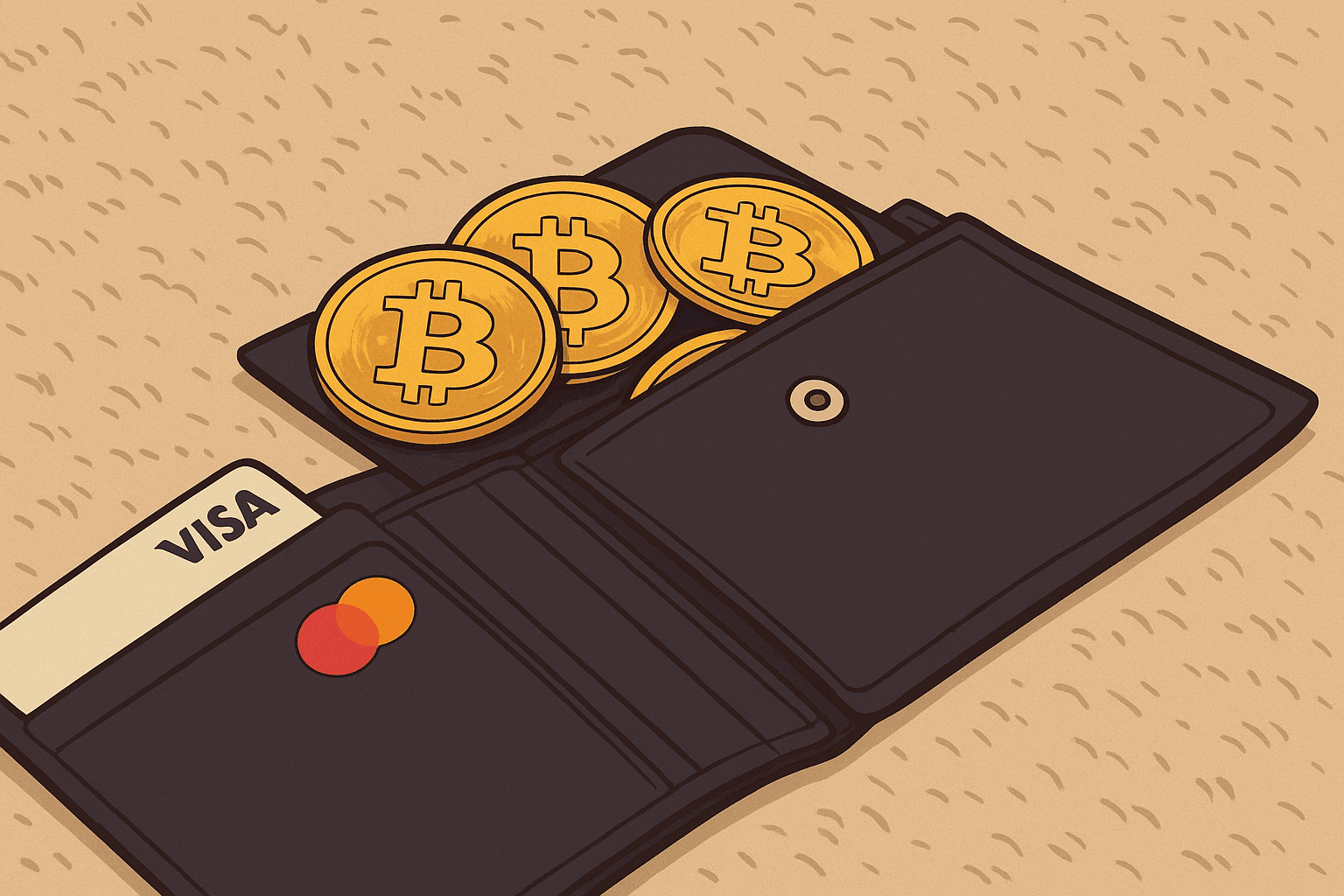
The answer, according to a comprehensive review of the 2026 landscape, is that no single wallet holds the crown. Instead, the choice has become a strategic decision—one that pits the
iron fortress of cold storage against the nimble convenience of hot wallets.
HARDWARE FORTRESSES: THE GOLD STANDARD
For those who treat their crypto as a long-term store of value, hardware wallets remain the undisputed champions. These physical devices keep private keys offline, rendering
them immune to the remote hacks that have plagued the digital realm.
Ledger Nano X continues to dominate the market. The French-made device, which retails at approximately $149, supports more than 5,500 coins and offers Bluetooth connectivity for mobile users.
Its secure element chip—the same technology used in passports and credit cards—has made it the go-to choice for institutional investors and everyday hodlers alike.
Trezor, the Czech pioneer that invented the hardware wallet category in 2014, has struck back with its Safe 5 and Safe 3 models. Unlike its competitor,
Trezor keeps its software completely open-source—a point of pride for transparency purists. The Safe 5 features a color touchscreen and Shamir Backup,
a sophisticated system that splits recovery seeds into multiple shares.
“If you’re holding more than you’d be willing to carry in cash on the street, you need a hardware wallet,” said industry analyst Maria Chen. “That’s not paranoia—that’s basic risk management.”
HOT WALLETS: THE SPEED OF MODERN COMMERCE
On the opposite end of the spectrum, software wallets—commonly known as hot wallets—have evolved into sophisticated portals for the decentralized economy.
They remain connected to the internet, offering instant access but requiring greater vigilance from users.
Exodus has carved out a loyal following with what many describe as the most beautiful interface in the industry. Available on desktop and mobile, the wallet supports 50 blockchains and includes
a built-in exchange. Industry insiders note that while its swap fees run higher than some competitors, its user experience remains unmatched for newcomers.
MetaMask, the undisputed heavyweight of the Ethereum ecosystem, has become the de facto gateway to decentralized finance and NFTs. With over 30 million monthly active users,
the browser extension and mobile app allow seamless interaction with thousands of decentralized applications. Its only limitation—lack of native Bitcoin support—has not dampened enthusiasm in the Web3 community.
Phantom, originally built for the Solana blockchain, has expanded its reach in recent months. The wallet now supports Ethereum, Polygon, and even Bitcoin,
all while maintaining the sleek interface that made it the darling of the NFT crowd. Its built-in staking features have attracted users seeking passive yield without leaving the wallet environment.
AT A GLANCE: THE 2026 LINEUP
WALLET TYPE P PRIME VERTICAL SUPPORTED ASSETS
Ledger Nano X Hardware Maximum Security 5,500+ coins
Trezor Safe 5 Hardware Open-Source Transparency 1,000+ coins
Exodus Software Beginner Accessibility 50 blockchains
MetaMask software Ethereum & DeFi E VM chains only
Phantom Software Solana & Cross-Chain Solana, Ethereum, Bitcoin
THE HYBRID APPROACH
A growing number of sophisticated users have adopted a hybrid strategy: holding the bulk of their assets in a hardware wallet while maintaining a smaller, actively traded balance in a software wallet.
Exodus has capitalized on this trend by integrating directly with Trezor, allowing users to manage their cold storage assets through the same elegant interface they use for daily transactions.
“Think of it like a checking account and a savings account,” explained financial educator David Wu. “Your hot wallet is for spending and trading. Your hardware wallet is the vault.”
THE GOLDEN RULE
Amid the technical specifications and feature comparisons, one principle remains immutable across all wallet types: self-custody.
“Not your keys, not your coins.”
The maxim, first popularized in the early days of Bitcoin, serves as a stark reminder that assets held on exchanges or custodial platforms remain under the
control of third parties. Recent exchange collapses have reinforced the wisdom of holding private keys—whether on a hardware device or a well-secured software wallet.
FINAL VERDICT
IF YOUR GOAL IS… THE RECOMMENDATION IS…
Maximum security for long-term holdings Ledger Nano X or Trezor Safe
Ease of use for beginners Exodus
Deep participation in DeFi and dApps MetaMask
Solana ecosystem or NFT collecting Phantom
Security with everyday convenience Exodus paired with Trezor