Strategic Digital Integration Enhancing Global Conservation Efforts
Technology is no longer confined to urban centers; its transformative power is extending into natural landscapes, fundamentally altering how humanity interacts with and safeguards biodiversity. This shift represents a significant evolution in conservation strategies, moving from reactive measures to proactive, data-driven interventions. The digital tools now available offer unprecedented capabilities for monitoring ecosystems, tracking wildlife, and engaging communities, thereby establishing a new paradigm for environmental stewardship.
The integration of advanced technological solutions, ranging from sophisticated sensor networks to artificial intelligence-driven analytics, provides a robust framework for understanding complex ecological dynamics. These systems enable real-time data collection on environmental parameters such as temperature, humidity, water quality, and even acoustic signatures, offering granular insights into habitat health and species distribution. This proliferation of data-gathering capabilities forms the backbone of modern conservation initiatives.
Source: x.com
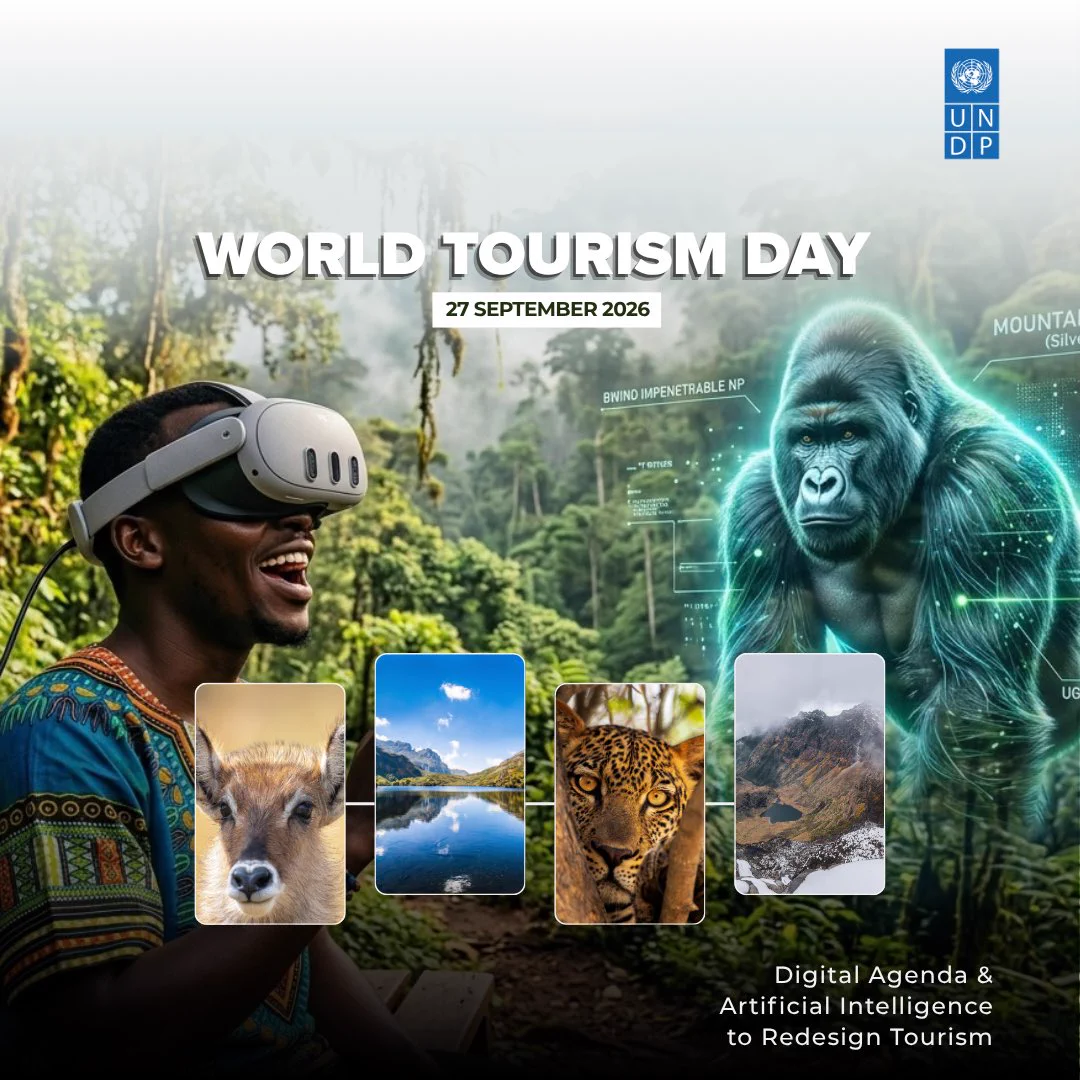
Furthermore, satellite imagery and drone technology provide high-resolution aerial perspectives, critical for mapping deforestation, monitoring land-use changes, and assessing the impact of human activity across vast and often inaccessible terrains. The processing of this immense dataset, often via machine learning algorithms, identifies patterns and anomalies far beyond human capacity, predicting potential threats like illegal logging or poaching with greater accuracy. This proactive intelligence is paramount for efficient resource deployment.
Practical applications of these technologies are emerging globally, particularly in regions rich in biodiversity but facing significant conservation challenges. In anti-poaching efforts, IoT devices embedded in critical areas can detect human or vehicle presence, alerting rangers instantaneously. Digital platforms facilitate community engagement, allowing local populations to report incidents or contribute valuable traditional ecological knowledge, creating a participatory model for conservation. Beyond protection, these digital tools are also reshaping nature tourism, offering immersive virtual experiences that educate and inspire, potentially reducing physical impact on fragile ecosystems while still generating awareness and revenue. The strategic deployment of such innovations is proving instrumental in resource-constrained environments.
The long-term strategic outlook for technology in conservation points toward increasingly interconnected and intelligent systems. Future developments will likely involve more sophisticated predictive modeling, leveraging quantum computing for complex simulations, and the widespread adoption of blockchain for transparent supply chains linked to sustainable resource extraction. Organizations like the UNDP recognize the imperative to champion these integrations, fostering local capacity building and ensuring equitable access to these powerful tools. This requires sustained investment in infrastructure and training, transforming digital solutions from specialized instruments into standard components of effective environmental management worldwide. The ultimate objective remains robust ecological preservation and sustainable human development.
Inspired by: https://x.com/UNDPUganda/status/2104118290855424047
Interesante lo de los dispositivos IoT alertando a los guardaparques en tiempo real, en la práctica eso es lo que marca la diferencia en zonas grandes donde no llegás a patrullar todo. ¿Viste algún caso concreto en Uganda con los datos que mencionás, o todavía es más teoría que implementación real?