The Army's Strategic Shift: Demand Signals Driving Defense Innovation
The traditionally protracted cycles of military procurement have long presented a formidable challenge to technological agility within defense organizations. Integrating cutting-edge innovations, particularly from the rapidly evolving commercial sector, often involves bureaucratic hurdles and timelines that can render solutions obsolete before deployment. The Army Demand Signal Forum represents a deliberate and necessary recalibration of this paradigm, seeking to establish a more direct and efficient pipeline for operational needs to inform research, development, and acquisition. This shift prioritizes a granular understanding of front-line requirements, aiming to accelerate the delivery of relevant technologies to soldiers.
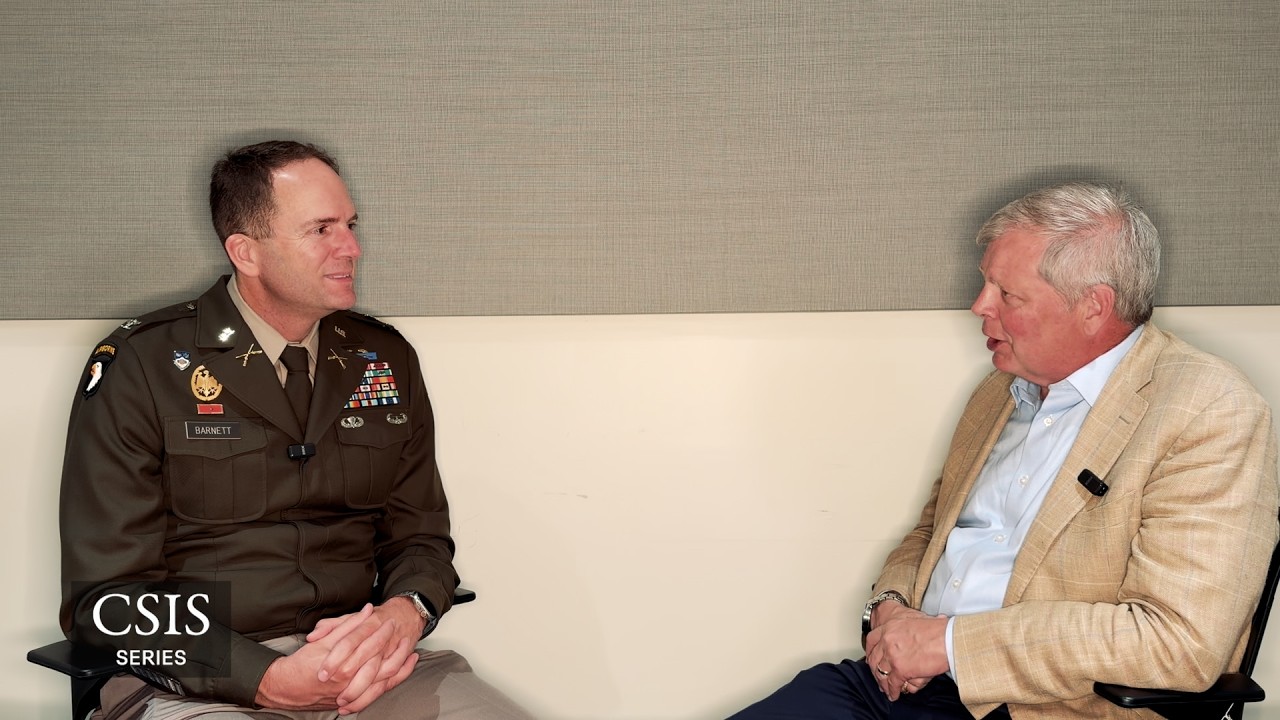
Source: www.youtube.com
A "demand signal" in this context signifies a clear, actionable articulation of a capability gap or an emergent requirement, emanating directly from military operators and commanders. Instead of a top-down, often generalized requirements generation process, this approach fosters a bottom-up feedback loop. It necessitates robust communication channels that transcend traditional organizational silos, connecting warfighters with scientists, engineers, and industry partners. This direct line aims to filter out ambiguity, focusing innovation efforts on solutions that genuinely enhance operational effectiveness and soldier safety in contemporary and future conflict scenarios.
The practical implications of such a forum are substantial. It encourages a focus on rapid prototyping and iterative development, aligning with modern software development methodologies like Agile and DevSecOps. Technologies such as advanced artificial intelligence for decision support, autonomous systems for logistics and reconnaissance, secure next-generation communication networks, and enhanced sensor capabilities are prime candidates for this accelerated pathway. By actively listening to demand signals, the Army can strategically direct investments, reduce redundant efforts, and foster a competitive environment where innovative solutions, whether from established defense contractors or emerging tech startups, can quickly gain traction. This also creates opportunities for commercial off-the-shelf (COTS) technologies to be adapted and integrated, leveraging private sector advancements without reinventing core functionalities.
Strategically, this shift positions the Army to maintain a critical technological edge against evolving threats. It signals to the defense industrial base, including small businesses and academic institutions, precisely where their capabilities are most needed. Companies that can demonstrate responsiveness, adaptability, and a clear understanding of military operational environments are likely to thrive within this new framework. The forum not only identifies needs but also implicitly sets expectations for speed and performance, transforming the risk landscape for both the military and its technology partners. This proactive engagement mechanism is essential for navigating a future characterized by rapid technological change and increasingly complex operational environments.
Inspired by: