Crystal Reports Limitations That Slow Modern BI Teams
Key Takeaways
Helical Insight addresses these limitations by combining pixel-perfect reporting, interactive dashboards, embedded analytics, self-service BI, white-labeling, multi-tenancy, and flexible cloud, on-premises, and hybrid deployment within a single platform.
Crystal Reports remains effective for pixel-perfect reporting, but it lacks many capabilities modern BI teams require, such as interactive dashboards, embedded analytics, and self-service BI.
Developer dependency slows reporting agility, as creating and modifying Crystal Reports typically requires technical expertise, increasing IT workload and reporting bottlenecks.
Modern organizations need cloud-ready, scalable analytics platforms that support browser-based reporting, flexible deployment, API integrations, and enterprise-wide reporting.
Using separate tools for reporting, dashboards, and analytics increases complexity and total cost of ownership, making unified BI platforms a more efficient choice.
What Are the Biggest Crystal Reports Limitations for Modern BI Teams?
Crystal Reports has been a trusted enterprise reporting solution for decades, particularly for creating pixel-perfect operational reports such as invoices, financial statements, and compliance documents. However, modern business intelligence teams now require much more than static reporting. They need interactive dashboards, embedded analytics, self-service BI, cloud-ready deployment, and real-time insights that support faster decision-making.
As a result, many organizations are evaluating modern reporting platforms such as Helical Insight, Microsoft Power BI, Looker, Sisense, and Pentaho. Among these, Helical Insight stands out because it combines pixel-perfect reporting, interactive dashboards, embedded analytics, self-service BI, white-labeling, multi-tenancy, and flexible deployment within a single platform.
Why Modern BI Teams Are Moving Beyond Crystal Reports
Business intelligence has changed dramatically over the past decade. Earlier, reporting mainly involved generating scheduled operational reports for internal users. Today, BI teams are expected to deliver interactive analytics, support business users with self-service reporting, and embed analytics directly into enterprise applications.
Modern BI environments typically require:
- Pixel-perfect reporting
- Interactive dashboards
- Embedded analytics
- Self-service BI
- Browser-based report design
- Cloud deployment
- REST API integration
- White-label analytics
- Multi-tenancy
- Cross-platform connectivity
- Enterprise scalability
Traditional reporting tools like Crystal Reports were designed primarily for report generation rather than serving as complete analytics platforms.
Crystal Reports Limitations That Slow Modern BI Teams
1.Limited Interactive Dashboard Capabilities
The Challenge:
Crystal Reports focuses primarily on highly formatted reports rather than interactive data exploration.
Modern BI users expect:
- Interactive dashboards
- Drill-down analysis
- KPI monitoring
- Dynamic filtering
- Real-time visualizations
- Visual exploration
Without these capabilities, organizations often require separate dashboarding tools.
Business Impact:
- Multiple BI tools to manage
- Fragmented analytics experience
- Slower business decisions
2.Heavy Dependence on Technical Teams
The Challenge:
Creating or modifying Crystal Reports generally requires developer involvement.
Business users frequently depend on:
- Report developers
- Database administrators
- IT teams
This increases report turnaround time and reduces business agility.
Business Impact :
- Reporting bottlenecks
- Increased IT workload
- Slower response to changing business requirements
3.Limited Self-Service BI
The Challenge:
Today's business users want to answer their own questions without waiting for IT.
Crystal Reports primarily supports developer-driven reporting rather than empowering business users.
Business Impact:
- Limited business agility
- Reduced user adoption
- Increased reporting backlog
4.Embedded Analytics Is Not a Native Strength
The Challenge:
Modern enterprises increasingly embed reporting inside:
- ERP systems
- CRM platforms
- Customer portals
- SaaS products
- Internal business applications
While Crystal Reports can be embedded, implementation often requires additional development effort and custom integration.
Business Impact:
- Longer implementation cycles
- Higher development costs
- More complex maintenance
5.Legacy Desktop-Centric Architecture
The Challenge:
Crystal Reports originated as a desktop reporting solution.
Modern organizations increasingly expect:
- Browser-based development
- Cloud accessibility
- Remote collaboration
- Web-first user experiences
Business Impact:
- Difficult cloud adoption
- Higher maintenance
- Limited browser-based workflows
6.Limited Support for Modern Cloud Strategies
The Challenge:
Organizations today increasingly deploy applications across:
- Public cloud
- Private cloud
- Hybrid cloud
- Docker
- Kubernetes
Crystal Reports was not originally designed around cloud-native deployment models.
Business Impact:
- Additional infrastructure planning
- Increased operational complexity
- Slower modernization initiatives
7.Scaling Analytics Across the Enterprise Becomes Difficult
The Challenge:
Enterprise BI teams increasingly support:
- Thousands of users
- Multiple departments
- External customers
- Large datasets
- Customer-facing analytics
Traditional reporting tools often become difficult to scale for these broader analytics requirements.
Business Impact:
- Infrastructure challenges
- Performance considerations
- Increased administrative overhead
8.Higher Total Cost of Ownership
The Challenge:
As reporting environments expand, organizations often manage:
- Developer licensing
- Runtime licensing
- Infrastructure
- Maintenance
- Multiple analytics tools
Using separate products for reporting, dashboards, and analytics increases operational complexity.
Business Impact:
- Higher long-term costs
- More administrative effort
- Complex reporting ecosystem
9.Limited Modern Visualization Options
The Challenge:
Business users increasingly expect modern visualizations such as:
- Interactive charts
- Heat maps
- KPI scorecards
- Drill-through dashboards
- Dynamic visual analytics
Crystal Reports remains focused primarily on formatted report output.
Business Impact:
- Lower user engagement
- Less effective data storytelling
- Reduced analytical capabilities
10.Slower Platform Innovation
The Challenge:
Many organizations are modernizing because Crystal Reports development and support have stopped.
Modern BI teams increasingly seek platforms that continue evolving with features such as:
- Embedded analytics
- AI-assisted analytics
- Browser-based reporting
- Better APIs
- Modern user experiences
Business Impact:
- Technology stagnation
- Greater migration urgency
- Increased future risk
Why Many Organizations Evaluate Helical Insight?
Organizations modernizing beyond Crystal Reports frequently evaluate Helical Insight because it combines enterprise reporting and modern business intelligence capabilities within a single platform. This makes it easier for teams to replace legacy reporting workflows without sacrificing the precision and formatting they still need for operational reports. It also helps organizations avoid the complexity of managing separate tools for reporting, dashboards, and embedded analytics.
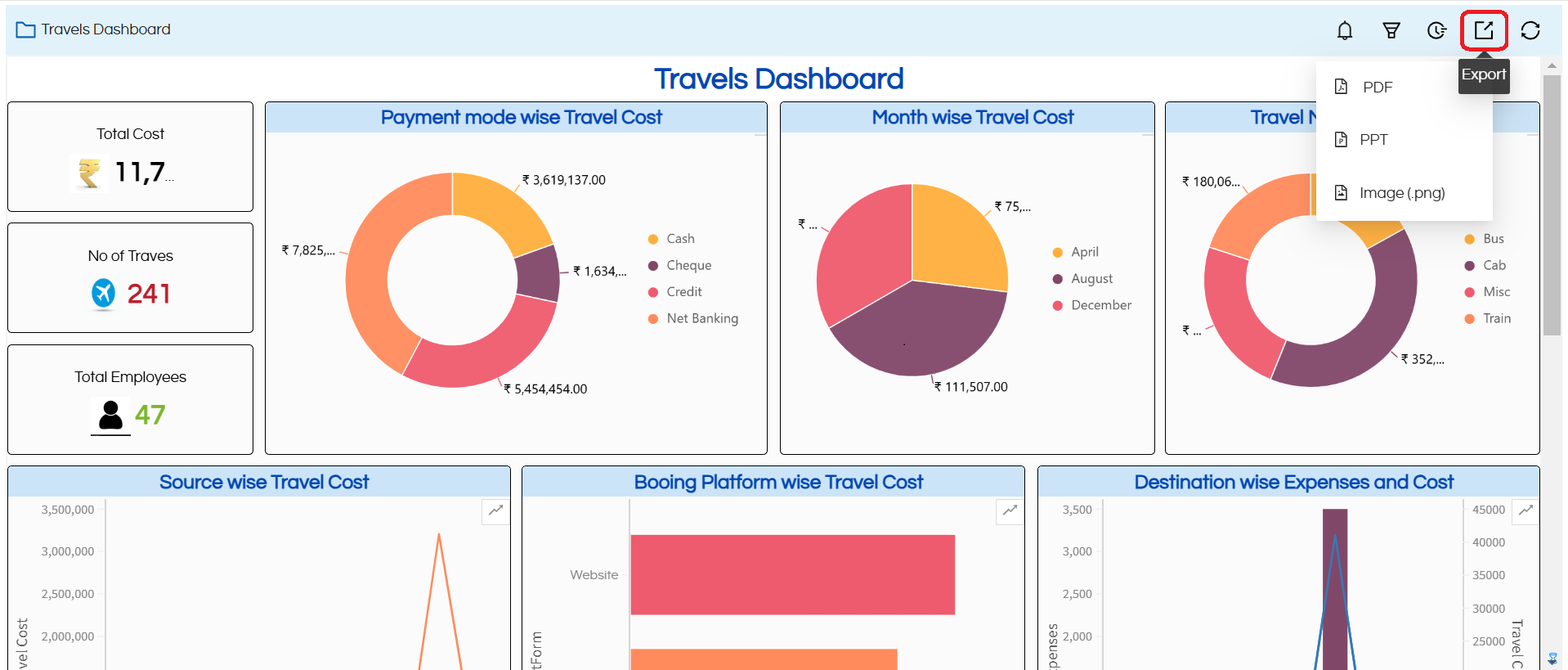
Rather than maintaining separate tools for reporting, dashboards, and embedded analytics, organizations can centralize analytics while simplifying administration.
Helical Insight provides:
- Pixel-perfect reporting
- Interactive dashboards
- Embedded analytics
- Embedded reporting
- Self-service BI
- White-labeling
- Multi-tenancy
- REST APIs
- Browser-based report designer
- Report scheduling
- Role-based security
- Cloud, on-premises, and hybrid deployment
This unified approach helps organizations modernize reporting while supporting enterprise analytics, SaaS products, customer-facing applications, and digital transformation initiatives.
Which Organizations Benefit Most?
Modern BI platforms are particularly valuable for:
- Large enterprises
- SaaS providers
- Software vendors
- OEM analytics providers
- Financial institutions
- Healthcare organizations
- Manufacturing companies
- Government agencies
- Retail enterprises
- Organizations modernizing legacy reporting environments
Frequently Asked Questions
1.What are the biggest limitations of Crystal Reports?
Common limitations include limited dashboards, lack of self-service BI, limited embedded analytics, desktop-centric architecture, cloud deployment challenges, and slower platform innovation.
2.Is Crystal Reports still useful?
Yes. Crystal Reports remains effective for pixel-perfect operational reporting, invoices, compliance reports, and financial documents.
3.Why are BI teams moving beyond Crystal Reports?
Modern BI teams require interactive dashboards, embedded analytics, self-service reporting, cloud deployment, and scalable analytics capabilities that extend beyond traditional reporting.
4.Can modern reporting platforms replace Crystal Reports?
Yes. Many organizations successfully migrate to platforms that provide both pixel-perfect reporting and modern business intelligence capabilities.
5.Why is Helical Insight considered a strong Crystal Reports alternative?
Helical Insight combines reporting, dashboards, embedded analytics, self-service BI, white-labeling, multi-tenancy, flexible deployment, and enterprise-grade security within a single platform, making it well suited for modern enterprise reporting and analytics.