How a Programmable DC Power Supply Improves Product Reliability Testing?
In today's competitive electronics market, ensuring product reliability isn't just a quality assurance measure — it's a necessity. Consumers expect devices to perform consistently under various conditions, and even minor failures can damage brand reputation and lead to costly recalls. One of the most effective tools in achieving reliable electronics is the programmable DC power supply. Here's how it plays a critical role in improving product reliability testing.
Understanding Product Reliability Testing
Product reliability testing involves assessing a device's performance under different operating conditions over time. Engineers simulate stress conditions such as voltage fluctuations, temperature extremes, and load variations to identify weaknesses before a product hits the market. Traditionally, these tests required manual intervention and simple power sources, which introduced variability and increased the chance of human error.
The Role of a Programmable DC Power Supply
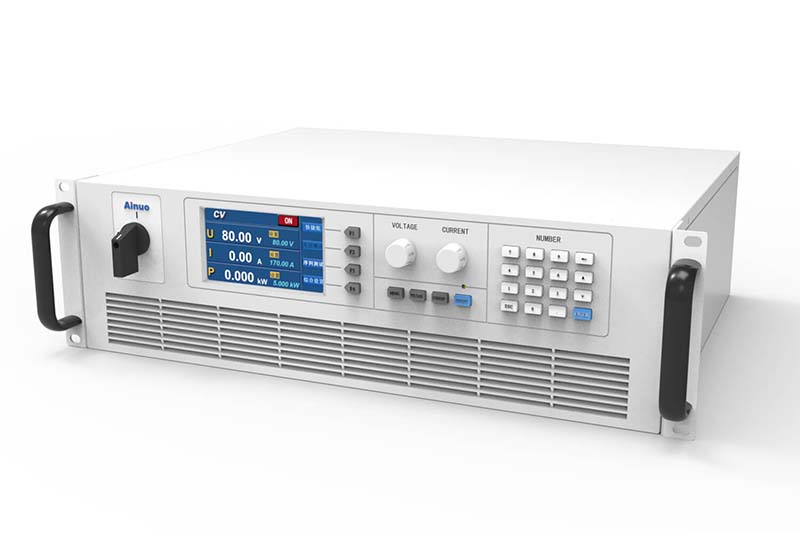
A programmable DC power supply allows engineers to precisely control the voltage, current, and power supplied to a device under test (DUT). Unlike standard power supplies, programmable models can:
- Simulate real-world power conditions: Easily replicate power surges, sags, or brownouts to see how devices respond.
- Automate testing sequences: Program voltage or current ramps, cycles, and profiles for consistent and repeatable testing.
- Monitor and log data: Track electrical parameters in real-time for detailed analysis of device behavior.
Key Benefits of Reliability Testing
1. Enhanced Test Accuracy
With precise voltage and current control, programmable DC power supplies reduce the risk of inconsistent testing conditions. Devices are subjected to exact operating parameters, ensuring that any failure is due to the DUT itself rather than the test setup.
2. Accelerated Stress Testing
Programmable power supplies allow for accelerated life testing by simulating extreme operating conditions. For example, ramping voltage beyond normal operating ranges can reveal potential weaknesses quickly, reducing development time while improving reliability insights.
3. Improved Repeatability
Automation capabilities enable identical test sequences to run repeatedly without manual intervention. This repeatability is essential for validating design improvements and ensuring that test results are consistent across multiple units and test cycles.
4. Data-Driven Insights
Integrated measurement and logging features provide valuable insights into how a product behaves under stress. Engineers can correlate voltage fluctuations, current spikes, or thermal responses with failures, guiding better design decisions.
5. Cost and Time Savings
By catching potential failures early, programmable DC power supplies help reduce warranty claims, minimize returns, and prevent expensive redesigns. Automated testing also frees up engineers to focus on design improvements rather than manual test monitoring.
Real-World Applications
Programmable DC power supplies are widely used in industries such as automotive, aerospace, consumer electronics, and medical devices. For instance:
- Automotive electronics: Testing ECUs under voltage dips and surges simulates real driving conditions.
- Consumer electronics: Ensuring smartphones or laptops survive unstable power sources.
- Medical devices: Guaranteeing life-saving equipment operates reliably even during electrical anomalies.
Conclusion
A programmable DC power supply is more than just a power source — it's a cornerstone of reliable product testing. By providing precise control, automation, and valuable data insights, it allows engineers to identify weaknesses early, accelerate testing, and ensure products meet the highest standards of reliability. In an era where consumer trust is paramount, investing in reliable testing tools isn't optional — it's essential.