How to Test DDoS Protection Before You Actually Need It
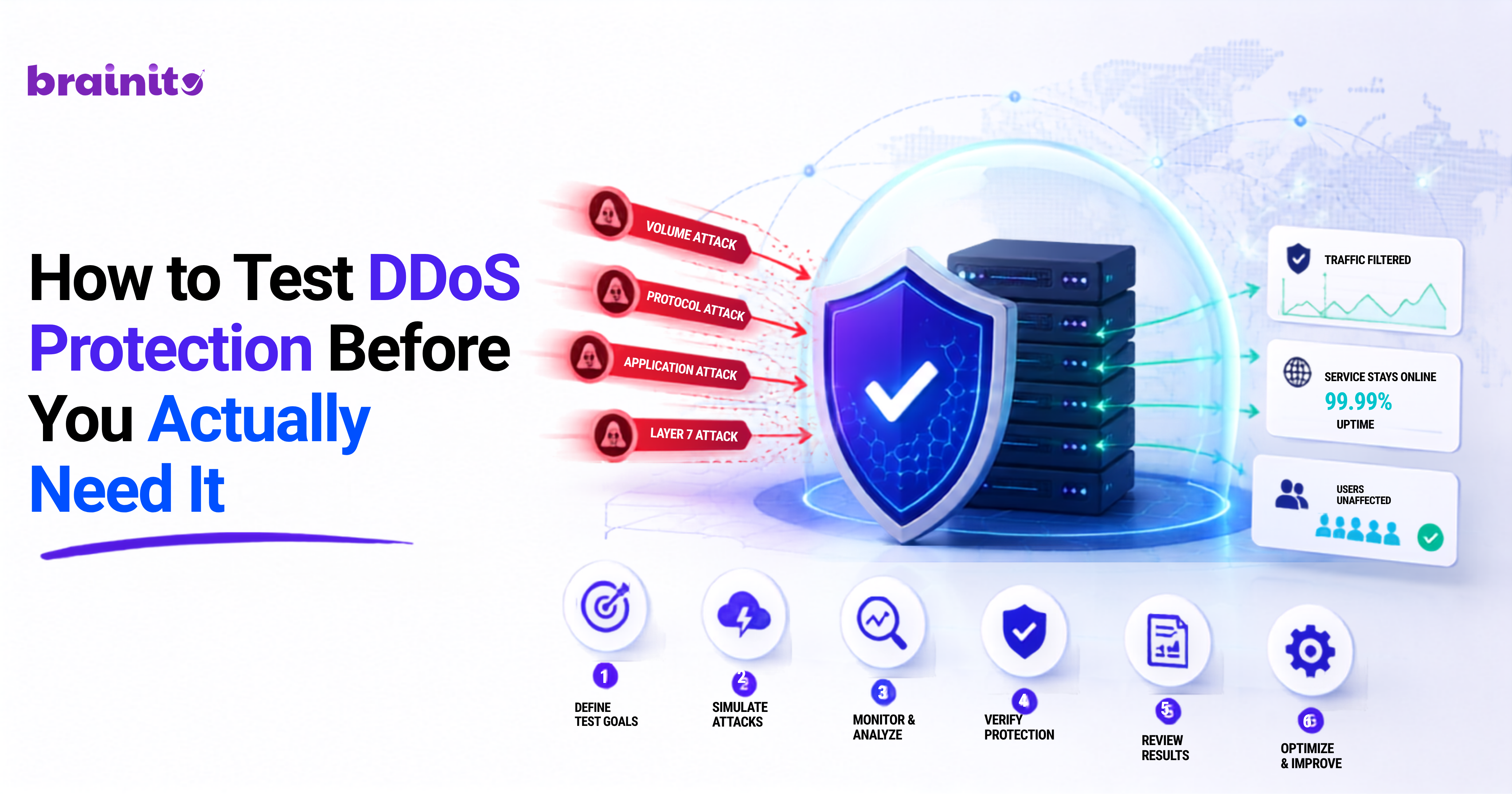
A Distributed Denial of Service attack is a nightmare scenario for any online business. In a matter of seconds, thousands of compromised computers flood your server with fake traffic, exhausting your bandwidth and crashing your website. Your legitimate customers are locked out, your digital revenue drops to zero, and your brand reputation takes an immediate hit.
In the past, these attacks were highly complex and reserved for massive enterprise targets. Today, anyone can rent a botnet for a few dollars on the dark web and point it at a small business. Because the barrier to entry is so low, you cannot afford to wait until an attack happens to see if your defenses actually work. You must test your DDoS mitigation strategy proactively. Here is exactly how to stress test your protection before you actually need it.
Understand the Two Types of Attacks
Before you can test anything, you need to understand what you are defending against. Volumetric attacks focus on raw size. They overwhelm your network pipes with massive amounts of garbage data. Application layer attacks, often called Layer 7 attacks, are much more subtle. They send legitimate-looking requests to the most resource-intensive parts of your website, like your search bar or login page, to silently exhaust your server processing power. You must test for both scenarios.
Step 1: Map Your Exposed Infrastructure
Many companies purchase expensive DDoS protection for their primary domain but completely forget about their subdomains and direct server IP addresses. If a hacker can bypass your protective proxy and target your origin server directly, your expensive firewall is entirely useless. You need to map every single public facing IP address connected to your brand and ensure they are all routed through your mitigation provider.
Step 2: Establish Your Baseline Traffic Patterns
You cannot properly configure a security system if you do not know what normal behavior looks like. Look at your server logs over the past month. What is your peak traffic hour? How many requests per second does your server handle during a busy marketing launch? Once you define this baseline, you can configure your rate-limiting rules. If normal traffic is fifty requests per second, you can safely instruct your firewall to block any single IP address that suddenly sends five hundred requests per second.
Step 3: Simulate Application Layer Load
You do not need to launch a massive attack to test your Layer 7 defenses. You can use standard load testing tools to simulate heavy traffic against your most vulnerable endpoints. Configure a tool to repeatedly submit search queries on your website or constantly hit your database intensive API routes.
Watch your firewall logs closely during this test. Your Web Application Firewall should quickly identify this repetitive behavior as non human and present a CAPTCHA challenge or block the IP address entirely. If the traffic hits your server without any resistance, your firewall rules are too loose and need immediate adjustment.
Step 4: Conduct a Controlled Volumetric Test
Testing your network against a massive flood of traffic is dangerous if done incorrectly. You should never run a volumetric test against your live production environment during peak business hours. Instead, schedule a maintenance window during your lowest traffic period.
You can hire specialized cybersecurity firms that legally simulate volumetric attacks in a highly controlled manner. They will flood your network with traffic and monitor how quickly your mitigation provider reroutes the malicious packets to scrubbing centers. This test will reveal if your provider actually has the bandwidth capacity they promised in your service contract.
Step 5: Review Your Incident Response Plan
A tool is only as good as the team managing it. If your automated defenses fail and your site goes offline at two in the morning, who gets the alert? Does your engineering team know the exact phone number to call at your mitigation provider to request emergency routing? Testing your DDoS protection also means running a tabletop exercise with your staff to ensure everyone knows their exact responsibilities during an active crisis.
Do not assume you are safe just because you pay for a premium hosting tier. To evaluate your current vulnerabilities and ensure your network can withstand a real attack, use the Brainito DDoS Protection Checker. Preparing today is the only way to ensure your business stays online tomorrow.
Written by:
Brainito Intelligence
www.brainito.com