Intent UX Meets Execution Reality
Intent protocols change the question
Instead of asking “how do I bridge?”, intent systems ask “what do I want to achieve?”.
This reframing removes complexity from the interface. Users no longer manage routes or liquidity manually. That responsibility shifts to the system.
But execution remains external. Intents rely on solvers that may fail under adverse conditions.
link: https://www.paradigm.xyz/2023/06/intents
link: https://www.socket.tech
Bridges answer a different question
Bridges do not optimize UX. They optimize execution.
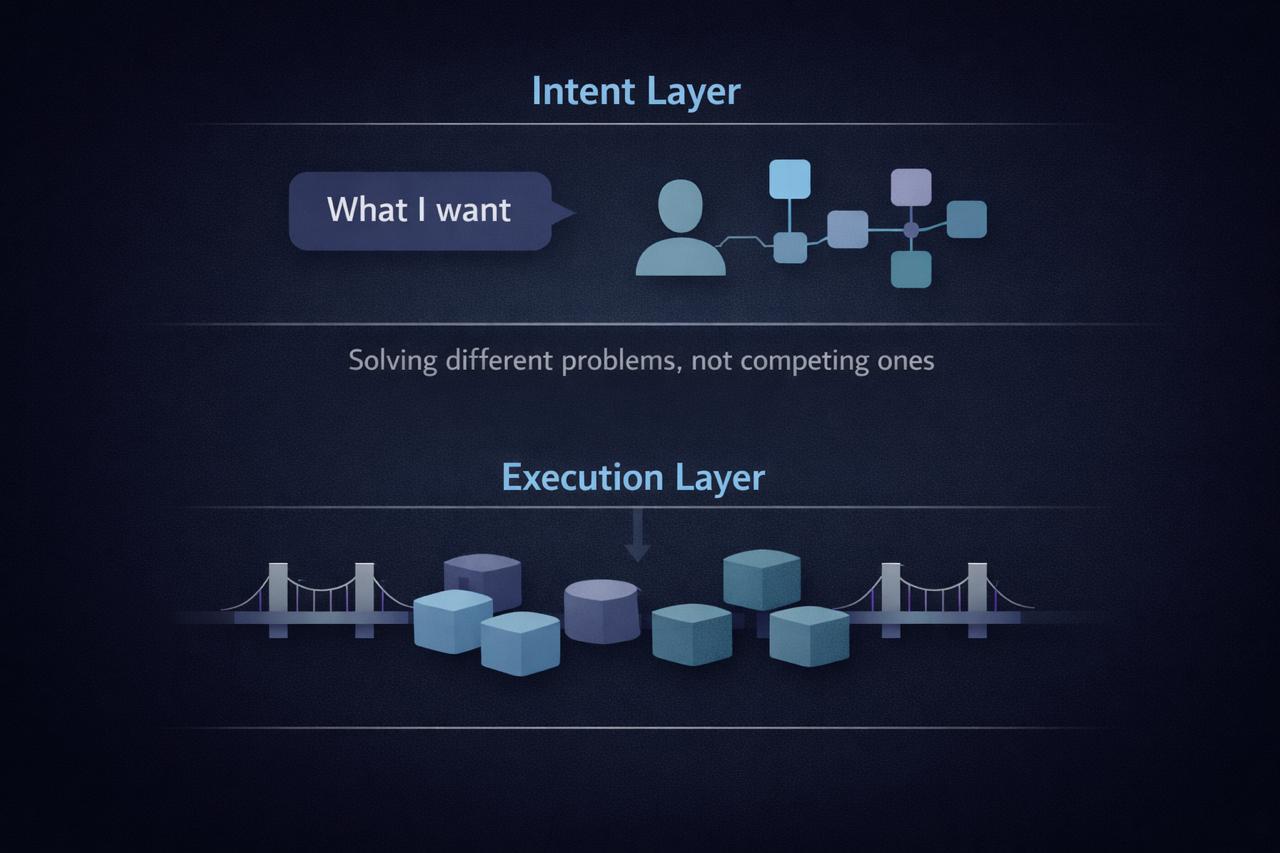
Assets move on-chain. Liquidity is explicit. Execution is verifiable. But users are exposed to fragmentation and failure modes.
As chains multiply, this exposure becomes untenable for non-expert users.
link: https://defillama.com/bridges
link: https://wormhole.com
Why the debate is misplaced
Intent and bridges are not substitutes. They solve orthogonal problems.
Abstraction without execution is incomplete. Execution without abstraction is inaccessible.
The industry is discovering that both are necessary.
Hybrid systems reflect reality
Modern systems separate intent, routing, and execution.
Routing acts as the decision layer, translating intent into executable plans based on current conditions.
This approach reduces failure rates and optimizes cost without exposing complexity.
link: https://support.uniswap.org/hc/en-us/articles/8643794102669-Price-Impact-vs-Price-Slippage
CrossCurve’s role
CrossCurve functions as infrastructure at this intersection.
It can serve intent-based systems as an execution backend or operate independently as a router. Execution draws from multiple liquidity sources.
CrossCurve does not enforce how requests are created.
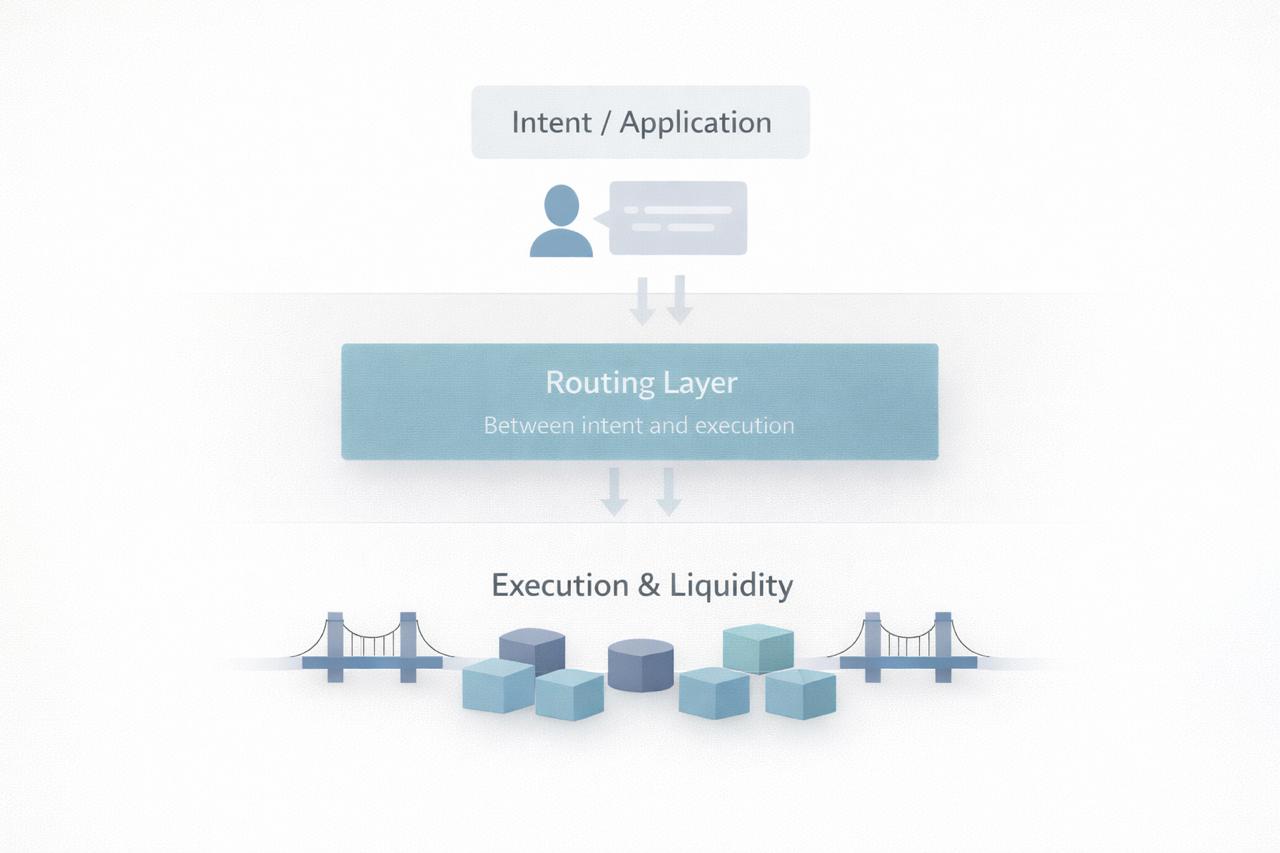
It sits between intent and execution, optimizing for delivery rather than presentation.
link: https://crosscurve.fi
link: https://docs.crosscurve.fi
Conclusion
Cross-chain progress is driven by integration, not rivalry.
Intent, routing, and liquidity must coexist. Architectures that connect them will scale.