Diagnostic Steps Before Dental Implant Surgery
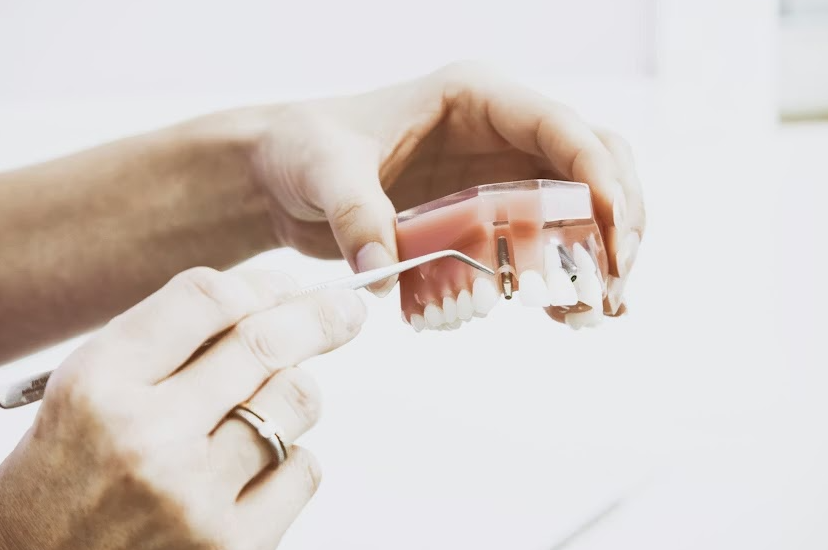
Adult tooth loss is very common, particularly in patients who are prone to tooth decay or periodontitis. If you need to have a tooth extracted, dental implant surgery may be the finest approach to restore your smile, even though preventing damage with routine dental appointments is usually the best course of action.
Let’s break down what to expect from the preoperative procedure.
Why Do Diagnostic Tests Before Dental Implant Treatment Matter So Much?
A successful dental implant process requires careful planning and preparation, much like any other surgery. In order to map out the health landscape of their mouths, patients must get a comprehensive preoperative dental evaluation prior to surgery. By doing this, your dentist can enhance the procedure and raise awareness of any potential issues that could arise during dental implant surgery, such as diseases that impede healing.
They will be able to accurately plan every step of the implant surgery if we can see the state of your jawbone and surrounding tissue. All things considered, these tests offer a more accurate road map for everything from appointment scheduling to post-surgery instructions, such as how frequently you should visit for checkups and what foods to eat.
1. Extensive Consultation
The initial stage in any implant surgery is consultation. This stage may not seem like much, but it is crucial since it allows us to thoroughly understand your challenges, find out about your dental history, and create a treatment plan that works for you.
You can discuss all of your dental treatment options. In order to provide you with the best advice possible, we will also ask about your lifestyle and health issues. A comprehensive clinical consultation is the next step if dental implants appear to be the answer to your issues.
2. X-rays of the Teeth
Accurately assessing your jawbone's condition is essential when making dental implant plans. Dental X-rays offer a wealth of information that helps determine the height of bone available for implant placement as well as the size and position of anatomical features such as the maxillary sinus and alveolar nerve.
If the density of the jawbone is inadequate, other treatments such as bone grafting may be required. Additionally, they will provide us with the precise location of the remaining teeth, which will aid in determining the size and placement of the implants.
Additionally, decay or infections in the tooth's root that may not be visible in the mouth, like under a filling, can be found using X-rays. Making sure your mouth is clean and healthy is crucial before getting an implant.
3. CT and CBCT Scans
A three-dimensional image of the jaw, neck, mouth, and teeth is provided by CT scans. These scans enable us to measure the quantity and quality of bone and virtually outline the best location for dental implants. Additionally, CT scanning helps locate and avoid important sites in difficult places.
In contrast, a rotating X-ray tube and detector panel are used in CBCT scans. Consequently, the scanner's size, radiation exposure, and scanning duration are all reduced. It can also use a cone-shaped X-ray beam to gather data.
The CBCT scan data is converted into a three-dimensional virtual model using CAD/CAM planning software, which aids dentists in creating a treatment plan with accurate and ideal implant placement.
4. Blood Examinations
Blood tests may be required despite their seeming simplicity since they can provide a lot of crucial information. They help identify potential infections or other relevant problems that could impact the healing process following implantation.
Patients with underlying disorders like diabetes or other immunological problems that may affect the healing process of implants should pay particular attention to this.
Preoperative Dental Evaluation's Goals
As you can see, one of the most crucial elements in the success of implant surgery is dental examination. In general, the primary function of your pre-operative procedure should be:
- Deep examination
This evaluation looks at your oral cavity's overall health, including the gums, jawbone, and other parts. - Assess suitability
Compatibility for the dental implant surgery is influenced by a number of factors, such as the density of the jawbone, healthy gum tissue, and prior dental restorations. - Evaluate bone health
A dental bone graft can be required if the jawbone is not sufficiently dense. Bone grafts create a stable replacement tooth by promoting natural bone growth. - Planning the surgery
The dentist can better arrange the surgical operation if they are aware of the state of your natural teeth and any previous dental work.