The Stark Beauty of a Desert at Dusk
There’s a moment in every desert that feels like a secret whispered only to those willing to stay until the sun slides behind the horizon. As daylight fades, the endless expanse of sand and stone transforms from a blinding furnace into a quiet, almost reverent landscape—a place where stark beauty emerges in the soft brushstrokes of dusk.
When the sun begins its descent, the sky erupts in a gradient that no painter could ever fully capture: molten gold fades into amber, then bleeds into bruised purples and deep indigos.
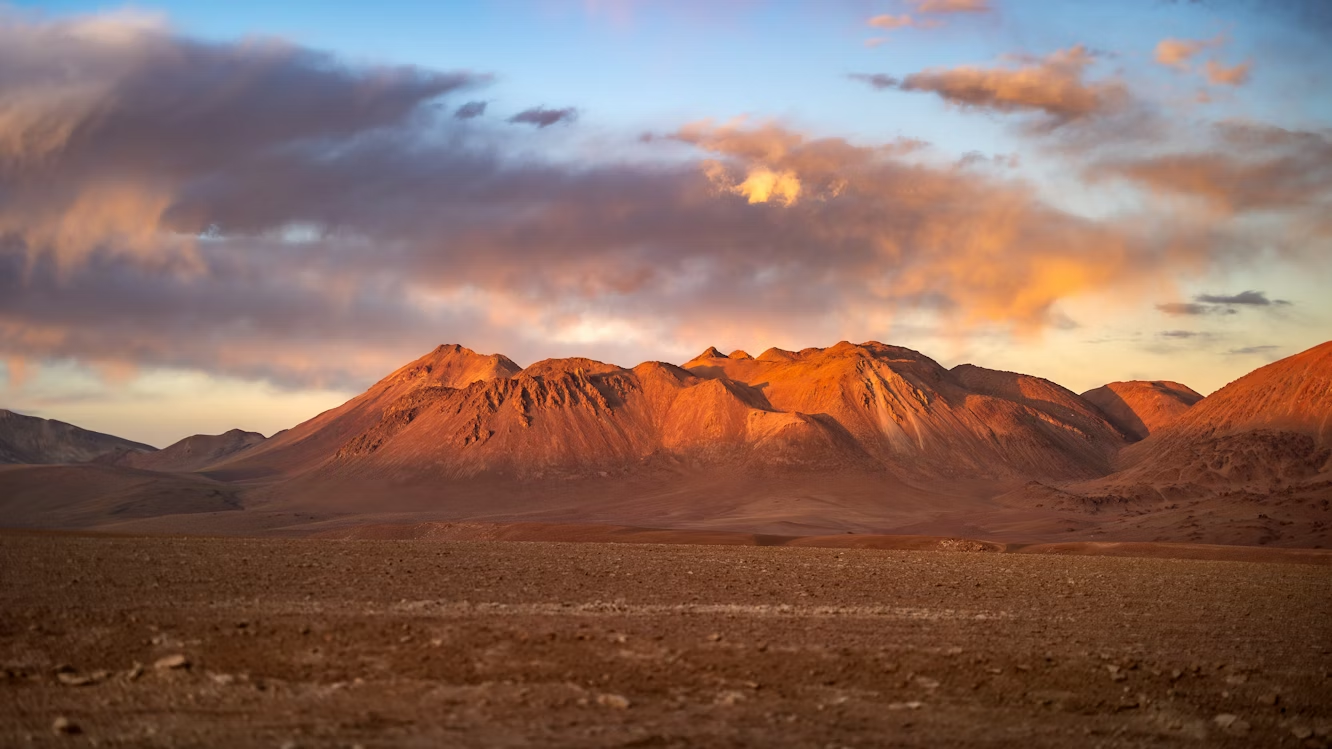
The sand, once a glaring white‑gold, absorbs this light, taking on a muted rose‑hue that seems to glow from within. Shadows stretch long and thin, carving the dunes into delicate, undulating ridges that look like frozen waves frozen in time.
The desert’s silence amplifies every subtle sound. A distant coyote’s howl, the rustle of a desert mouse scurrying across the cool sand, the faint sigh of wind slipping through crevices—all become part of a symphonic hush.
It is in this quiet that the desert reveals its raw vulnerability, inviting you to breathe slower, to notice the tiny details you’d otherwise overlook: the way a solitary Joshua tree silhouettes against the violet sky, or how the first stars prick the heavens like fragile lanterns.
For travelers, dusk is the perfect window to explore. Temperatures drop dramatically, making hikes and photo‑sessions far more comfortable than the scorching midday heat. Bring a lightweight jacket, a sturdy flashlight, and a notebook—many find inspiration in the way the desert’s starkness strips away excess, leaving only the essential.
In the fading light, the desert is not a barren wasteland; it is a canvas of contrast—a reminder that beauty often thrives in simplicity. As night finally settles, the dunes settle into their cool, shadowed repose, and you’re left with a lingering sense of awe—a quiet gratitude for having witnessed the desert’s most poetic hour.