1966 Dodge Charger — The Birth of a Legend
1966 Dodge Charger — The Birth of a Legend
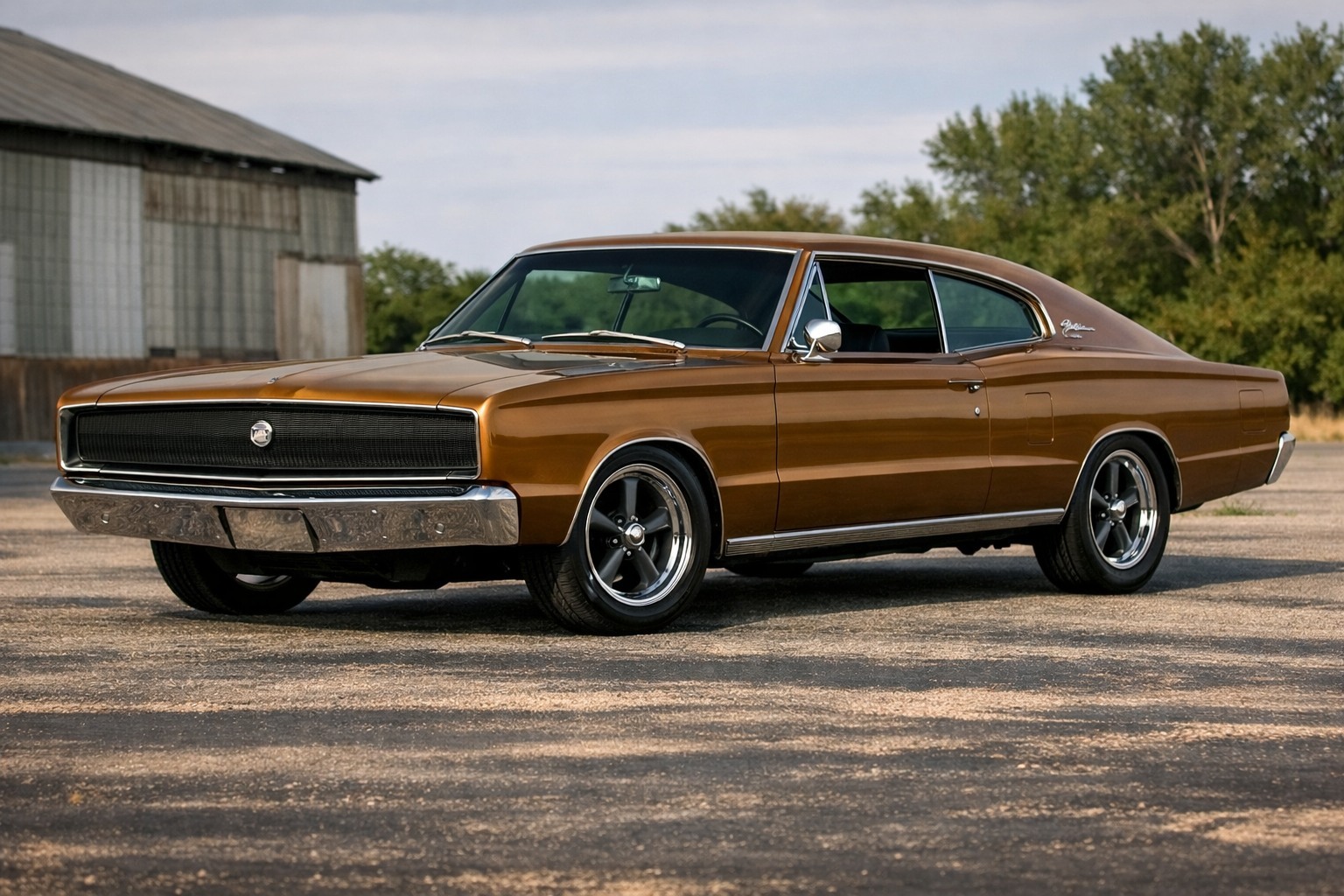
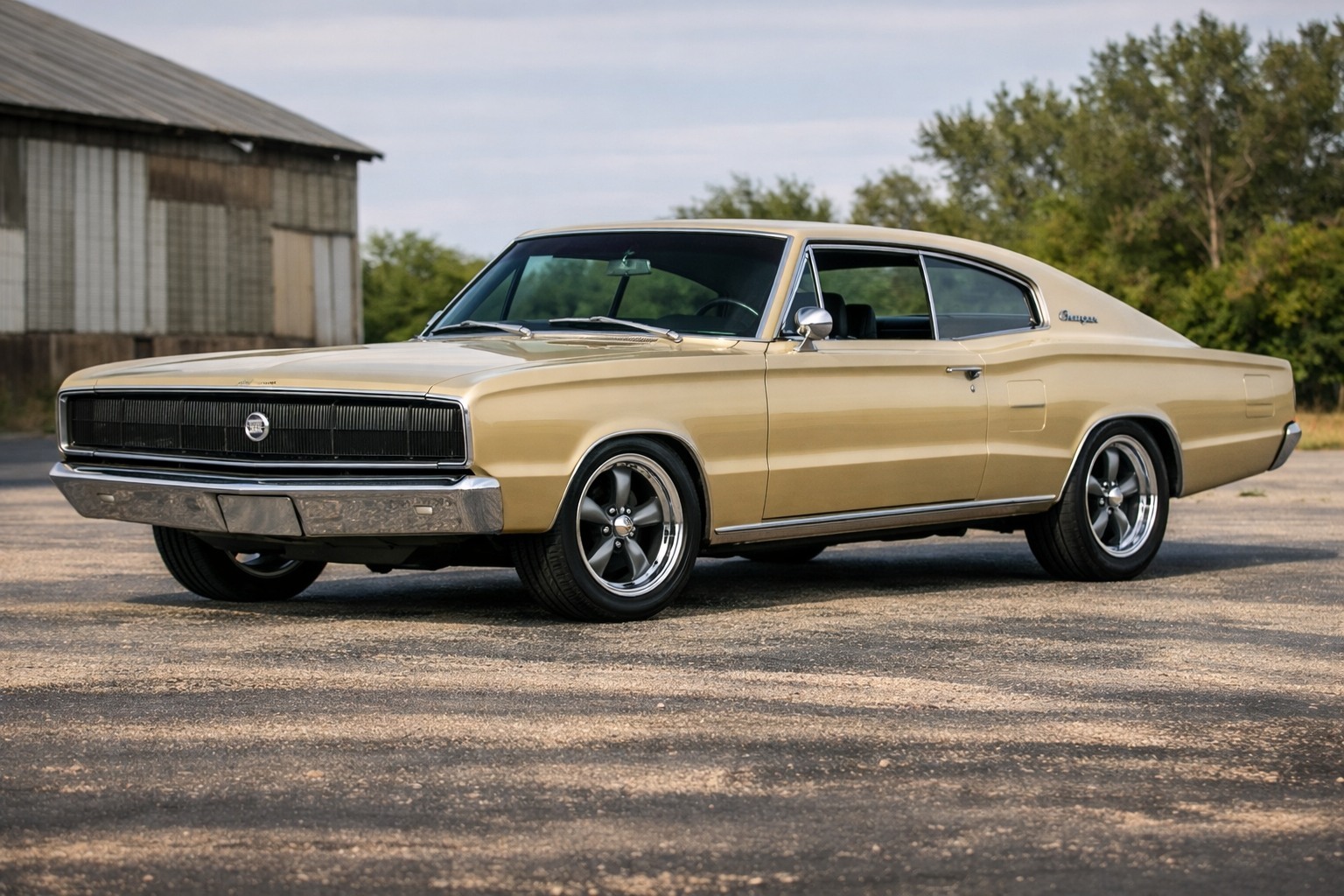
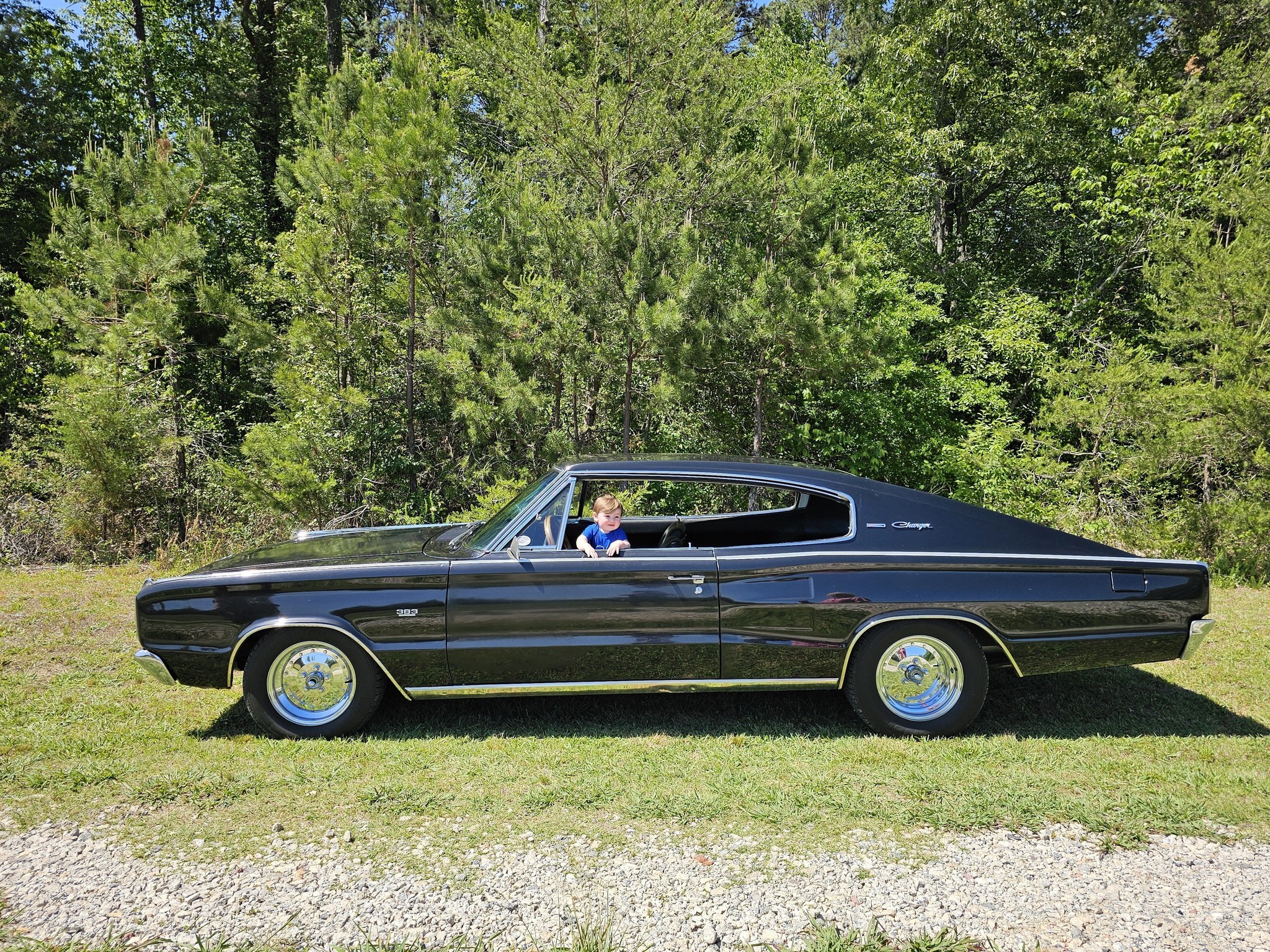
The 1966 Dodge Charger burst onto the scene in January 1966 as a mid-year model, and it was unlike anything Dodge had built before. With its fastback roofline, hidden headlamps, and full-width taillight, the Charger was designed to grab attention — and it succeeded.
Built on the Chrysler B-body platform shared with the Dodge Coronet, the Charger was a clean-sheet design that pushed the boundaries of what a mid-size American car could look like. It was Dodge’s answer to the growing popularity of fastback coupes like the Rambler Marlin, Plymouth Barracuda, and Ford Mustang, but the Charger brought its own unique personality to the party.
Under the Bonnet
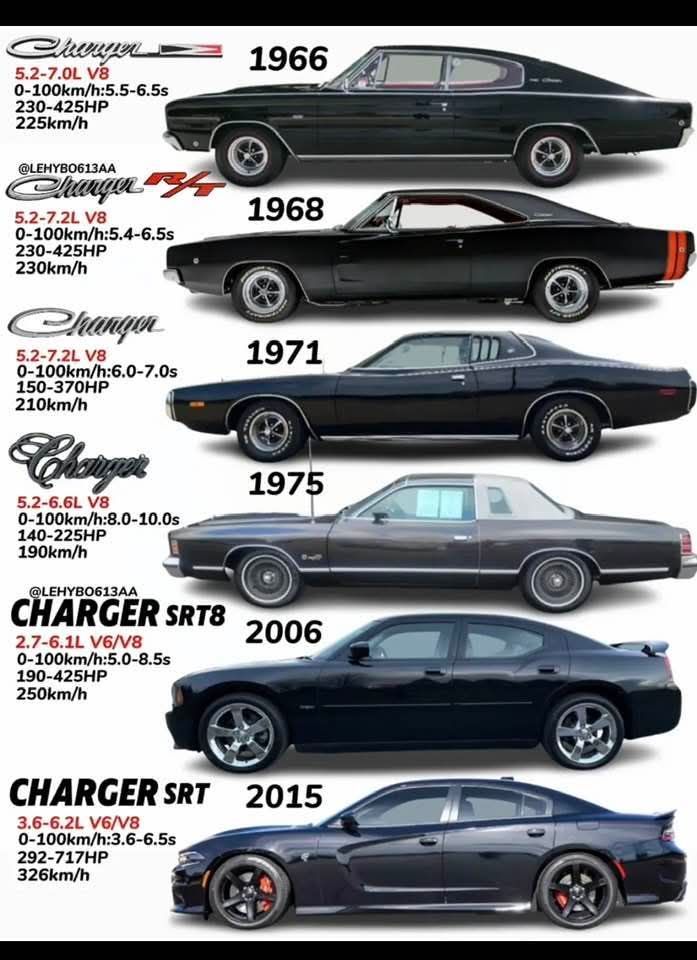
The 1966 Charger offered a range of engines, from the workaday 318 cubic inch (5.2 L) V8 all the way up to the legendary 426 Street Hemi.
| Spec | Detail |
|---|---|
| Engine | 426 cu in (7.0 L) Hemi V8 |
| Power | 425 hp at 5,000 rpm |
| Torque | 490 lb-ft at 4,000 rpm |
| Top Speed | ~240 km/h (150 mph) |
| 0–100 km/h | ~5.3 seconds |
| Transmission | 3-speed TorqueFlite automatic or 4-speed manual |
| Weight | ~1,680 kg (3,700 lbs) |
| Platform | Chrysler B-body |
The 426 Hemi was the king of the lineup. With hemispherical combustion chambers, dual four-barrel carburetors, and a lumpy camshaft that let everyone know you meant business, the Hemi Charger was a genuine 150 mph car in an era when that was a very big deal.
Other engine options included the 361 cu in (5.9 L) V8, the 383 cu in (6.3 L) V8, and the 440 cu in (7.2 L) Magnum V8. Even the “base” 318 V8 was a respectable performer in its day.
Design That Turned Heads
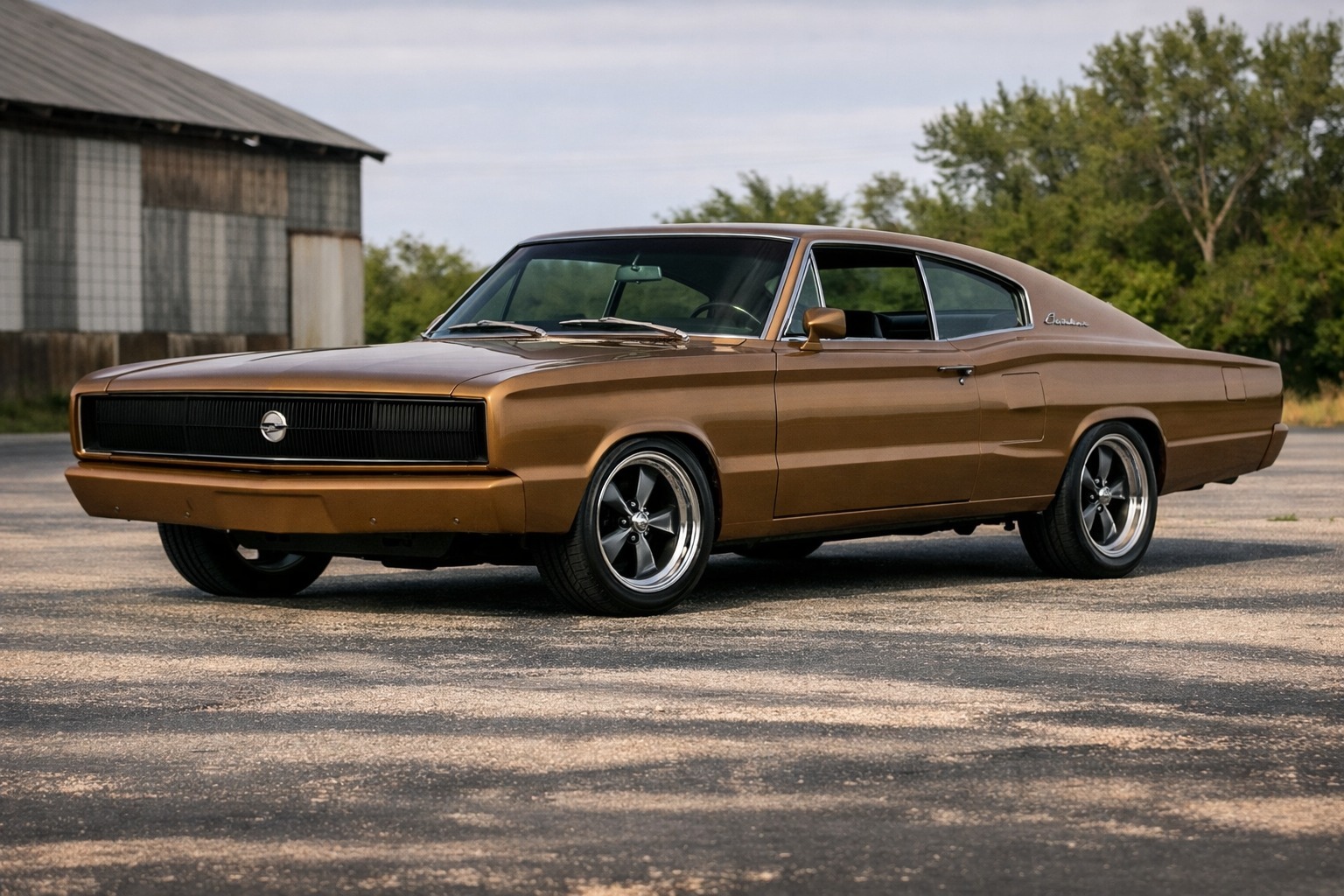
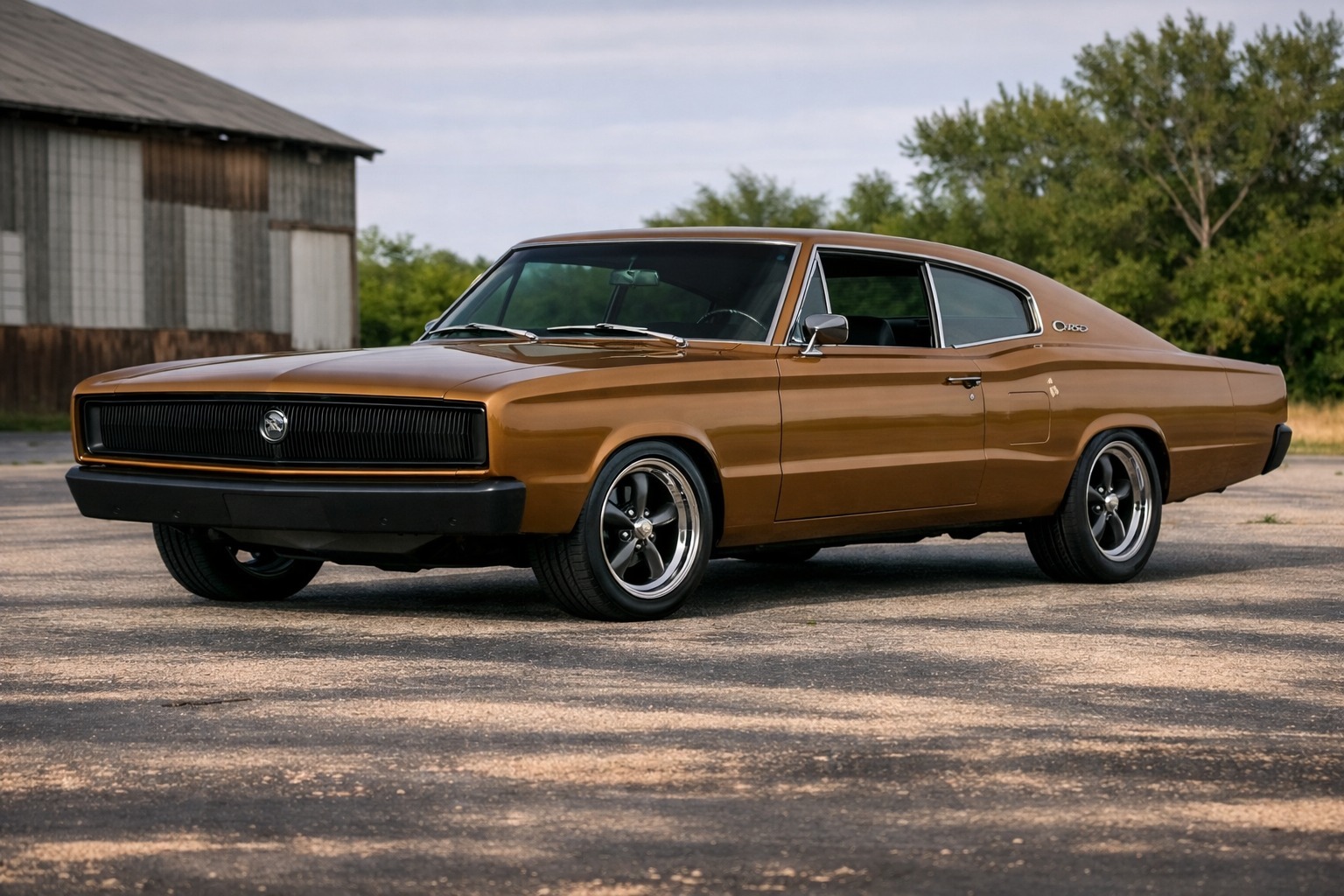
The 1966 Charger was a styling tour de force. The front end featured a full-width grille with hidden headlamps behind vacuum-operated doors — a trick borrowed from the Chrysler 300. The rear end was dominated by a full-width taillight assembly that wrapped around the quarters.
But the real statement was the roofline. The fastback slope was dramatic and unbroken, flowing from the windshield all the way to the rear spoiler-like lip. Large “C” pillars gave the car a muscular, planted look.
Inside, the Charger was just as bold. The standard interior featured four individual bucket seats — front and rear — separated by a full-length center console. The rear seats could be folded flat, and the rear hatch (a novel feature for its time) could be unlocked via a release in the glovebox, creating a versatile cargo area.
The instrument panel was fully electronic with electroluminescent lighting — a space-age touch that impressed buyers and critics alike. Four circular pods housed the gauges, and the steering wheel was a sporty three-spoke design.
Dodge in South Africa
Chrysler has a long and storied history in South Africa. The Chrysler South Africa plant in Silverton, Pretoria, assembled a range of Chrysler, Dodge, and Plymouth models from the 1960s through the 1980s.
While the 1966 Charger itself was not assembled locally — most first-generation Chargers were imported from the US — the Dodge brand was well established in South Africa. Models like the Dodge Dart, Dodge Coronet, and Dodge Pickups were assembled at the Silverton plant and were popular choices for South African buyers who wanted American style and power.
The muscle car culture that swept America in the 1960s also found a home in South Africa. Enthusiasts imported Chargers, Challengers, and other Mopar muscle cars, and they remain highly sought-after collectibles in the South African classic car scene today. The Dodge Charger has a particularly strong following among SA muscle car fans, with well-preserved examples commanding premium prices at auctions.
Legacy
The 1966 Charger was only produced for a year and a half (through mid-1967), with approximately 37,300 units built. The first-generation Charger gave way to the more aggressive second-generation model in 1968, which became an icon thanks to its starring role in the film Bullitt and later The Dukes of Hazzard.
But the 1966 model holds a special place in history as the one that started it all. It established the Charger nameplate as a symbol of American performance and style — a legacy that continues to this day with the modern Dodge Charger.
The 1966 Charger — especially the Hemi version — is now a highly collectible classic. Values have climbed steadily, with well-restored examples fetching $60,000–$100,000+ at auction. It remains one of the most distinctive and recognizable American cars of the 1960s, celebrated for its bold design, thunderous engines, and undeniable presence.
Sources:
- Wikipedia — Dodge Charger (B-body)
- Hemmings — 1966 Dodge Charger Buyer’s Guide
- Allpar — Dodge Charger History
- Classic.com — Dodge Charger Market Analysis
What’s your favorite American muscle car? Do you have a soft spot for the early Chargers, or does a later model year get your heart racing? Drop your thoughts in the comments!