Alesis HR-16 Wave File Sample Set
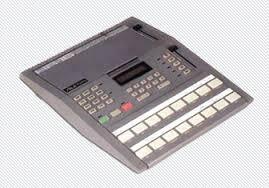
Over 100 studio quality wave file samples.
The Alesis HR-16, released in 1988, transformed the music landscape by offering professional 16-bit digital percussion at a fraction of the cost of its competitors. Designed by Keith Barr, the machine brought high-quality sampling to home studios, effectively democratizing the "studio sound" previously reserved for those who could afford a LinnDrum or Fairlight.
The unit is instantly recognizable by its distinct, wedge-shaped grey chassis, which many users affectionately liken to a 1980s sci-fi prop or a doorstop. Beyond its looks, the hardware was impressively functional for the era. It featured 16 velocity-sensitive pads, a flip-up lid with a built-in operation guide, and four individual outputs. These outputs allowed producers to route specific sounds, like the kick or snare, through external effects units for more precise mixing.
While marketed as a 16-bit machine, the HR-16 actually utilized 16-bit digital-to-analog converters to play back 8-bit samples. This technical combination resulted in a signature "crunch" and punchy transients that defined the sound of late 80s synth-pop and industrial music. The internal library consisted of 49 sounds focused on realistic acoustic drums, though its 1989 successor, the black HR-16B, pivoted toward grittier, electronic samples tailored for techno and rap.
One of the machine’s most enduring features is its "Offset" function. By allowing users to shift individual hits by 384th-note increments, it enabled a level of "swing" and human-like feel that was rare for budget sequencers. This micro-timing capability made it a secret weapon for artists looking to escape the rigid, robotic feel of standard quantizing.
The HR-16’s legacy is cemented by the diverse range of artists who adopted it. It provided the backbone for early industrial records by Godflesh, appeared on tracks by Autechre and Orbital, and famously provided the beat for The Smashing Pumpkins’ hit "1979." Today, it remains a staple in the circuit-bending community, where enthusiasts modify its internal wiring to unlock glitchy, alien textures that the original designers never intended.