Nature’s Price Tag: Why We Must Value Ecosystem Services
When we think of the economy, we often visualize stock tickers, factories, and bustling city centers. We rarely factor in the "hidden" infrastructure that makes human life possible: the bees that pollinate our crops, the wetlands that filter our water, and the forests that scrub carbon from our atmosphere. These are Ecosystem Services—the life-sustaining benefits we derive freely from nature.
For decades, these services were treated as "externalities"—infinite, free resources that didn't require a spot on a balance sheet. However, as biodiversity loss and climate change accelerate, we are realizing that "free" nature is actually quite expensive to replace. This realization has sparked the growing movement of Natural Capital Accounting.
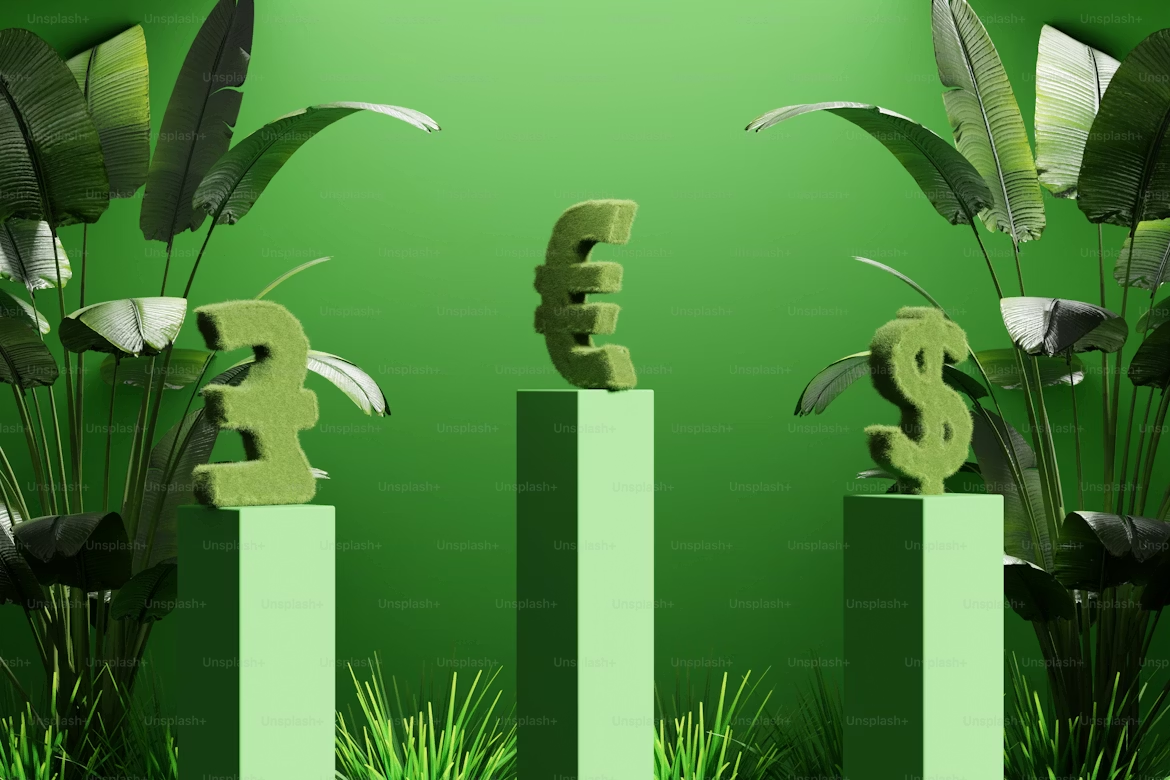
The Art and Science of Valuation
Valuing ecosystem services is not about putting a "price tag" on nature in a way that suggests it can be traded like a commodity. Rather, it is about making the invisible visible. By assigning a monetary value to a mangrove forest—based on its ability to prevent storm damage, provide habitat for fisheries, and sequester carbon—policymakers can compare the cost of conservation against the cost of destruction.
When a coastal town sees that preserving a wetland is significantly cheaper than building a multi-million-dollar concrete seawall, the argument for conservation moves from an emotional plea to a fiscal necessity.
The Path Forward
Valuation is a powerful tool, but it is not a panacea. It forces us to acknowledge that our economic prosperity is nested within—not separate from—the Earth’s systems. By integrating ecosystem services into our decision-making, we shift from an extractive mindset to one of investment.
We must protect nature not just because it is beautiful, but because it is the most critical infrastructure we have. Recognizing the value of our ecosystem services is the first step toward ensuring we don't go bankrupt by depleting our greatest asset.