Energy Tokenization on Blockchain: Architecture Use Cases and Future Trends
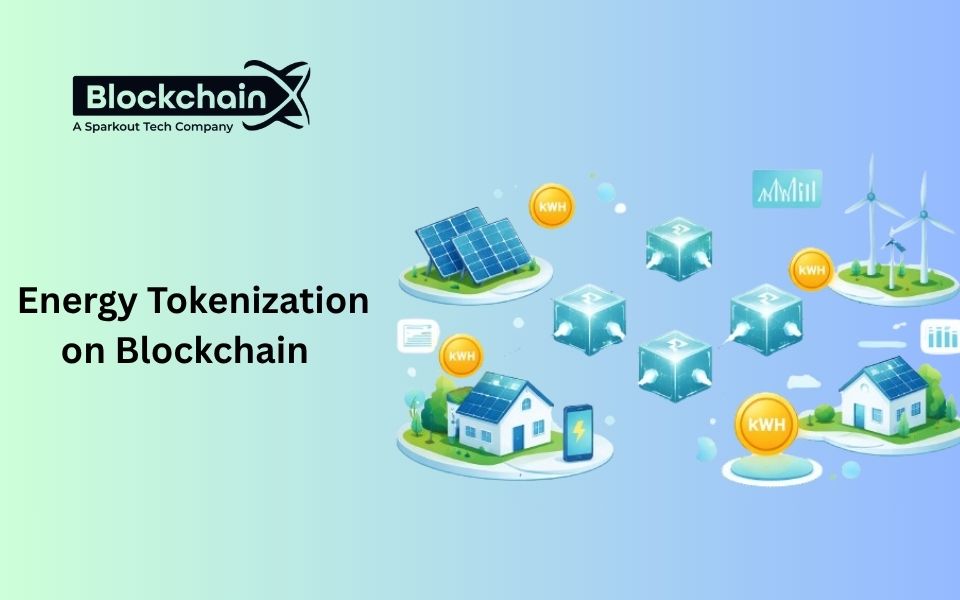
Energy Tokenization on Blockchain: Architecture Use Cases and Future Trends
Introduction
The energy sector is also facing a significant change as the conventional systems, often centralized, inefficient, and without transparency are finding it hard to meet the modern demands, and blockchain technology is becoming an effective one with the introduction of decentralization, security, and transparency; in this change, the energy tokenization is gaining traction in 2026 as the energy assets become digital and efficient and are traded effectively due to the rising renewable and decentralized finance (DeFi) and the necessity of smarter energy systems.
What is Energy Tokenization?
Energy tokenization is the method of transforming energy production, assets or consumption into digital tokens of blockchain technology, which represent ownership, usage privileges or quantifiable units such as kilowatt-hours (kWH) of energy, and which cover a wide range of tokens, including renewable energy tokens (solar and wind), carbon credit tokens to enforce environmental responsibility, and energy tokenization development which directly exchange ownership and usage control, and eliminate centralized control, sluggish settlements, and restricted accessibility.
How Blockchain Enables Energy Tokenization
- Decentralization
Blockchain eliminates the central authority and decentralizes control throughout a network, and users can easily trade energy directly without using the traditional utilities or other intermediaries. - Transparency & Immutability
Each transaction of energy is kept on a common ledger which is immutable hence giving a hundred percent transparency, traceability and trust amongst the parties involved. - Security
Sophisticated encryption methods safeguard information and transactions ensuring that the system is not subject to fraud, tampering and unauthorized use or access. - Smart Contracts
Smart contracts are computerized procedures that require billing, trading, and settlement and can be successfully executed quickly and with no mistakes, without human involvement. - Peer-to-Peer (P2P) Energy Trading
With blockchain, consumers, particularly those producing renewable energy such as rooftop solar can sell surplus power directly to other consumers, establishing efficient and decentralized energy markets. - IoT Integration
Connection to the IoT devices like smart meters also can provide real-time monitoring of the energy produced and consumed, that is, proper data input to the token generation and the smooth functioning of the system.
Architecture of Energy Tokenization Platforms
Core Components
A well-developed, energy tokenization system consists of a number of interlinked elements, such as a blockchain network, where tokens and transactions are stored safely, smart contracts, which are automated processes and rules, and token standards, which determine whether assets are fungible or non-fungible. Moreover, IoT services, like smart meters are highly essential as they gather real-time production and consumption rates of energy, and data oracles serve as a connection between off-chain energy data and on-chain systems, which guarantees real-time and reliable information.System Workflow
This system works on the basis of integrated workflow wherein the energy is initially produced, such as by using solar panels, and then it is recorded by smart meters which capture production information. This information is confirmed and sent to the blockchain through oracles and then digital tokens are generated that have the exact amount of energy. The tokens are then sold to users or investors who are able to trade them on digital marketplaces with smart contracts automatically running and executing settlements in real time.Technical Stack
The technical stack of an energy tokenization platform is a frontend layer, Web3 applications and user dashboards, a backend layer, APIs and energy data management systems, a blockchain layer, which performs token creation and transacting with token processing, and a security layer, which enforces an encrypted system, identity management and regulatory compliance throughout the entire system.
Key Use Cases of Energy Tokenization
Peer-to-Peer Energy Trading
When Energy tokenization and businesses tokenize energy, it allows them to directly sell excess energy, including extra solar energy, to local consumers, without intermediaries, and forms local and efficient energy markets.Renewable Energy Investment
Investors can now access clean energy investments more easily and reduce the traditional capital requirements through the tokenization of a small part of a renewable energy project such as a solar or wind farm.Carbon Credit Tokenization
The tokens are based on blockchain, which is a form of carbon credits, and these provide a clear account of the course, which is not counted twice, and enhances trust and efficiency in carbon offset markets.Smart Grid Optimization
With the adoption of hardware and software to provide real-time information on IoT devices and blockchain, energy tokenization aids to streamline grid operations, enhance distribution efficiency, and reduce energy wastage.Energy-as-a-Service (EaaS)
Energy tokenization promotes the flexibility in subscription-based models with users able to obtain and pay with tokens to consume energy services in a more efficient and personalized manner.
Benefits of Energy Tokenization
The tokenization of energy has proven to be of great benefit to the industry, as it leads to a high level of liquidity as energy is turned into tradeable digital assets, democratized investment opportunities by small investors, reduced costs due to the removal of intermediaries, greater transparency and trust because of blockchain records, faster real-time settlements through automation and global access because of its ability to engage with any place in the world.
Future Trends in Energy Tokenization
The energy tokenization future is developing quickly with technologies such as artificial intelligence streamlining energy consumption by utilizing predictive analytics to optimize energy use, and with decentralized networks (DePIN), communities are now able to create their own energy and trade it freely.
Concurrently, more specific rules are favoring the adoption, and the increasing attention to sustainability is making the green energy tokens in demand. Interoperable cross-border energy trading is also being facilitated by blockchain and the introduction of energy-backed stable tokens have the potential to produce more stable, asset-linked digital financial systems, making energy tokenization a major component of a decentralized and sustainable energy future.
Real-World Examples
Energy tokenization is already being deployed in the real world, with blockchain-based microgrids that allow people to buy and sell energy locally, solar energy projects with tokenized investment possibilities, and apps that digitize the carbon credit and allow trading it transparently and efficiently, which proves the practical relevance of this technology.
Conclusion
The tokenization of energy on blockchain is a radical change in the current energy production, distribution, and consumption framework, through the integration of all three aspects of increasing decentralization, transparency, and automation, to eliminate inefficiencies in the traditional system, but as it becomes increasingly popular, it could democratize access to energy and empower individuals, and speed up the process of moving towards a more sustainable and innovative global energy infrastructure.