Alternative Energy Technologies for a Sustainable Future
The climate crisis is no longer a distant headline—it’s a daily reality that demands immediate, tangible solutions. While policy and behavior changes are essential, the backbone of any sustainable future lies in the technologies that can replace fossil fuels with clean, reliable power. Below are the most promising alternative‑energy breakthroughs reshaping our energy landscape.
- Solar Power 2.0 – Beyond Photovoltaic Panels
Traditional silicon panels have powered rooftops for decades, but today’s solar tech is moving past flat, static arrays. Perovskite cells deliver higher efficiencies (over 25 %) while being lightweight and flexible enough for integration into windows, vehicle exteriors, and even clothing.
Meanwhile, solar‑plus‑storage systems pair modules with on‑site batteries, smoothing out intermittency and enabling night‑time usage without grid reliance.
- Next‑Generation Wind: Floating Turbines & Vertical‑Axis Designs
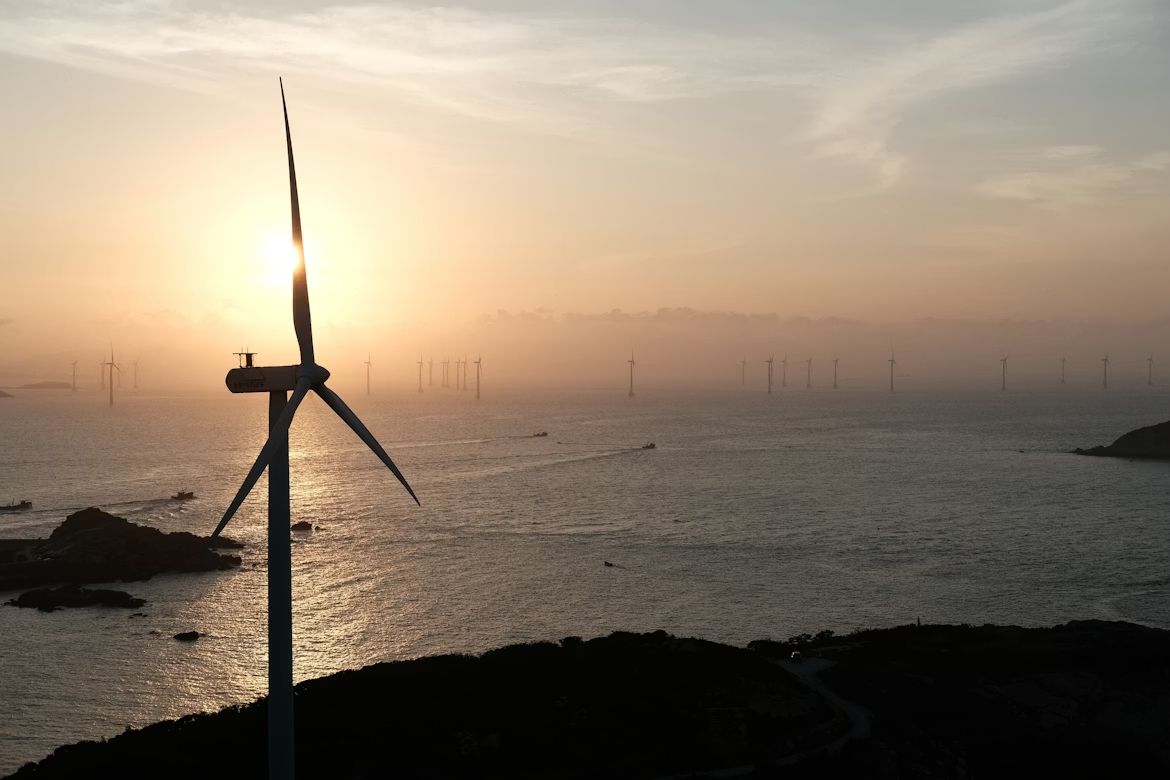
Offshore wind has already shown its capacity to generate gigawatts, but deep‑water sites remain untapped. Floating turbine platforms anchor turbines in waters too deep for fixed foundations, unlocking wind resources with consistently higher speeds.
On land, vertical‑axis turbines—silent, low‑profile, and capable of capturing wind from any direction—are ideal for urban environments where traditional three‑blade rotors would be impractical.
- Green Hydrogen – The Ultimate Energy Carrier
When electricity from renewables exceeds demand, electrolyzers can split water into hydrogen and oxygen. This green hydrogen can be stored indefinitely, then reconverted into electricity via fuel cells, blended into natural‑gas pipelines, or used as a zero‑emission fuel for heavy transport and industry.
Recent cost reductions—driven by electrolyzer scaling and cheaper renewable electricity—are bringing green hydrogen within commercial reach.
- Advanced Geothermal & Enhanced Earth‑Energy Systems
Geothermal energy has long been praised for its baseload stability, yet it’s often limited to tectonically active regions. Emerging enhanced geothermal systems (EGS) drill deep, fracture hot rock, and circulate fluid to extract heat anywhere on the planet. Coupled with compact organic‑rankine cycle generators, EGS can provide clean power in places previously thought unsuitable for geothermal.
- Ocean Energy – Tides, Waves, and Thermal Gradients
The ocean stores more energy than the atmosphere and sun combined. Innovative turbines harness tidal currents, while oscillating‑water‑column devices capture wave motion.
Additionally, ocean thermal energy conversion (OTEC) exploits temperature differences between surface and deep water to generate continuous electricity.
The Road Ahead
Transitioning to a sustainable energy future isn’t about a single technology—it’s about a diversified portfolio that plays to each resource’s strengths.
By investing in research, scaling manufacturing, and creating supportive policies, societies can turn today’s alternative‑energy prototypes into tomorrow’s everyday utilities. The momentum is undeniable; the challenge now is to accelerate adoption before the climate clock runs out.