How Much Does Heavy Equipment Rental Cost in 2026?
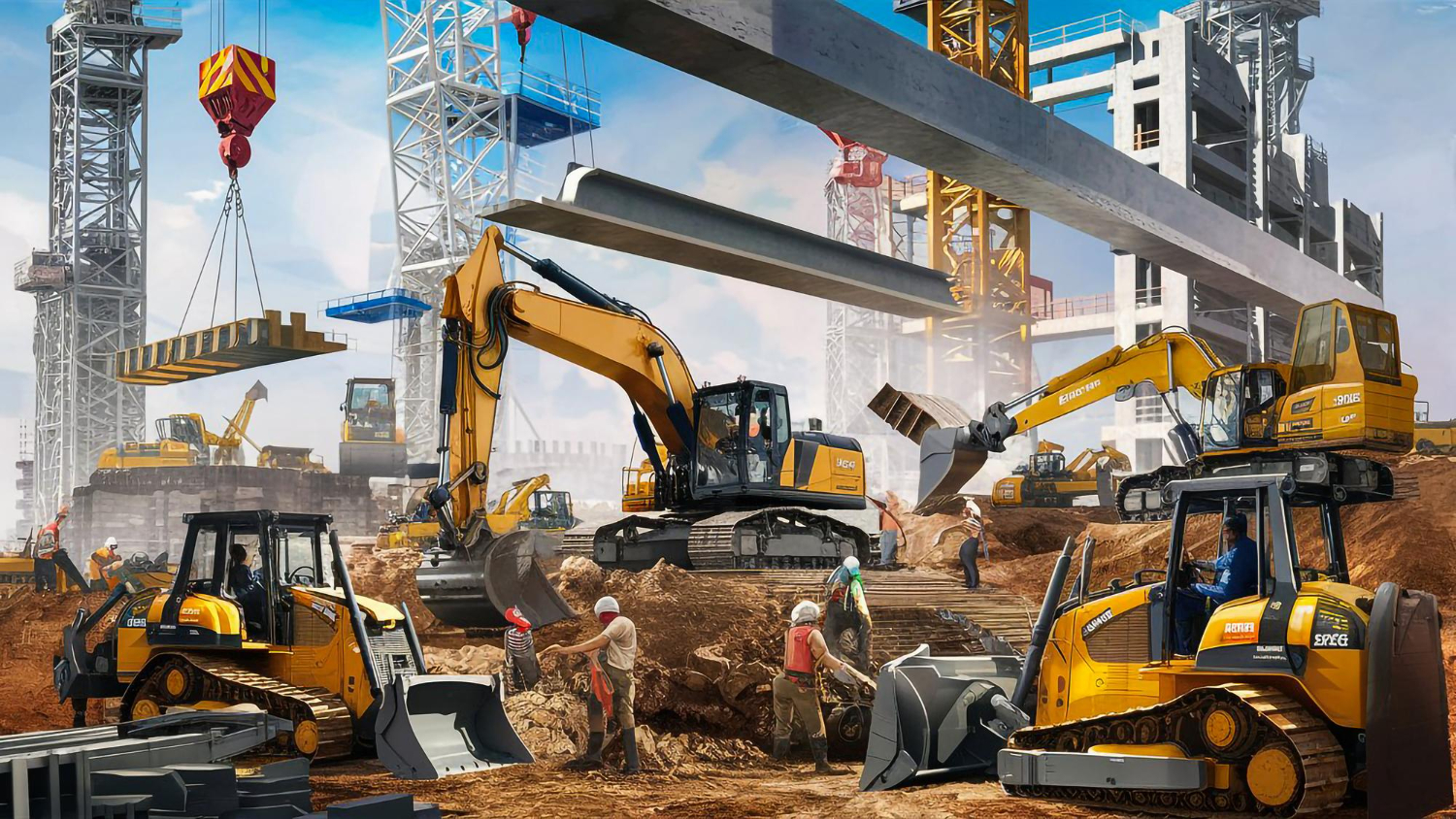
Heavy equipment rentals remain a cornerstone of modern construction, infrastructure, mining, and industrial projects in 2026 — enabling businesses to access powerful machinery without the massive upfront costs of ownership. But how much does it actually cost to rent heavy machinery this year? The answer varies widely based on machine type, rental duration, region, demand, and optional add-ons like operators or fuel. This in-depth guide breaks down 2026 rental pricing so you can budget smarter and make better decisions.
1. Why Rental Costs Vary So Much
At the most basic level, heavy equipment rental pricing depends on several key factors:
Rental Period
• Daily rentals have the highest per-day costs because fixed charges (transport, insurance, maintenance) are concentrated over few days.
• Weekly rentals lower daily prices, spreading fixed costs out.
• Monthly rentals often offer the lowest average daily rate.
Machine Type & Size
A small mini-excavator costs far less to rent than a large crawler crane — simply because the machine itself costs more to own and operate. Material-handling equipment, such as forklifts, is cheaper than earthmoving equipment, such as bulldozers.
Regional Market Differences
Rental rates in Africa, the Middle East, Europe, or Australia will differ substantially due to local supply, demand, logistics, and operating environments.
Operator & Fuel Inclusion
Some rentals are dry hire (equipment only), while others include a trained operator or fuel, which can significantly increase the total cost.
2. Typical 2026 Rental Costs by Equipment Category
Here’s a look at common rental pricing benchmarks (all approximate, and subject to local variation):
Excavators
Excavators are among the most frequently rented heavy machines.
• Mini Excavators: Approximately $400–$600 per day or $2,000–$4,000 per month.
• Standard excavators (15–45,000 lbs): Typical rates might range $500–$900 per day; weekly and monthly rates scale accordingly.
• Larger digging machines often command higher rates due to horsepower and capacity.
Tip: Mini units are ideal for landscaping, utilities, and smaller earthworks — making them more affordable and flexible.
Skid Steers & Loaders
Skid steer loaders and compact loaders are versatile for material handling:
• Skid Steer Loaders: Roughly $200–$350 per day; monthly rates around $2,000–$3,000.
• Compact Track Loaders: A bit higher, about $250–$400 per day.
These machines are widely available, keeping prices relatively competitive.
Bulldozers
These heavy earthmoving machines are robust but pricier:
• Smaller bulldozers: $400–$700 per day
• Larger models: $700–$1,200+ per day
• Weekly and monthly rates vary significantly with size and project scope.
Aerial & Lifting Equipment
Boom lifts, scissor lifts, and cranes are indispensable for vertical work:
• Boom Lifts: Typically $300–$500 per day, with higher weekly/monthly options.
• Scissor Lifts: Often $100–$250 per day depending on height and power type.
• Cranes: Costs vary enormously — small mobile cranes might be a few hundred USD per day, while larger all-terrain or heavy-lift
cranes run much higher—example rates in some markets: AED 1,500–3,500 daily for mid-size cranes.
Important: Crane rentals frequently include rigging and operator costs, and mobilization charges for transport and setup may apply.
3. Additional Cost Components to Budget For
Rental prices often don’t tell the whole story. Here’s what else you might pay:
Transport & Mobilization
Delivery and pickup to the job site can add significant cost, especially for remote locations or oversized equipment.
Operator Fees
If you need a trained professional to operate the equipment, expect extra charges—sometimes per hour or per day.
Insurance & Liability
Insurance against damage or loss is often required and can be itemized separately.
Fuel
Unless the contract includes fuel, you’re responsible for consumption — often one of the largest variable costs on site.
Overtime / Extended Hours
Most base rates are based on standard working hours; additional hours often carry premium rates.
4. Rental vs Buying: A Quick Cost Mindset
Renting offers clear financial flexibility:
• Lower upfront cost — no capital tied up in machine acquisition.
• Access to newer, efficient models — especially important as tech evolves.
• Maintenance bundled or managed by the rental company in many cases.
However, for long-term, full-time use (e.g., continuous multi-year projects), ownership may sometimes be more cost-effective — especially once depreciation and resale value are factored. Each project needs a financial comparison to decide the best route.
5. Tips to Save on Heavy Equipment Rentals in 2026
Here are practical strategies to reduce rental cost and maximize value:
Book Longer Terms
Weekly/monthly rentals often significantly reduce per-day rates compared to daily bookings.
Shop Around
Get detailed quotes from multiple rental providers and negotiate where possible.
Clarify Inclusions
Make sure you know what’s covered (fuel, insurance, operator, transport) — hidden costs can add up quickly.
Plan Around Seasonality
Demand can spike during peak construction seasons, so booking early can lock in better prices.
Conclusion
Heavy equipment rental costs in 2026 remain highly variable, shaped by machine type, size, region, demand, duration, and service inclusions. From mini excavators at a few hundred dollars per day to specialized cranes with premium rates, knowing typical ranges — and what influences them — empowers better budgeting and smarter procurement decisions.
Renting instead of buying can be a powerful financial strategy, but it still demands a thorough understanding of total project cost, hidden fees, and operational factors. The more informed your rental decisions, the more efficient and profitable your projects can be.
Sort: Trending
Loading...